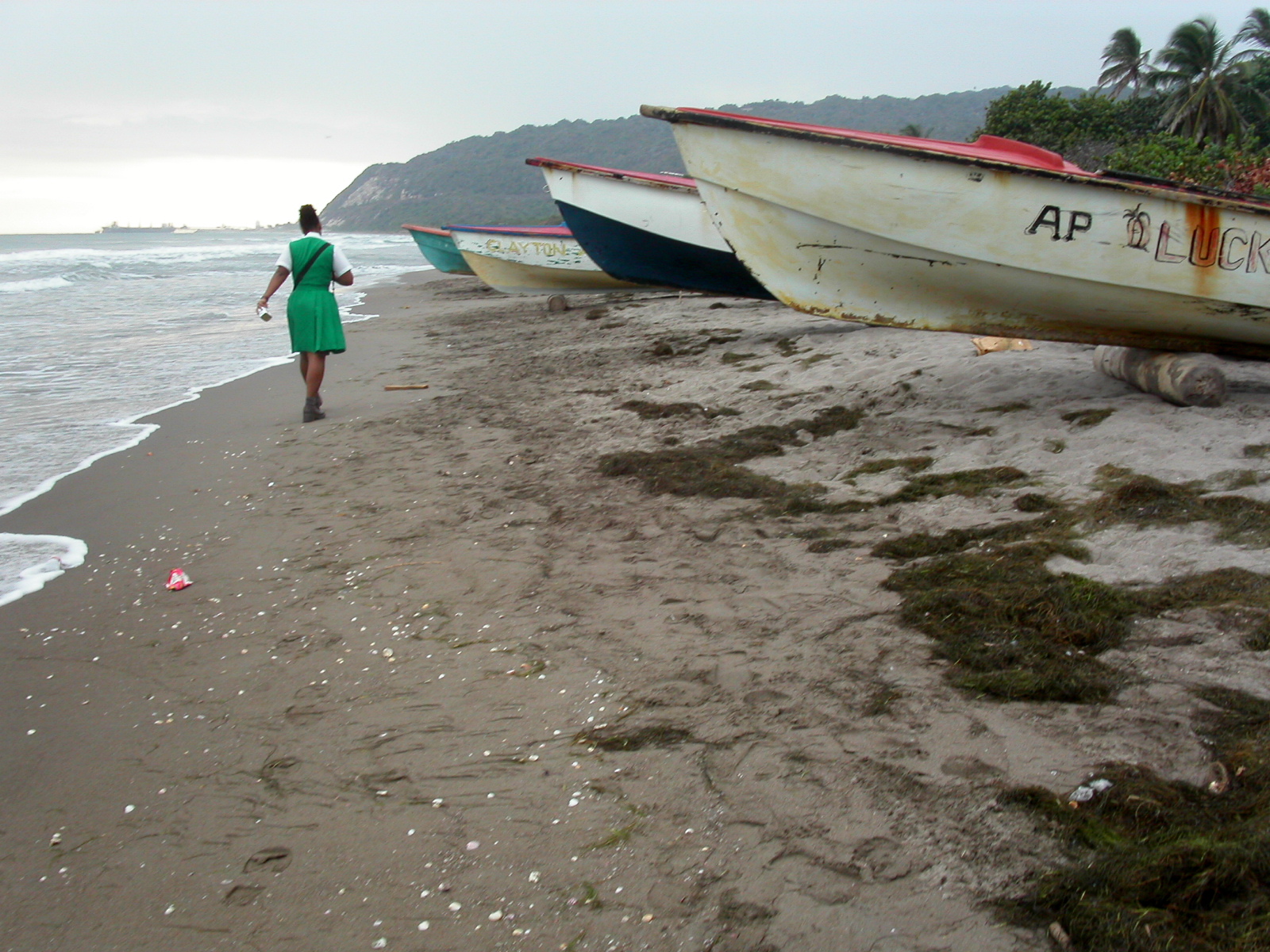
Alligator Pond, Jamaica
Data updated Sep 29, 2026
📊 Scores
Best fit: Retiree (score: 45)
Fishing dominates Alligator Pond's economy entirely—local fishermen supply Jamaica's restaurant trade with prized species, while women run wholesale fish operations that feed the island's commercial supply chain. There's no tourism industry here, no resort jobs, no call centers. If you're not fishing or trading fish, you're running a small bar, cookshop, or guesthouse serving the occasional visitor. Income is seasonal and modest; this is subsistence-level work with occasional export upside.
Rent runs $200–400/month for basic housing; electricity and water are unreliable and expensive relative to income. No public healthcare worth mentioning—serious illness means a 35km drive to Mandeville. Roads are potholed; minibuses run irregularly. English is spoken, but patois dominates. Bureaucracy is minimal because there's almost no formal economy. Internet is slow. This isn't a place you move to for convenience; it's a place you move to because you want isolation and don't mind friction.
Tropical heat year-round, occasional hurricanes, and a working beach with fishing nets instead of loungers. Food is fresh fish, curried goat, and rice—excellent and cheap. Little Ochie restaurant (built from boat hulls) draws tourists and locals alike on weekends. The expat community is nearly nonexistent; you'll be the only foreigner most weeks. Weekends mean beach swimming, fishing trips, or day trips to Mandeville. This suits only people seeking genuine remoteness, willing to live like locals, and unbothered by isolation.
🏚️ Cost of Living
💰 Budgets and Costs
Grocery Basket
Eating Out
Utilities & Lifestyle
Housing
A 1BR in the center runs about $291.61/mo. If your income is in another currency, bank FX fees add up. A multi-currency account can cut that cost.
See low-fee transfersWe may earn a commission at no cost to you.
💰 Real Spend Reports
🛡️ Safety & Crime
(Higher is safer)
(Lower is safer)
Alligator Pond is a small, quiet coastal village where serious crime is relatively uncommon, though petty theft and opportunistic break-ins occur. The main risks are property crime (securing your home is essential) and occasional gang activity in nearby larger towns—avoid displaying wealth and stay out of neighboring areas after dark. As a remote worker or retiree, you'll likely find the community peaceful and welcoming, but Jamaica's broader crime challenges mean staying alert, using common sense, and building local relationships. It's suitable for expats comfortable with modest infrastructure and willing to take standard precautions.
Alligator Pond has a safety index of 50/100. Petty theft and lost belongings are the most common problems for newcomers. Compare travel insurance before you go.
Compare travel insuranceWe may earn a commission at no cost to you.
🏥 Healthcare
🌤️ Climate
Best Months
Climate Notes
Alligator Pond has a tropical climate with warm temperatures year-round, a wet season from May to November with hurricane risk, and a drier season from December to April.
💻 Digital Nomad
Community Notes
| Name | Price/mo | Notes |
|---|---|---|
| S Hotel Jamaica | $250 | While not a dedicated coworking space, S Hotel Jamaica offers day passes and extended stay packages with reliable Wi-Fi, comfortable workspaces in the lobby and pool areas, and a relaxed atmosphere suitable for remote work. Located in nearby Montego Bay, it's a convenient option for those seeking a change of scenery and resort amenities. |
| Impact Hub Kingston | $180 | Located in Kingston, about a 2.5-hour drive from Alligator Pond, Impact Hub Kingston provides a collaborative environment with various membership options. It offers reliable internet, meeting rooms, and a community-focused atmosphere, making it a good option for those willing to travel for a dedicated coworking experience. |
Working remotely from Alligator Pond? Nomad health insurance covers you across borders, month to month.
See nomad insuranceWe may earn a commission at no cost to you.
🧳 Expat Life
Expat Life Notes
Alligator Pond is a small fishing village on the south coast of Jamaica in Manchester Parish. It is known for its local seafood restaurants and quiet beach. Very few expats live here permanently outside seasonal visitors.
Pros
- ✓ English-speaking
- ✓ Beautiful and quiet south coast beach
- ✓ Authentic fishing village atmosphere
- ✓ Low cost of living
- ✓ Fresh local seafood
Cons
- ✗ Very limited infrastructure
- ✗ Few expat amenities
- ✗ Basic healthcare only
- ✗ Safety awareness required
- ✗ Remote from Kingston
Could living/working in Alligator Pond cut years off your work life?
With a 1-bedroom in the center at $117/mo, your FIRE number here might be much lower than you think.
Estimate the cost of moving to Alligator Pond, Jamaica
Get a free moving cost estimate for moving to Alligator Pond, Jamaica. Takes 10 seconds.
How much are you shipping?
When are you moving?
Powered by Sirelo. Free quotes from verified international movers.
Share This Guide
Alligator Pond won't stay this cheap forever.
Cost-of-living and visa updates for Alligator Pond and the rest of Jamaica. Free with RA Postcards.
By submitting your email address, you will receive a free subscription to RA Postcards and special offers from Rewire Abroad and our affiliates. You can unsubscribe at any time, and we encourage you to read more about our Privacy Policy.