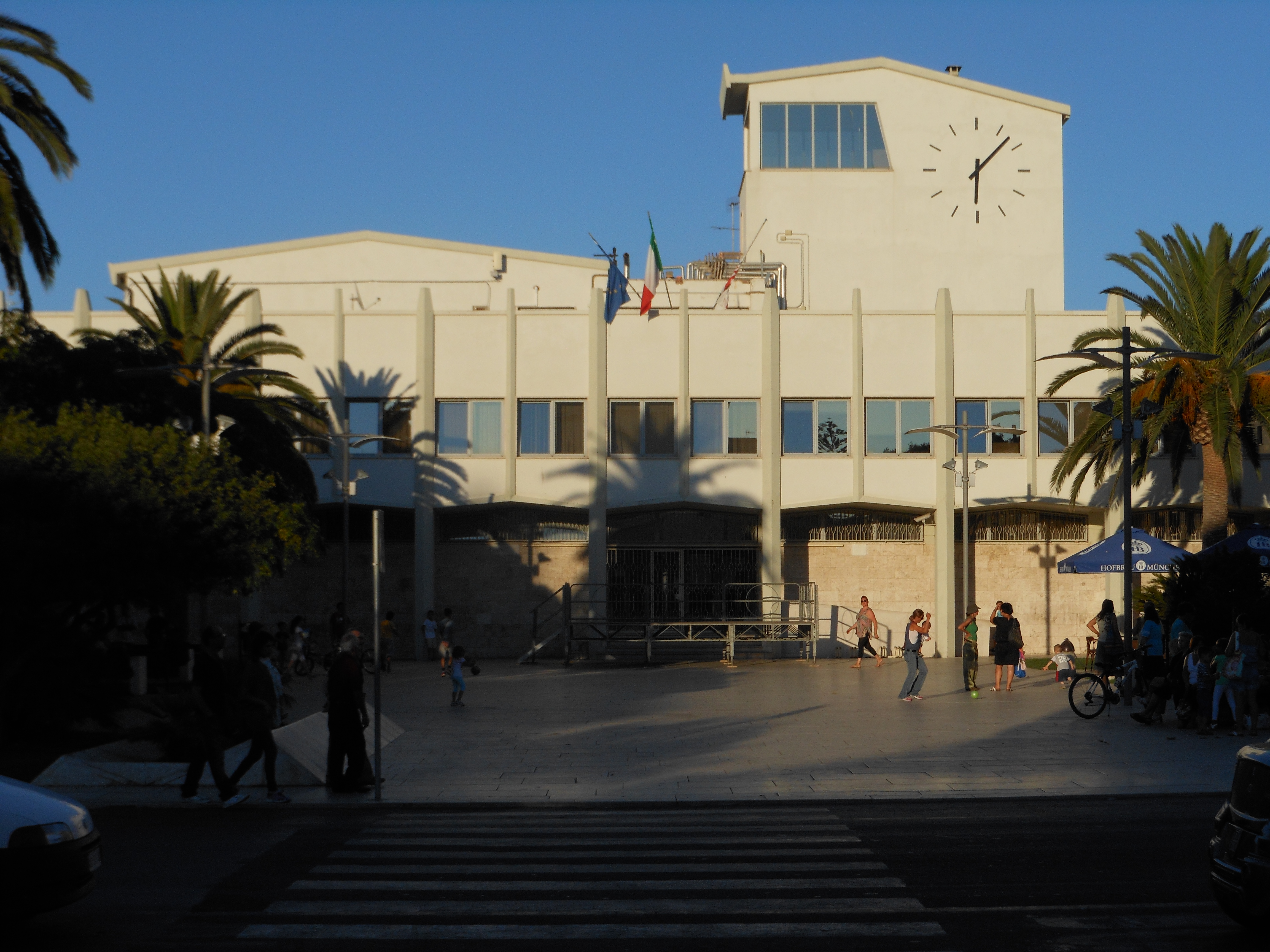
Porto Torres sits on the northern coast of Sardinia, Italy, at an elevation of 75 meters above sea level, with a Mediterranean climate of hot, dry summers and mild, wet winters, though local industrial activities, particularly petrochemical industries, can moderate air quality. The town itself is compact, with a population of 21 thousand, and expats tend to cluster in the Centro Storico and Porto Torres Marina neighborhoods, where daily life unfolds around the harbor and the old town's narrow lanes. English is common in tourist areas, which helps newcomers get their bearings, but the small expat community means you will quickly become a familiar face rather than one of many.
Living here is notably affordable compared to major U.S. cities, with a cost of living index of 53 out of 100 relative to New York City. A one-bedroom apartment in the city center rents for $550/mo, while outside the center it drops to $420/mo; a three-bedroom in the center runs $1,000/mo, and outside the center it is $750/mo. Utilities run $224/mo, internet is $28/mo, and a mobile phone plan costs $22/mo. For a single adult, the budget tier total including rent is $871/mo, the mid-range tier is $1,229/mo, and the comfortable tier is $1,516/mo. Excluding rent, a single person spends about $780/mo, while a family of four spends $2,450/mo. A meal at an inexpensive restaurant costs $14, a three-course meal for two at a mid-range restaurant is $44, and a cappuccino is $2. A monthly public transport pass is $22/mo, and a gym membership is $56/mo.
Safety is a strong point here, with a safety index of 75 out of 100 and a crime index of 25 out of 100, meaning lower crime levels. The air quality index is 35, which is considered good, though the petrochemical influence is something to keep in mind. Healthcare quality is rated as good, and the town is served by a healthcare system that meets the needs of residents and visitors alike. For those considering a longer stay, the overall expat score is 73 out of 100, with a FIRE score of 75, a retiree score of 62, and a digital nomad score of 72, reflecting a balanced appeal for different lifestyles.
For visas, Italy offers the Elective Residence Visa, which requires a minimum monthly income of $2,895/mo, and the Digital Nomad Visa, which requires $2,615/mo. The nearest airport is AHO, just 12 km away, making regional and international travel straightforward. This is a place for those who want a slower, more affordable Mediterranean life, with a strong sense of community and easy access to the sea. It suits retirees on a fixed income, remote workers who meet the digital nomad threshold, and anyone drawn to Sardinia's northern coast without the crowds of larger cities.