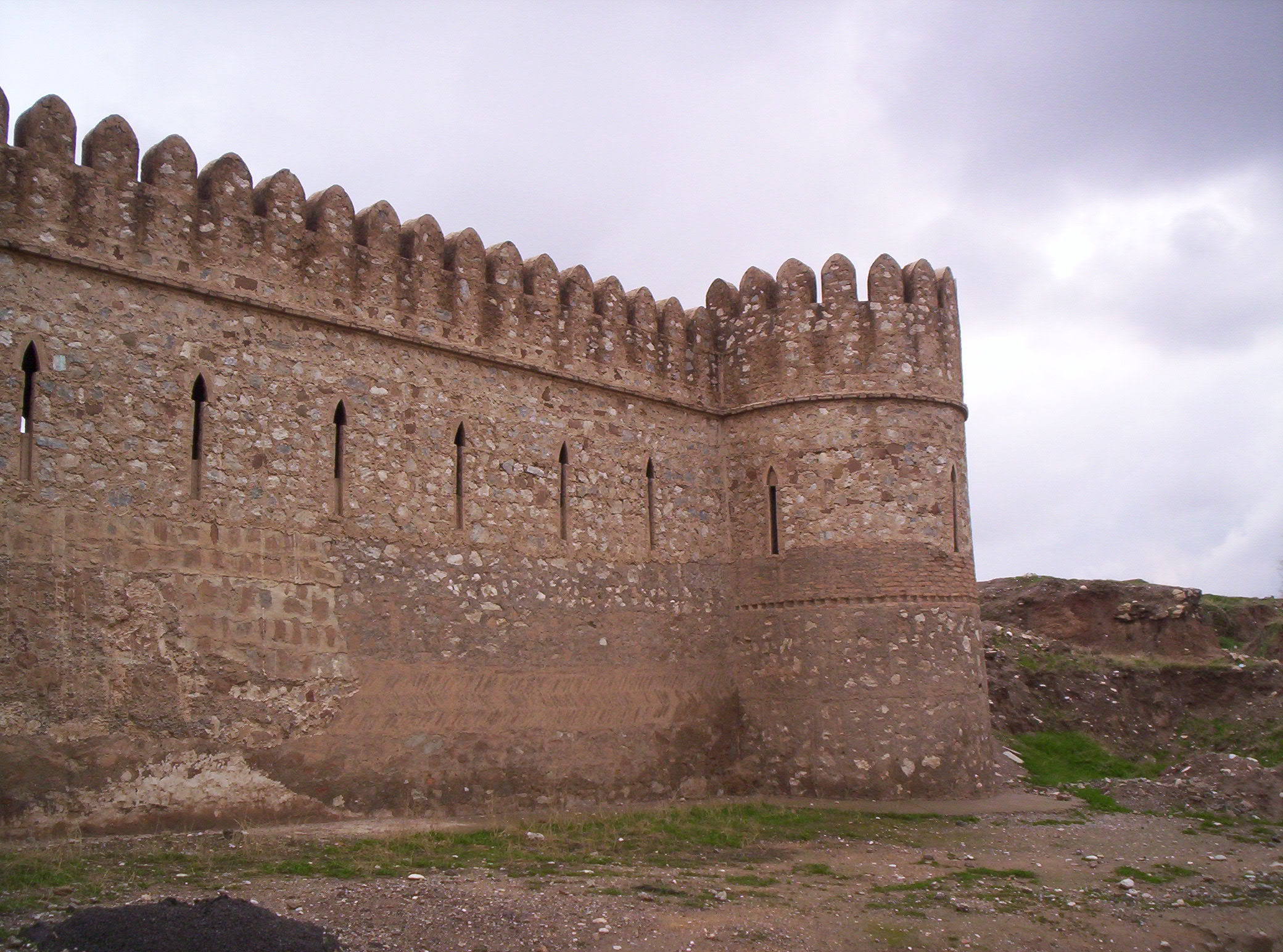
Kirkuk, Iraq
Data updated Sep 3, 2026
📊 Scores
Oil dominates everything here. The Kirkuk oil field is one of the oldest and largest in the Middle East, and the petroleum sector — extraction, logistics, government contracts — is the primary employer for anyone earning a serious wage. The Iraqi federal government and the Kurdistan Regional Government have fought over control of this revenue for decades, which means investment is chronically frozen and private sector development is thin. Agriculture and trade fill gaps, but the economy is fundamentally a resource extraction story with deeply unstable governance layered on top.
A one-bedroom in the city center runs around $350/month, which sounds low until you factor in what you're not getting: reliable electricity, consistent water supply, and functional public services are all genuinely unreliable. Healthcare is limited — serious medical issues require travel to Erbil or Baghdad. Arabic and Kurdish are both in daily use; English gets you almost nowhere. Bureaucracy is not just slow, it's structurally uncertain because disputed-territory status means it's often unclear which government authority actually administers what. Expect friction on everything administrative.
Summers are brutal — 40°C-plus for months, and the infrastructure to cope with it is inconsistent. Winters are mild and manageable. Food is inexpensive and the multi-ethnic mix of Kurdish, Arab, and Turkmen cuisine is genuinely good. But the social scene for outsiders is extremely limited, there is no meaningful expat community, and weekend options are restricted by both security realities and conservative social norms. The safety index sits at 40, reflecting real and ongoing risk. This city suits only oil industry contractors or humanitarian workers with organizational security support — not independent expats or remote workers.
🏚️ Cost of Living
💰 Budgets and Costs
Grocery Basket
Eating Out
Utilities & Lifestyle
Housing
A 1BR in the center runs about $190.81/mo. If your income is in another currency, bank FX fees add up. A multi-currency account can cut that cost.
See low-fee transfersWe may earn a commission at no cost to you.
💰 Real Spend Reports
🛡️ Safety & Crime
(Higher is safer)
(Lower is safer)
Kirkuk presents significant safety challenges for expats and is not recommended for most American relocators. Beyond standard urban crime (theft, robbery), the city faces ongoing sectarian tensions, sporadic militant activity, and unstable governance between Kurdish and Arab-controlled areas. Kidnapping, armed conflict, and checkpoints remain real concerns. Infrastructure is unreliable, medical facilities limited, and expat communities minimal. Only consider if you have security training, employer protection, and compelling professional reasons—otherwise, choose a more stable Iraqi city or region.
Kirkuk has a safety index of 40/100. Petty theft and lost belongings are the most common problems for newcomers. Compare travel insurance before you go.
Compare travel insuranceWe may earn a commission at no cost to you.
🏥 Healthcare
🌤️ Climate
Best Months
Climate Notes
Hot semi-arid climate with extreme summer heat and cool winters.
💻 Digital Nomad
Community Notes
| Name | Price/mo | Notes |
|---|---|---|
| Regus Kirkuk | $150 | Regus offers a reliable, professional environment in Kirkuk. It provides standard amenities like high-speed internet, meeting rooms, and administrative support, making it a suitable option for expats seeking a familiar and functional workspace. |
| Work Hub Kirkuk | $100 | Work Hub Kirkuk is a locally-owned coworking space that fosters a collaborative community. Located centrally, it offers a more affordable option with essential amenities and a chance to connect with local professionals and entrepreneurs. |
Working remotely from Kirkuk? Nomad health insurance covers you across borders, month to month.
See nomad insuranceWe may earn a commission at no cost to you.
🧳 Expat Life
Expat Life Notes
Kirkuk is an oil-rich but politically volatile city; relocation is strictly for industry consultants or security staff.
Pros
- ✓ Oil sector salaries
- ✓ Multicultural heritage
Cons
- ✗ Severe safety risk
- ✗ Infrastructure collapse
- ✗ Limited movement for foreigners
Could living/working in Kirkuk cut years off your work life?
With a 1-bedroom in the center at $191/mo, your FIRE number here might be much lower than you think.
Moving to Kirkuk? Estimate what an international move would cost and compare mover quotes.
Estimate my move costShare This Guide
Kirkuk won't stay this cheap forever.
Cost-of-living and visa updates for Kirkuk and the rest of Iraq. Free with RA Postcards.
By submitting your email address, you will receive a free subscription to RA Postcards and special offers from Rewire Abroad and our affiliates. You can unsubscribe at any time, and we encourage you to read more about our Privacy Policy.