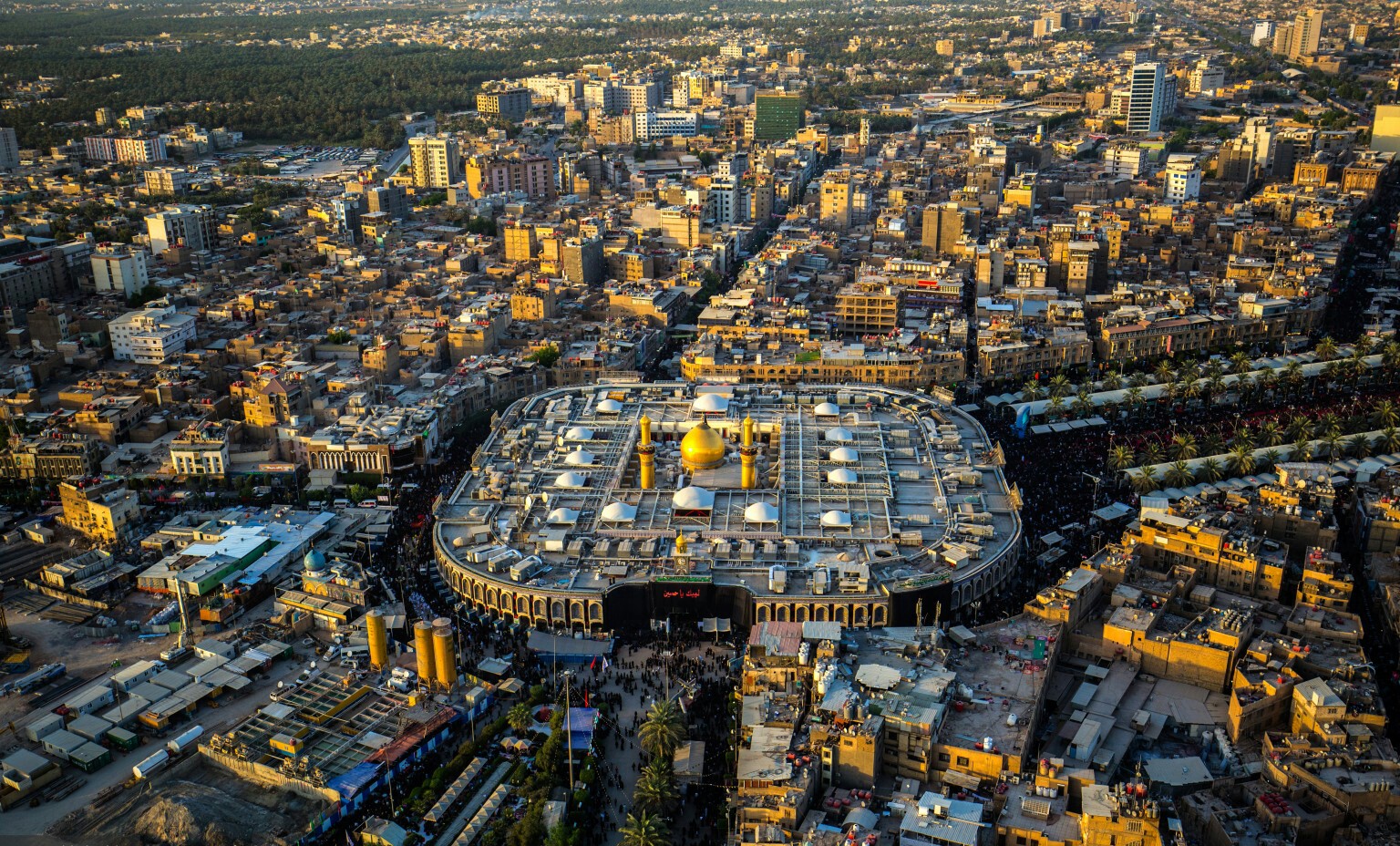
Karbala, Iraq
Data updated Sep 3, 2026
📊 Scores
Religious tourism is the engine here — full stop. An estimated 20–40 million Shi'a pilgrims visit annually, and nearly every business in the city exists to serve them: hotels, restaurants, transportation, retail, and construction. The shrines of Hussain and Abbas generate the economic gravity that everything else orbits. Local employment concentrates in hospitality, services, and the informal economy around pilgrimage seasons. There is no meaningful tech sector, no foreign investment corridor, and remote workers will find zero infrastructure built with them in mind.
A one-bedroom in the city center runs around $350/month, which sounds reasonable until you factor in the context. Arabic is the only working language — English gets you essentially nowhere outside a handful of hotel lobbies. Healthcare is limited; serious medical issues mean a trip to Baghdad. Bureaucracy for foreign residents is genuinely difficult, with Iraq's visa and residency system offering almost no clear legal pathway for long-term expat stays. Internet is functional but inconsistent. Summer temperatures regularly exceed 45°C, making outdoor life from June through August close to impossible.
Winters are mild and genuinely pleasant, roughly 10–18°C, and that's when the city is most livable — and most crowded with pilgrims. Food is cheap and good if you eat Iraqi staples: grilled meats, flatbread, rice dishes. There is no bar scene; alcohol is effectively absent. The expat community is essentially nonexistent in any conventional sense — you will not find a digital nomad café or a Facebook group for foreign residents. Weekends revolve around religious observance and family life. This city suits devout Shi'a Muslims relocating to be near the shrines, and almost no one else.
🏚️ Cost of Living
💰 Budgets and Costs
Grocery Basket
Eating Out
Utilities & Lifestyle
Housing
A 1BR in the center runs about $152.64/mo. If your income is in another currency, bank FX fees add up. A multi-currency account can cut that cost.
See low-fee transfersWe may earn a commission at no cost to you.
💰 Real Spend Reports
🛡️ Safety & Crime
(Higher is safer)
(Lower is safer)
Karbala presents significant safety challenges for Western expats. While a major Shia pilgrimage site with some infrastructure, the city experiences sporadic violence, including armed group activity and occasional sectarian tensions. Petty theft and scams targeting foreigners occur regularly. Avoid displaying wealth, traveling alone after dark, and large public gatherings. The broader Iraq security context—including militia presence and periodic unrest—means expats should maintain low profiles and have evacuation plans. This is not recommended for most American remote workers or retirees seeking stability.
Karbala has a safety index of 40/100. Petty theft and lost belongings are the most common problems for newcomers. Compare travel insurance before you go.
Compare travel insuranceWe may earn a commission at no cost to you.
🏥 Healthcare
🌤️ Climate
Best Months
Climate Notes
Hot desert climate with extreme summer temperatures.
💻 Digital Nomad
Community Notes
| Name | Price/mo | Notes |
|---|---|---|
| Regus - Karbala | $150 | Located in a central business district, Regus offers a reliable and professional environment with standard amenities like high-speed internet, meeting rooms, and administrative support. It's a good option for expats seeking a familiar and structured workspace. |
| Al Safwa Hotel - Business Center | $100 | While primarily a hotel, Al Safwa offers business center services that can function as a coworking space. Located near the holy shrines, it provides a convenient and potentially quieter environment with access to hotel amenities. |
Working remotely from Karbala? Nomad health insurance covers you across borders, month to month.
See nomad insuranceWe may earn a commission at no cost to you.
🧳 Expat Life
Expat Life Notes
A holy city for Shia pilgrims; virtually no permanent expat community outside of religious workers.
Pros
- ✓ Deeply religious atmosphere
Cons
- ✗ Extreme security restrictions
- ✗ No western amenities
- ✗ High crowd density
Could living/working in Karbala cut years off your work life?
With a 1-bedroom in the center at $153/mo, your FIRE number here might be much lower than you think.
Moving to Karbala? Estimate what an international move would cost and compare mover quotes.
Estimate my move costShare This Guide
Karbala won't stay this cheap forever.
Cost-of-living and visa updates for Karbala and the rest of Iraq. Free with RA Postcards.
By submitting your email address, you will receive a free subscription to RA Postcards and special offers from Rewire Abroad and our affiliates. You can unsubscribe at any time, and we encourage you to read more about our Privacy Policy.