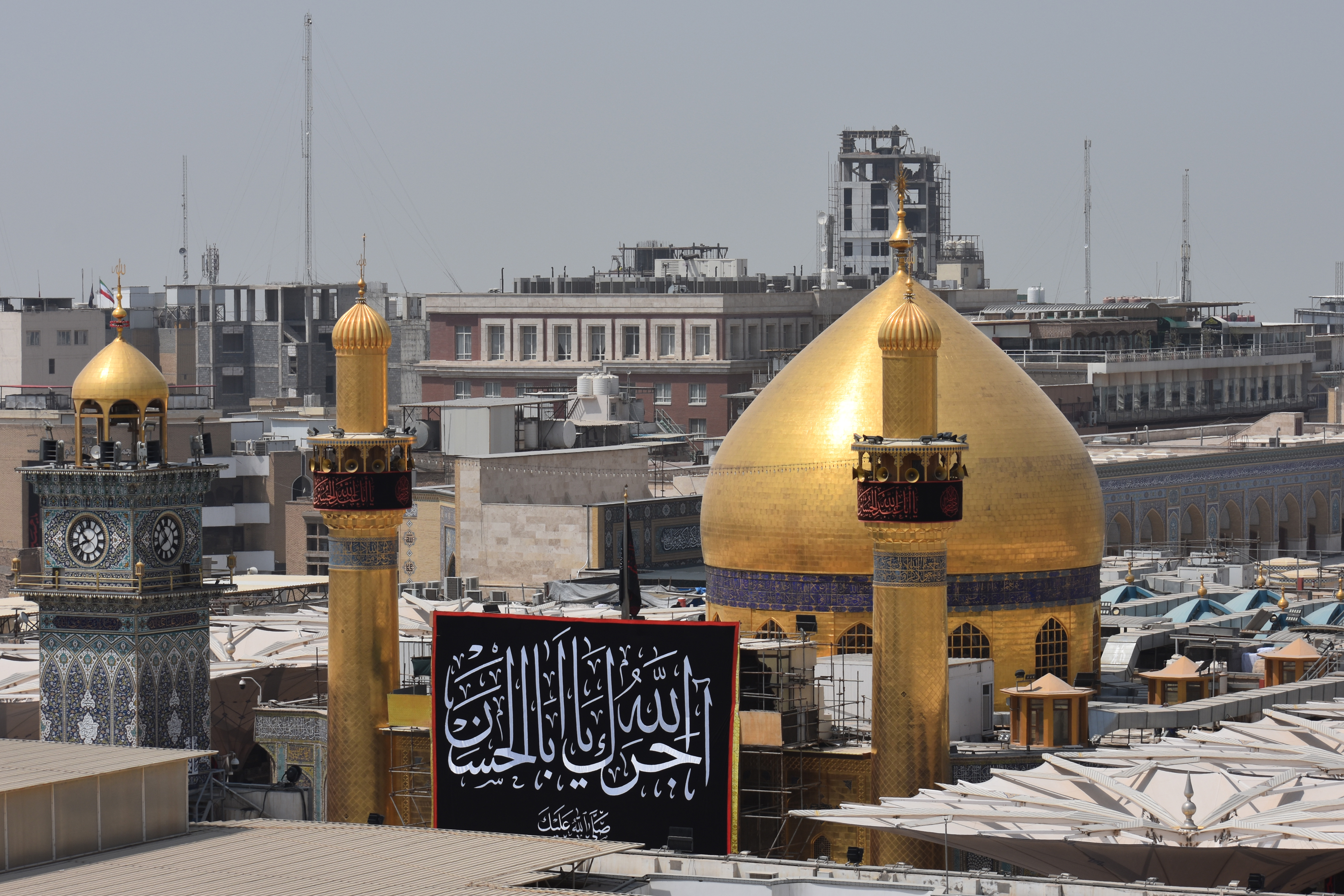
An Najaf, Iraq
Data updated Sep 3, 2026
📊 Scores
Pilgrimage is the engine here — full stop. Millions of Shia Muslims visit the Shrine of Ali annually, and that foot traffic sustains hotels, restaurants, transport operators, and burial services around Wadi-us-Salaam, the world's largest cemetery. The Hawza of Najaf, a centuries-old Shia seminary, draws religious scholars and students from Iran, Lebanon, Pakistan, and beyond, making theological education a genuine economic sector. Outside of religion-adjacent industries, formal employment options are thin, and the broader Iraqi economy's oil dependency means little diversification reaches Najaf.
A one-bedroom in the city center runs around $300/month, which sounds attractive until you account for what that buys in terms of infrastructure reliability — power cuts, water supply issues, and internet inconsistency are real daily friction. Najaf International Airport has improved and connects to regional hubs, but ground transport within the city is informal and chaotic during pilgrimage surges. Healthcare is limited; serious medical needs mean traveling to Baghdad or abroad. Arabic is essential — English gets you almost nowhere outside of a handful of hotels catering to international pilgrims. Bureaucracy for foreign residents is genuinely opaque.
Summers are brutal and non-negotiable: 50°C-plus temperatures from June through August effectively shut down outdoor life for months. Winters are mild and genuinely pleasant, roughly 10–20°C. Food is cheap and good — kebabs, masgouf fish, and rice dishes dominate. Social life is structured almost entirely around religious observance; Ashura transforms the city completely. There is no conventional expat social scene — no bars, no nightlife, no digital nomad cafes. The small foreign presence is almost entirely religious scholars and pilgrims. This city suits Shia Muslim scholars, researchers studying Islamic jurisprudence, or journalists covering Iraq — essentially no one else.
🏚️ Cost of Living
💰 Budgets and Costs
Grocery Basket
Eating Out
Utilities & Lifestyle
Housing
A 1BR in the center runs about $257.45/mo. If your income is in another currency, bank FX fees add up. A multi-currency account can cut that cost.
See low-fee transfersWe may earn a commission at no cost to you.
💰 Real Spend Reports
🛡️ Safety & Crime
(Higher is safer)
(Lower is safer)
An Najaf presents significant safety challenges for Western expats despite its religious and cultural importance. While violent crime against foreigners is not endemic, the city experiences petty theft, occasional armed conflict spillover, and unstable security conditions tied to Iraq's broader geopolitical tensions. Expats should avoid displaying wealth, stay away from demonstrations, and exercise extreme caution in unfamiliar neighborhoods. The lack of reliable emergency services and limited expat community support infrastructure make this unsuitable for most American retirees or remote workers seeking stability and comfort abroad.
An Najaf has a safety index of 55/100. Petty theft and lost belongings are the most common problems for newcomers. Compare travel insurance before you go.
Compare travel insuranceWe may earn a commission at no cost to you.
🏥 Healthcare
🌤️ Climate
Best Months
Climate Notes
Hot desert climate with extreme summer heat and low humidity.
💻 Digital Nomad
Community Notes
| Name | Price/mo | Notes |
|---|---|---|
| Regus Najaf - Al Rawda Street | $150 | A reliable option in a central location on Al Rawda Street, offering private offices and coworking spaces. Regus provides standard amenities like high-speed internet, meeting rooms, and administrative support, making it suitable for expats seeking a professional environment. |
| Al Jawahir Business Center | $100 | Located near the city center, Al Jawahir Business Center offers a range of services including coworking spaces. It provides a more locally-oriented atmosphere with essential amenities, suitable for those looking to integrate with the local business community. |
Working remotely from An Najaf? Nomad health insurance covers you across borders, month to month.
See nomad insuranceWe may earn a commission at no cost to you.
🧳 Expat Life
Expat Life Notes
A major Shia pilgrimage site with virtually no permanent foreign community outside of religious workers.
Pros
- ✓ Spiritual depth
Cons
- ✗ Severe security restrictions
- ✗ Lack of international infrastructure
- ✗ Extreme summer heat
Could living/working in An Najaf cut years off your work life?
With a 1-bedroom in the center at $257/mo, your FIRE number here might be much lower than you think.
Moving to An Najaf? Estimate what an international move would cost and compare mover quotes.
Estimate my move costShare This Guide
An Najaf won't stay this cheap forever.
Cost-of-living and visa updates for An Najaf and the rest of Iraq. Free with RA Postcards.
By submitting your email address, you will receive a free subscription to RA Postcards and special offers from Rewire Abroad and our affiliates. You can unsubscribe at any time, and we encourage you to read more about our Privacy Policy.