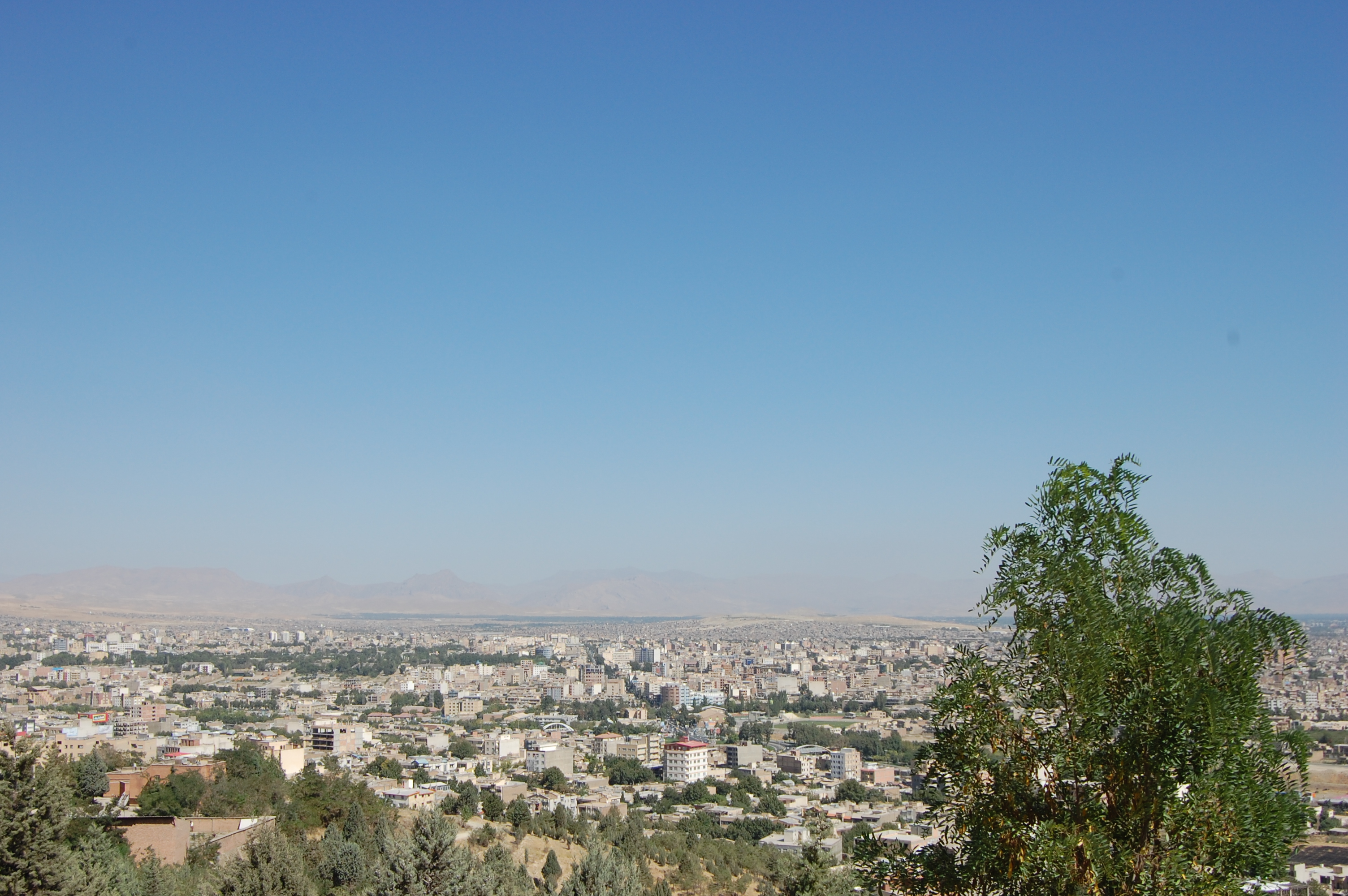
Urmia, Iran
Data updated Sep 3, 2026
📊 Scores
Best fit: FIRE / Geoarbitrage (score: 54)
Agriculture and trade dominate here — apples, grapes, and tobacco from the surrounding plain have historically made Urmia one of northwestern Iran's wealthiest cities. Food processing plants, textile factories, and light manufacturing employ a significant portion of the workforce, while the city's position near the Turkish and Iraqi borders keeps cross-border commerce active. The economic picture has darkened considerably since Lake Urmia began shrinking in the 1990s, cutting into agricultural water supply and suppressing regional investment. Sanctions compound everything: formal employment is constrained, and much economic activity runs through informal channels.
A one-bedroom in the city center runs around $250/month, which sounds attractive until you factor in the structural friction of daily life. Banking is effectively cut off from international systems due to sanctions — transferring money in or out requires creative workarounds, and foreign cards don't work. Healthcare exists, with hospitals and clinics present, but accessing quality care for complex conditions means traveling to Tabriz or Tehran. Persian is the administrative language; Azerbaijani Turkish is widely spoken on the street. Neither helps most Western expats, and English proficiency is low. Bureaucracy for foreigners is genuinely difficult.
Winters are cold and snowy at 1,330 meters elevation; summers are mild and dry — the climate itself is one of the city's genuine assets. The food is good, leaning heavily on Kurdish and Azerbaijani traditions with excellent lamb, flatbreads, and fresh produce. The expat community is essentially nonexistent in any organized sense; the historically diverse Christian and Jewish populations have largely emigrated over the past century. Weekends mean bazaars, mountain day trips, and family-centered socializing. This city suits almost no one relocating from abroad — the rare exception being researchers, journalists, or those with deep family or cultural ties to the region.
🏚️ Cost of Living
💰 Budgets and Costs
Grocery Basket
Eating Out
Utilities & Lifestyle
Housing
A 1BR in the center runs about $173.33/mo. If your income is in another currency, bank FX fees add up. A multi-currency account can cut that cost.
See low-fee transfersWe may earn a commission at no cost to you.
💰 Real Spend Reports
🛡️ Safety & Crime
(Higher is safer)
(Lower is safer)
Urmia presents moderate safety concerns for expats. While violent crime rates are relatively low, petty theft, pickpocketing, and scams targeting foreigners occur regularly in crowded bazaars and public transport. The city's proximity to the Turkey-Iraq border and occasional regional tensions warrant awareness, though they rarely affect daily life. Avoid displaying wealth, use registered taxis, and stay informed on local developments. The main challenge is navigating bureaucratic complexity and limited expat infrastructure rather than acute danger. Realistic expats can live safely here with standard precautions, but it's not ideal for those seeking a hassle-free relocation.
Urmia has a safety index of 50/100. Petty theft and lost belongings are the most common problems for newcomers. Compare travel insurance before you go.
Compare travel insuranceWe may earn a commission at no cost to you.
🏥 Healthcare
🌤️ Climate
Best Months
Climate Notes
Cold semi-arid climate with hot summers and cold, snowy winters.
💻 Digital Nomad
Community Notes
| Name | Price/mo | Notes |
|---|---|---|
| Urmia Innovation Center | $50 | Likely the most modern option in Urmia, this innovation center probably offers coworking spaces. Located near the city center, it provides a professional environment suitable for focused work. |
| Coworking Space - Urmia (Likely Independent) | $40 | While specific names and websites are difficult to verify, Google Maps indicates the presence of smaller, independent coworking spaces. These are likely located in central Urmia and offer a more budget-friendly option. |
Working remotely from Urmia? Nomad health insurance covers you across borders, month to month.
See nomad insuranceWe may earn a commission at no cost to you.
🧳 Expat Life
Expat Life Notes
Near the salt lake, Urmia has a multicultural Azeri/Kurdish influence but few western expats.
Pros
- ✓ Diverse cultural mix
- ✓ Beautiful lake scenery (though shrinking)
- ✓ Low costs
Cons
- ✗ Isolated location
- ✗ Limited English services
- ✗ Modest infrastructure
Could living/working in Urmia cut years off your work life?
With a 1-bedroom in the center at $173/mo, your FIRE number here might be much lower than you think.
Moving to Urmia? Estimate what an international move would cost and compare mover quotes.
Estimate my move costShare This Guide
Urmia won't stay this cheap forever.
Cost-of-living and visa updates for Urmia and the rest of Iran. Free with RA Postcards.
By submitting your email address, you will receive a free subscription to RA Postcards and special offers from Rewire Abroad and our affiliates. You can unsubscribe at any time, and we encourage you to read more about our Privacy Policy.