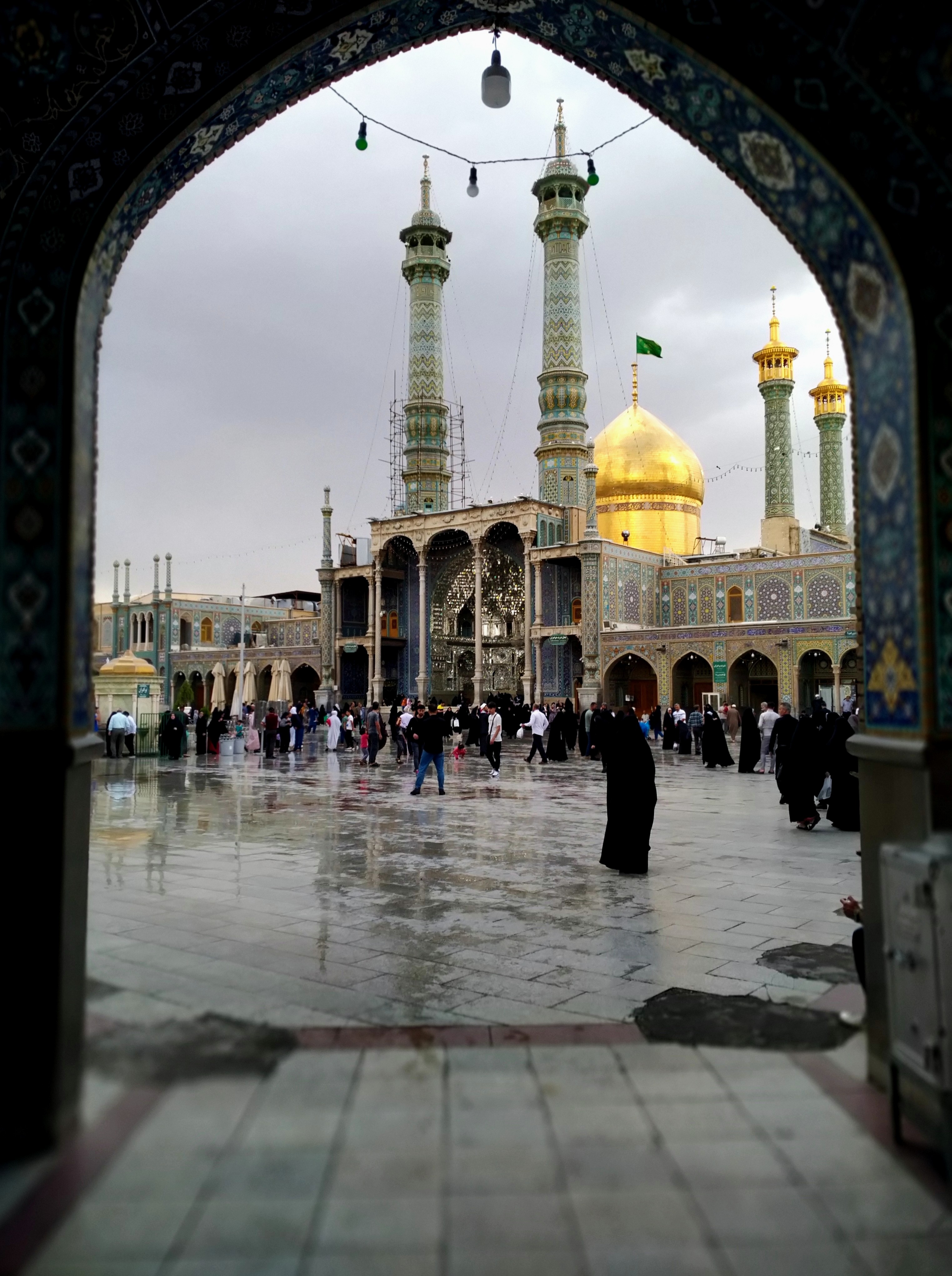
Qom, Iran
Data updated Sep 29, 2026
📊 Scores
Best fit: FIRE / Geoarbitrage (score: 56)
Petroleum infrastructure, religious pilgrimage, and theological education are the three pillars holding Qom's economy together. The Sarajeh oil field and nearby refinery complexes employ thousands in petrochemical and energy sectors, while the city's role as a pipeline distribution node for crude oil and natural gas creates steady industrial work. Another 20 million pilgrims annually funnel money into hospitality, retail, and religious services around the Fatima bint Musa Shrine. Seminary students from across the Muslim world also sustain a parallel economy of housing, food, and religious publishing.
A one-bedroom in the city center runs around $220/month, which sounds attractive until you factor in the broader context: international sanctions mean no Wise transfers, no PayPal, no straightforward way to move money in or out of Iran as a foreign national. Healthcare exists and is functional by regional standards, but access to Western pharmaceuticals is genuinely constrained by sanctions. Farsi is non-negotiable — English penetration is minimal outside academic circles. Bureaucracy for foreign residents is heavy, visa options are extremely limited, and the political environment creates real legal uncertainty.
Summers push past 40°C regularly and winters drop below freezing, with almost no rain to break the dust. The food scene is solid Persian home cooking — lamb stew, saffron rice, fresh bread — but alcohol is illegal and the social environment is strictly conservative, more so than Tehran. The expat community is essentially nonexistent in the conventional digital-nomad sense; foreigners here are overwhelmingly seminary students or religious scholars. Weekends mean shrine visits, bazaar walks, and not much else. Qom suits Shi'a Muslim scholars or theology students who came specifically for the seminaries — essentially no one else.
🏚️ Cost of Living
💰 Budgets and Costs
Grocery Basket
Eating Out
Utilities & Lifestyle
Housing
A 1BR in the center runs about $240/mo. If your income is in another currency, bank FX fees add up. A multi-currency account can cut that cost.
See low-fee transfersWe may earn a commission at no cost to you.
💰 Real Spend Reports
🛡️ Safety & Crime
(Higher is safer)
(Lower is safer)
Qom is relatively safe by regional standards with low street crime and violent crime rates. However, expats face distinct challenges: strict religious policing, limited personal freedoms, and potential harassment for Western behavior. Petty theft and scams targeting foreigners occur occasionally. The primary concern isn't criminal violence but navigating Iran's political environment, surveillance, and restrictions on movement and communication. Women face particular constraints. This city suits only expats with strong cultural preparation, professional necessity, or deep religious interest—not typical retirees seeking relaxation.
Qom has a safety index of 60/100. Petty theft and lost belongings are the most common problems for newcomers. Compare travel insurance before you go.
Compare travel insuranceWe may earn a commission at no cost to you.
🏥 Healthcare
🌤️ Climate
Best Months
Climate Notes
Desert climate; extremely hot, dry summers and cold, dry winters.
💻 Digital Nomad
Community Notes
| Name | Price/mo | Notes |
|---|---|---|
| Qom Innovation Center | $50 | Located near Pardisan Science and Technology Park, this center offers a modern workspace with meeting rooms and high-speed internet, suitable for tech-focused remote workers. The environment is geared towards innovation and collaboration. |
| Rasaco Coworking Space | $40 | Situated in the central business district, Rasaco provides a professional environment with private offices and shared workspaces. It's a good option for those needing a more formal setting with reliable amenities. |
Working remotely from Qom? Nomad health insurance covers you across borders, month to month.
See nomad insuranceWe may earn a commission at no cost to you.
🧳 Expat Life
Expat Life Notes
One of the holiest cities in Shia Islam; permanent foreign presence is almost strictly religious.
Pros
- ✓ Spiritual depth for pilgrims
- ✓ Safe atmosphere
Cons
- ✗ Extremely conservative
- ✗ Strict dress codes
- ✗ No western entertainment
Could living/working in Qom cut years off your work life?
With a 1-bedroom in the center at $240/mo, your FIRE number here might be much lower than you think.
Moving to Qom? Estimate what an international move would cost and compare mover quotes.
Estimate my move costShare This Guide
Qom won't stay this cheap forever.
Cost-of-living and visa updates for Qom and the rest of Iran. Free with RA Postcards.
By submitting your email address, you will receive a free subscription to RA Postcards and special offers from Rewire Abroad and our affiliates. You can unsubscribe at any time, and we encourage you to read more about our Privacy Policy.