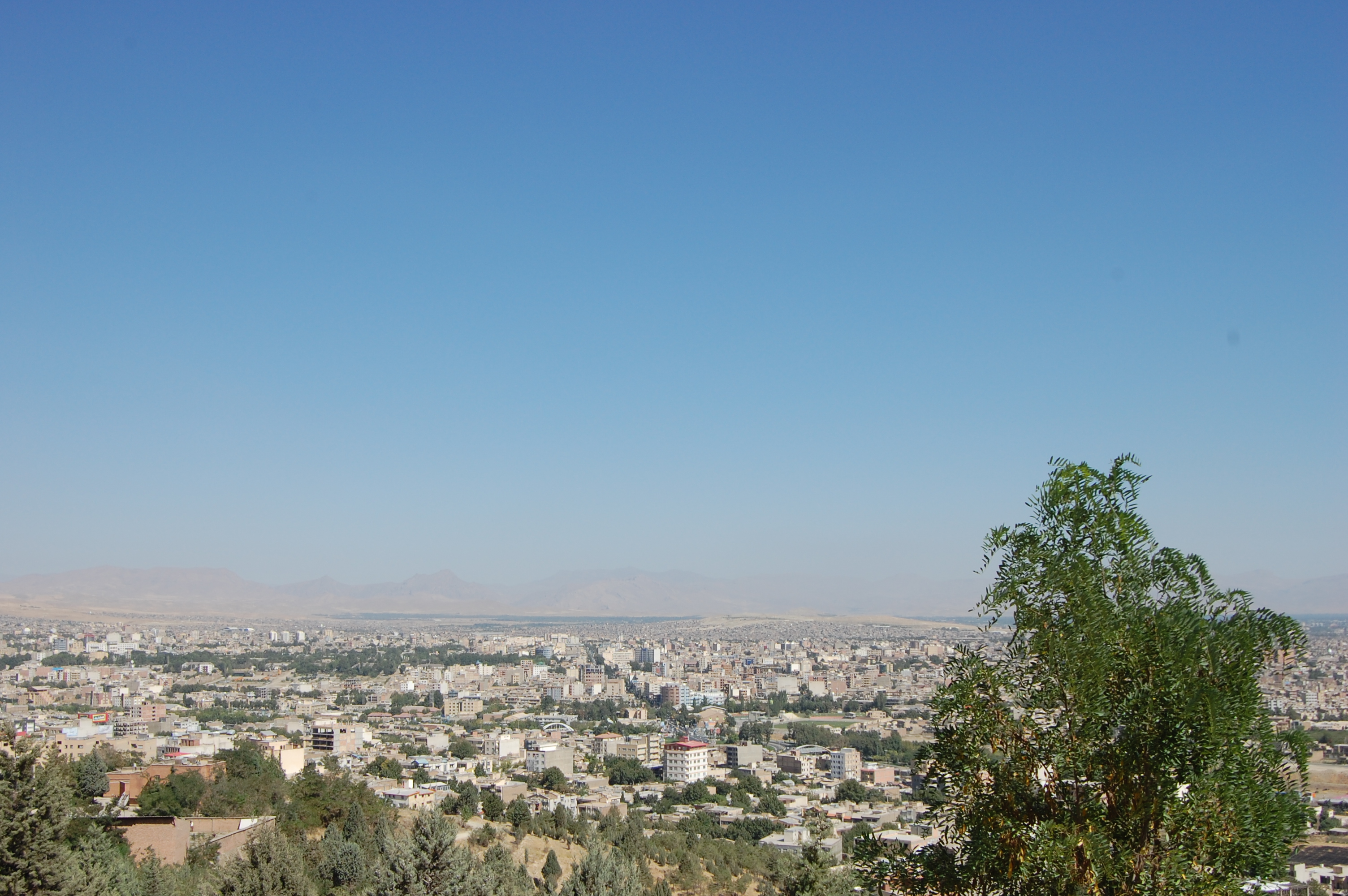
Orumiyeh, Iran
Data updated Sep 29, 2026
📊 Scores
Best fit: FIRE / Geoarbitrage (score: 54)
Agriculture and trade dominate here — apples, grapes, and tobacco flow out of the surrounding fertile plain, and Urmia sits at the commercial center of that supply chain. Food processing and textile manufacturing add industrial weight, and the city's position near the Turkish and Iraqi borders makes cross-border trade a real economic force. That said, the shrinking of Lake Urmia since the 1990s has quietly strangled water-dependent farming, and international sanctions have compressed wages and investment. Most people earn a living in agriculture, small retail, or public-sector work — not in tech or remote-friendly industries.
A one-bedroom in the city center runs around $250/month, which sounds attractive until you factor in that salaries are denominated in rials and sanctions make foreign currency transfers genuinely complicated — not just inconvenient, but legally and practically fraught. Healthcare exists and is functional by regional standards, but specialist care means traveling to Tabriz or Tehran. The dominant languages are Azerbaijani Turkish and Persian; English is rarely spoken outside universities. Bureaucracy for foreigners is heavy even by Iranian standards, and the political environment means expat life here is not a casual lifestyle choice.
Winters are cold and snowy at 1,330 meters elevation; summers are mild and genuinely pleasant, which is the city's best seasonal card. The food is good — lamb-heavy, fruit-forward, with strong Azerbaijani influences. There are historic Assyrian and Armenian churches worth exploring, remnants of a once-diverse population that has largely emigrated. The expat community is essentially nonexistent in any organized sense. Weekends mean local parks, bazaars, and day trips to the lake's salt flats — now more moonscape than shoreline. This city suits researchers, journalists, or people with deep family or cultural ties to the region, not lifestyle nomads.
🏚️ Cost of Living
💰 Budgets and Costs
Grocery Basket
Eating Out
Utilities & Lifestyle
Housing
A 1BR in the center runs about $250/mo. If your income is in another currency, bank FX fees add up. A multi-currency account can cut that cost.
See low-fee transfersWe may earn a commission at no cost to you.
💰 Real Spend Reports
🛡️ Safety & Crime
(Higher is safer)
(Lower is safer)
Orumiyeh presents moderate safety concerns for expats. While violent crime rates are relatively low, petty theft, pickpocketing, and scams targeting foreigners occur regularly in crowded markets and public transport. The city's proximity to the Turkey-Iraq border and ongoing regional tensions create unpredictable security risks. Avoid displaying wealth, stay clear of political discussions, and exercise caution in unfamiliar neighborhoods after dark. For American expats, the geopolitical environment and limited consular support make this a challenging choice; serious consideration of personal security protocols is essential before relocating.
Orumiyeh has a safety index of 50/100. Petty theft and lost belongings are the most common problems for newcomers. Compare travel insurance before you go.
Compare travel insuranceWe may earn a commission at no cost to you.
🏥 Healthcare
🌤️ Climate
Best Months
Climate Notes
Cold semi-arid climate; data reflects the West Azerbaijan region.
💻 Digital Nomad
Community Notes
| Name | Price/mo | Notes |
|---|---|---|
| Orumieh Innovation Center | $30 | While not a traditional coworking space, the Orumieh Science and Technology Park Innovation Center offers shared office spaces and resources for startups and entrepreneurs. Located near the university, it provides a collaborative environment and access to potential local partners, making it suitable for remote workers seeking connections. |
| Rosha Accelerator | $40 | Rosha Accelerator focuses on supporting startups and offers coworking spaces. It provides a modern workspace with essential amenities, fostering a collaborative atmosphere for digital nomads and remote workers in the city center. |
Working remotely from Orumiyeh? Nomad health insurance covers you across borders, month to month.
See nomad insuranceWe may earn a commission at no cost to you.
🧳 Expat Life
Expat Life Notes
A quiet, multicultural city near the Turkish border; expats are mostly humanitarian workers or researchers.
Pros
- ✓ Moderate climate
- ✓ Beautiful lake scenery
- ✓ Multilingual locals (Azeri/Kurdish)
Cons
- ✗ Isolated location
- ✗ Limited English infrastructure
- ✗ Sanctions impact on banking
Could living/working in Orumiyeh cut years off your work life?
With a 1-bedroom in the center at $250/mo, your FIRE number here might be much lower than you think.
Estimate the cost of moving to Orumiyeh, Iran
Get a free moving cost estimate for moving to Orumiyeh, Iran. Takes 10 seconds.
How much are you shipping?
When are you moving?
Powered by Sirelo. Free quotes from verified international movers.
Share This Guide
Orumiyeh won't stay this cheap forever.
Cost-of-living and visa updates for Orumiyeh and the rest of Iran. Free with RA Postcards.
By submitting your email address, you will receive a free subscription to RA Postcards and special offers from Rewire Abroad and our affiliates. You can unsubscribe at any time, and we encourage you to read more about our Privacy Policy.