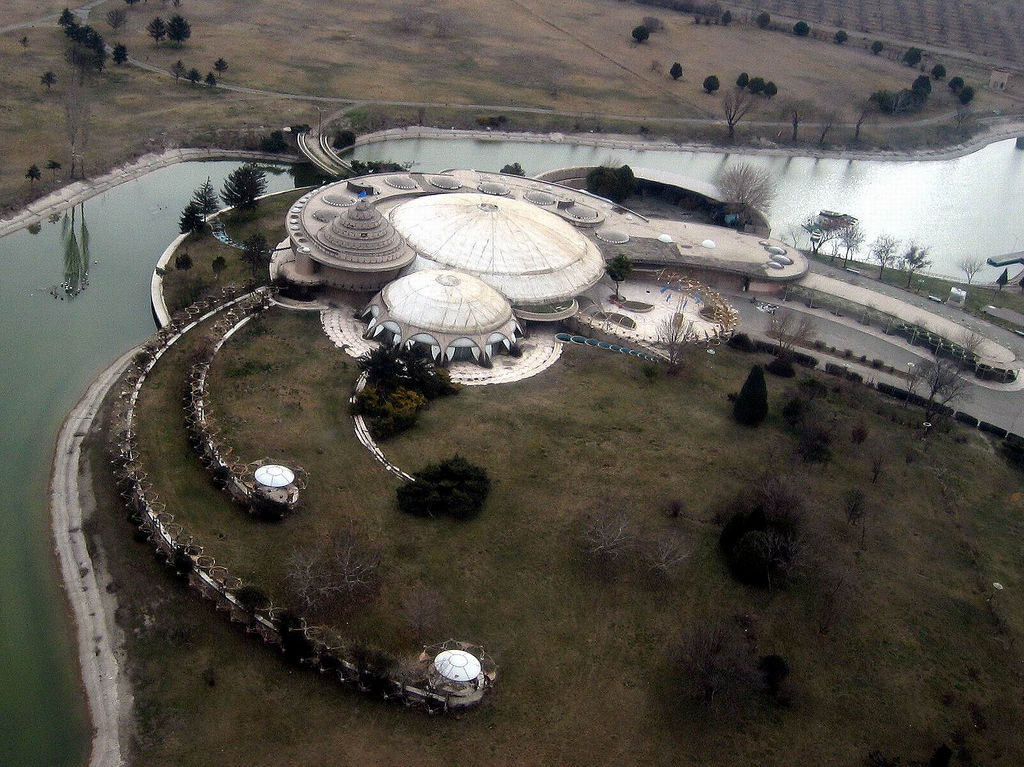
Karaj sits just 9 kilometers from Tehran's Mehrabad Airport (THR), at an elevation of 1,327 meters above sea level in the shadow of the Alborz mountains. Its semi-arid climate brings hot, dry summers and cold winters, with air quality that can be challenging (an index of 105). The small expat community tends to settle in Gohardasht and Jahanshahr, two neighborhoods that offer a quieter alternative to the capital's intensity.
Living costs here are remarkably low by global standards. A single adult's monthly expenses excluding rent run about $420, while a family of four spends roughly $1,300 without housing. Rents, however, show an unusual pattern: a one-bedroom in the city center averages $293 per month, but outside the center it jumps to $489. Three-bedroom apartments are $814 in the center and $468 outside. Utilities are just $13 monthly, internet $4, and a mobile plan $2. The average local net salary is $244 per month, which means many residents rely on multiple income streams or remote work.
Safety is a mixed picture. The crime index stands at 46 (lower is safer), and the safety index at 54 out of 100, suggesting moderate risk. Healthcare quality is rated as fair, which may be adequate for routine needs but could require travel for specialized care. English proficiency is limited, so learning basic Persian phrases is essential for daily life.
Getting to Karaj is straightforward via THR, the nearest airport just 9 kilometers away. The city suits budget-conscious travelers and those exploring early retirement or financial independence (FIRE score 78/100), though its digital nomad score is lower at 47 and retiree score at 48. The expat community remains very small, so newcomers should be prepared for a largely local experience with few English-speaking services.
Estimate the cost of moving to Karaj, Iran
Get a free moving cost estimate for moving to Karaj, Iran. Takes 10 seconds.
How much are you shipping?
When are you moving?
Powered by Sirelo. Free quotes from international movers.
🏚️ Cost of Living
💰 Budgets and Costs
A category breakdown is not available for Karaj yet. We publish a breakdown only when every category can be priced from local data, rather than showing figures we cannot stand behind.
Karaj presents moderate safety concerns for expats. While violent crime rates are relatively low, petty theft, pickpocketing, and scams targeting foreigners occur regularly in crowded areas and bazaars. Traffic accidents are a significant hazard due to chaotic driving patterns. As a major Iranian city, Karaj carries geopolitical risks related to Iran's international tensions and domestic political climate, which can affect expat communities unpredictably. Women face additional harassment concerns. The city is generally safer than many global counterparts, but expats should maintain heightened awareness, avoid displaying wealth, stay informed on political developments, and stick to established expat neighborhoods. Not recommended for those seeking a relaxed, low-stress environment.
Karaj has a safety index of 54/100. Petty theft and lost belongings are the most common problems for newcomers. Compare travel insurance before you go.
Located on Enghelab Street, this Regus center offers a professional environment with private offices and coworking spaces. It's a reliable option for expats seeking a familiar and well-equipped workspace in a central area of Karaj.
The Alborz branch of the Iran Innovation Center provides a collaborative environment for startups and entrepreneurs. While primarily focused on local businesses, it can be a good option for digital nomads looking to connect with the local tech scene and find affordable coworking options.
See how Karaj's digital nomad life compares with Mashhad
🧳 Expat Life
English Proficiency
Limited
Expat Community
Very Few
Top Neighborhoods
Gohardasht, Jahanshahr
Banks Nearby
200
ATMs Nearby
102
Expat Life Notes
A major industrial suburb of Tehran, Karaj offers cleaner air and lower rents but lacks independent expat amenities.
Pros
✓ Better air quality than Tehran
✓ Affordable housing
✓ Near mountains for hiking
Cons
✗ Significant language barrier
✗ Heavy commuting traffic
✗ Lack of foreign social outlets
🏘️ Neighborhoods in Karaj
Areas of Karaj that expats often consider.
The US government advises against travel to this country. Check the current government travel advisory before you book.
Conditions can change from one block to the next, and these descriptions are general guides, not safety assessments. Before choosing where to stay or live, check current travel advisories, talk to people who live there, and visit in person if you can.
Azimiyeh
Modern, upscale residential district
Azimiyeh is known for its modern apartments and relatively affluent residents. While not specifically geared towards expats, it offers a higher standard of living. Public transport is available, but a car is often preferred. Expect limited English spoken.
Gohardasht
Green, family-friendly suburb
Gohardasht is a more suburban area with parks and a quieter atmosphere, popular with families. It's less central than other areas, so access to amenities might require a car. English is not widely spoken, and it's not a common expat area.
Mehrshahr
Planned community, modern living
Mehrshahr is a planned community with a more modern infrastructure compared to older parts of Karaj. It tends to be more expensive. While not an expat hub, the newer construction might appeal to those seeking Western-style amenities. Car recommended.
Shahrak-e Naz
Residential, quiet, affordable
Shahrak-e Naz is a more affordable residential area. It's further from the city center and lacks many amenities within walking distance. It's not particularly expat-friendly due to language barriers and limited international services.
Dehghan Villa
Established, residential, green spaces
Dehghan Villa is an older, established residential area with more green spaces. It offers a mix of housing options. While not specifically catering to expats, it provides a more traditional Iranian living experience. Public transport is available, but can be crowded.
Page 1 of 2
Could living/working in Karaj cut years off your work life?
With a 1-bedroom in the center at $293/mo, your FIRE number here might be much lower than you think.
Karaj has a population of approximately 1,592,492 people.
A single person can expect to spend around $731 per month in Karaj, including rent. A 1-bedroom apartment in the city center costs approximately $293/month.
The nearest airport to Karaj is THR, approximately 8.9km away.
Karaj is considered moderate in terms of safety, with a safety index of 54.0. As with any city abroad, expats should research specific neighborhoods before committing to a location.
Karaj has an average internet speed of 12.7 Mbps. It is not yet considered a well-established digital nomad destination.
Technically, foreign nationals need a work permit tied to a specific employer in Iran. Remote work for foreign clients exists in practice but operates in a legal gray zone. Banking access is severely limited due to international sanctions — transferring money in or out of Iran is genuinely difficult and requires workarounds that carry their own risks.
It's not easy. English signage is minimal and English speakers are uncommon outside university settings. Basic errands, dealing with landlords, navigating government offices, and using local transport all require at least functional Farsi. Learning the script is practically necessary — transliteration only gets you so far in a city this size.
You can live reasonably well in Karaj on $800-$1200 USD per month, covering rent, groceries, transportation, and some entertainment. Rent for a decent apartment outside the city center might be $300-$500, while groceries could be around $200-$300 depending on your eating habits.
Unfortunately, there isn't a specific retirement visa for Iran. You'd likely need to explore options like a long-stay tourist visa (renewable, but not guaranteed) or investigate if investment opportunities could lead to residency, which is a complex process best handled with local legal counsel.
Internet speeds in Karaj are generally adequate for most remote work tasks, but not always blazing fast. You can expect download speeds of 10-30 Mbps, which is sufficient for video calls and general browsing, but may struggle with very large file transfers. Consider a backup mobile data plan for crucial meetings.
Areas like Mehrshahr and Azimieh are generally considered safer and more upscale neighborhoods in Karaj, offering better amenities and a more comfortable living environment. However, like any city, it's always wise to be aware of your surroundings and take basic safety precautions.
Karaj has a semi-arid climate with hot, dry summers and cold, wet winters. Pack light, breathable clothing for the summer months (June-August) and warm layers, including a coat, for the winter (December-February). Spring and autumn are mild and pleasant.
Finding English-speaking doctors in Karaj can be challenging but not impossible. Some private hospitals and clinics may have doctors with some English proficiency. It's best to ask for recommendations from other expats or contact international health insurance providers for assistance.
Due to sanctions, using US-based credit or debit cards in Iran is not possible. You'll need to bring cash (Euros or USD) and exchange it for Iranian Rial. Be aware of exchange rates and potential fees. Opening a local bank account can be difficult for foreigners.
Karaj could be viable for FIRE if you're very budget-conscious and comfortable with a different lifestyle. The low cost of living allows your passive income to stretch further, but you need to factor in the challenges of banking, language, and cultural differences. Thorough research is essential.
Iranians are generally known for their hospitality, and you'll likely find people in Karaj to be welcoming and curious about foreigners. However, be mindful of local customs and dress modestly. Learning a few basic Farsi phrases will go a long way in building rapport.
Be sure to try dishes like *dizi* (a hearty lamb and chickpea stew), *kebab koobideh* (ground meat kebab), and *ghormeh sabzi* (herb and bean stew). Many restaurants offer these traditional Iranian dishes at affordable prices.
As a US citizen, you're still required to file US taxes even while living abroad. You may be able to exclude a portion of your foreign earned income using the Foreign Earned Income Exclusion (FEIE) or claim a Foreign Tax Credit. Consult with a tax professional specializing in expat taxes.
The pace of life in Karaj is generally slower and more relaxed than in a major US city. While there's still hustle and bustle, especially during rush hour, there's also a greater emphasis on family and social connections, leading to a less frantic daily routine.
Coworking spaces are not as prevalent in Karaj as in some other major cities, but some cafes offer decent Wi-Fi and a comfortable environment for working. Ask around for recommendations, as new places are always popping up. Expect to pay a small fee or purchase food/drinks.
Cost-of-living and visa updates for Karaj and the rest of Iran. Free with RA Postcards.
By submitting your email address, you will receive a free subscription to RA Postcards and special offers from Rewire Abroad and our affiliates. You can unsubscribe at any time, and we encourage you to read more about our Privacy Policy.