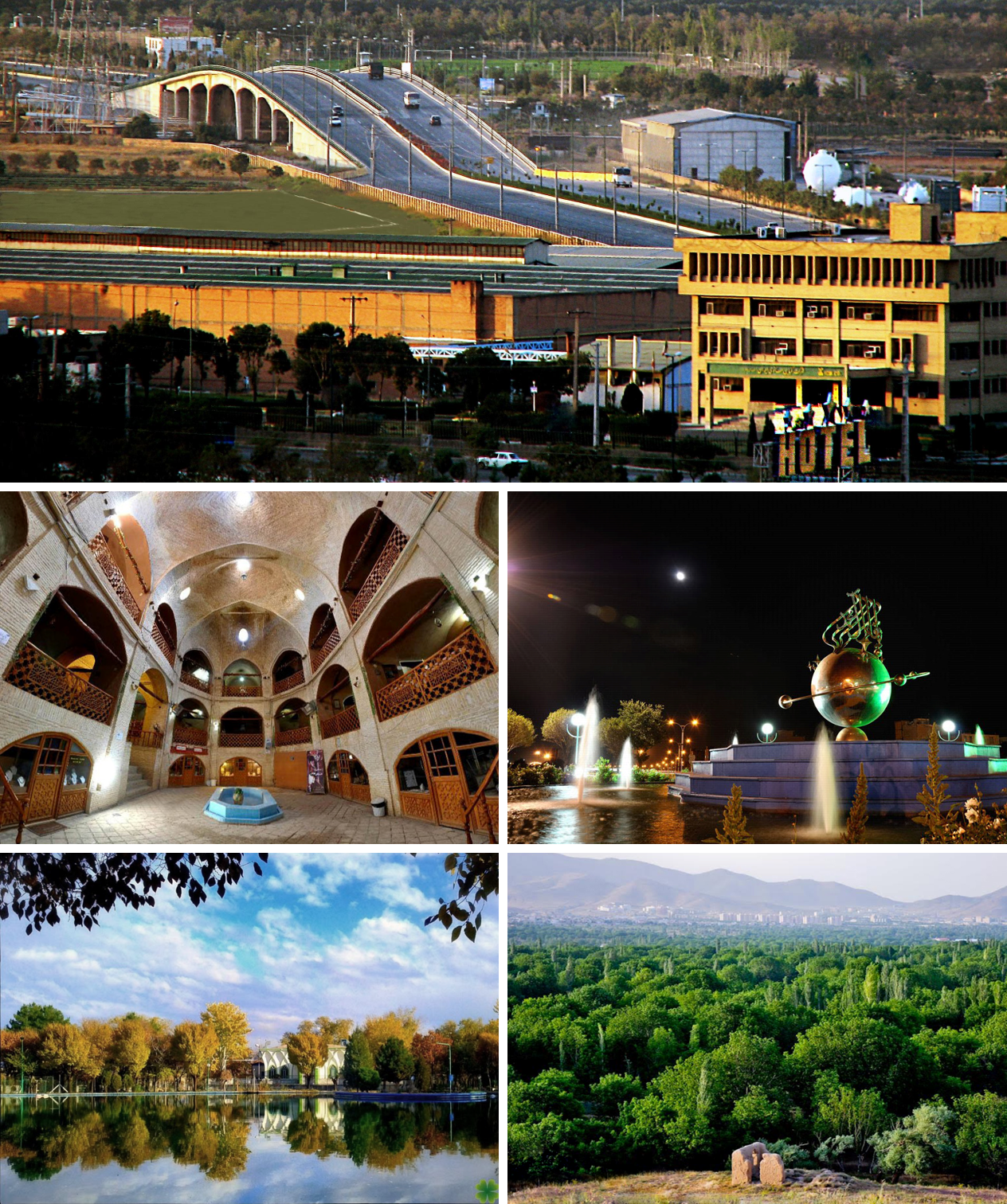
Arak, Iran
Data updated Sep 3, 2026
📊 Scores
Best fit: FIRE / Geoarbitrage (score: 49)
Iran's self-styled 'Industrial Capital' runs on steel, aluminum, and petrochemicals — not tourism or tech. Machine Sazi Arak and the Iranian Aluminium Company (IRALCO) are the dominant employers, producing locomotives, heavy machinery, and roughly half of Iran's aluminum output. State-owned enterprises built with Soviet assistance in the 1972 era still anchor the economy. If you're not an engineer, factory manager, or government contractor, your employment options here are thin. Foreign nationals face severe restrictions on working legally in Iran under current sanctions conditions.
A one-bedroom in the city center runs around $280/month at current informal exchange rates, though dollar-based transactions are legally complicated and practically done through the black market. Sanctions mean no international banking, no Wise, no PayPal — cash is the only reality. Healthcare exists through public hospitals and some private clinics, but accessing it as a foreigner requires navigating Farsi-only bureaucracy with zero English support. The Trans-Iranian Railway connects Arak to Tehran in roughly 3–4 hours, which is genuinely useful. The language barrier is total: English fluency is rare outside universities.
Continental plateau climate means genuinely cold winters with snow and dry, moderate summers — not the desert heat people assume. Local food is solid Persian home cooking: kebabs, stews, fresh bread. There is no expat community to speak of; this is not a city where foreigners settle by choice. Weekends mean family gatherings, parks, and the occasional day trip to nearby mountains. The safety index of 40 reflects a city that's politically sensitive given its proximity to nuclear facilities that have drawn international scrutiny. This city suits almost no one relocating from abroad — it's an industrial hub for Iranians, full stop.
🏚️ Cost of Living
💰 Budgets and Costs
Grocery Basket
Eating Out
Utilities & Lifestyle
Housing
A 1BR in the center runs about $400/mo. If your income is in another currency, bank FX fees add up. A multi-currency account can cut that cost.
See low-fee transfersWe may earn a commission at no cost to you.
💰 Real Spend Reports
🛡️ Safety & Crime
(Higher is safer)
(Lower is safer)
Arak presents moderate safety concerns for Western expats. While violent crime against foreigners is uncommon, petty theft, pickpocketing, and scams targeting outsiders occur regularly. The city's industrial character and limited expat infrastructure mean fewer established safe zones compared to Tehran or Shiraz. Avoid displaying wealth, use registered taxis, and stay clear of political gatherings. The primary risk isn't street crime but bureaucratic complications, visa issues, and the broader geopolitical context of Iran—which can affect banking, healthcare access, and emergency services. This city is suitable only for expats with strong Persian language skills, established local networks, and genuine professional reasons to be there.
Arak has a safety index of 40/100. Petty theft and lost belongings are the most common problems for newcomers. Compare travel insurance before you go.
Compare travel insuranceWe may earn a commission at no cost to you.
🏥 Healthcare
🌤️ Climate
Best Months
Climate Notes
Mediterranean-influenced continental climate with cold winters and hot summers.
💻 Digital Nomad
Community Notes
| Name | Price/mo | Notes |
|---|---|---|
| Arak Innovation Center | $30 | While not a traditional coworking space, the Arak Innovation Center offers shared office facilities and resources for startups and entrepreneurs. It's located near the city center and provides a collaborative environment, making it suitable for remote workers seeking a professional setting and networking opportunities. |
| Arak Science and Technology Park | $25 | Similar to the Innovation Center, the Science and Technology Park provides infrastructure and support for knowledge-based companies. It offers shared workspaces and access to facilities that can be beneficial for digital nomads looking for a functional and affordable workspace in a professional environment. |
Working remotely from Arak? Nomad health insurance covers you across borders, month to month.
See nomad insuranceWe may earn a commission at no cost to you.
🧳 Expat Life
Expat Life Notes
An industrial city in central Iran; very few expats outside of engineering roles.
Pros
- ✓ Central location
- ✓ Low cost of living
Cons
- ✗ Severe air pollution
- ✗ Industrial focus
- ✗ Minimal English
Could living/working in Arak cut years off your work life?
With a 1-bedroom in the center at $400/mo, your FIRE number here might be much lower than you think.
Moving to Arak? Estimate what an international move would cost and compare mover quotes.
Estimate my move costShare This Guide
Arak won't stay this cheap forever.
Cost-of-living and visa updates for Arak and the rest of Iran. Free with RA Postcards.
By submitting your email address, you will receive a free subscription to RA Postcards and special offers from Rewire Abroad and our affiliates. You can unsubscribe at any time, and we encourage you to read more about our Privacy Policy.