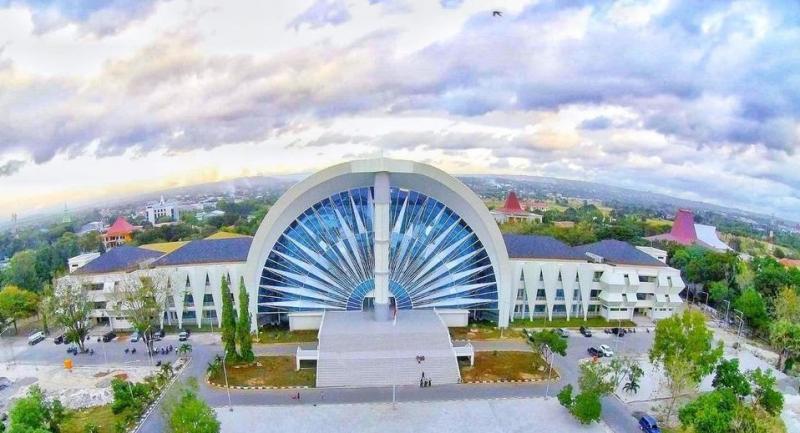
Kupang, Indonesia
Data updated Sep 3, 2026
📊 Scores
Best fit: FIRE / Geoarbitrage (score: 77)
Maritime trade dominates the economy here, with the port handling cargo flows between Indonesia, Timor-Leste, and Australia through the Growth Triangle free trade zone. Fishing fleets bring in daily catches while agricultural exports from the surrounding province move through local warehouses. Government jobs are plentiful given Kupang's status as provincial capital, but private sector opportunities cluster around logistics, small-scale manufacturing, and increasingly tourism services. English-speaking expats typically find work in NGOs, education, or consulting rather than competing for local maritime jobs.
Rent runs about $280 monthly for a decent one-bedroom in the center, though quality varies wildly and air conditioning drives up electricity bills significantly. Public transport consists of bemos (shared minivans) for $0.30 per ride, but most expats end up buying motorbikes since routes don't cover everything efficiently. Healthcare means flying to Bali or Jakarta for anything serious — local facilities handle basics only. Indonesian language is essential; English gets you nowhere outside hotels. Bureaucracy moves at typical Indonesian pace, meaning patience and local fixers become necessities.
The dry season brings relentless heat with temperatures hitting 35°C regularly, while the wet season offers brief relief but flooding headaches. Local food blends Indonesian staples with Portuguese influences — think grilled fish, spicy sambal, and surprisingly good coffee. The expat community numbers maybe 200 people, mostly aid workers and researchers, creating a small but tight social circle. Weekends mean beach trips to nearby islands or exploring traditional villages in the hills. This works for adventurous types who want authentic Indonesia without Jakarta's chaos, but infrastructure limitations will frustrate anyone expecting modern conveniences.
🏚️ Cost of Living
💰 Budgets and Costs
Grocery Basket
Eating Out
Utilities & Lifestyle
Housing
A 1BR in the center runs about $280/mo. If your income is in another currency, bank FX fees add up. A multi-currency account can cut that cost.
See low-fee transfersWe may earn a commission at no cost to you.
💰 Real Spend Reports
🛡️ Safety & Crime
(Higher is safer)
(Lower is safer)
Kupang is moderately safe for expats, with a Safety Index of 55 suggesting manageable risk levels. Petty theft, pickpocketing, and motorcycle theft are the primary concerns, particularly in crowded markets and around the port area. Violent crime against foreigners is uncommon, though late-night travel should be avoided. The city's remote location in East Nusa Tenggara means limited police resources and slower emergency response times. Expats generally report feeling secure in established neighborhoods like Oebobo and Kelapa Lima. Overall, Kupang is suitable for those comfortable with typical Southeast Asian urban precautions—remain aware of surroundings, secure valuables, and avoid displaying wealth.
Kupang has a safety index of 55/100. Petty theft and lost belongings are the most common problems for newcomers. Compare travel insurance before you go.
Compare travel insuranceWe may earn a commission at no cost to you.
🏥 Healthcare
🌤️ Climate
Best Months
Climate Notes
Kupang has a tropical savanna climate with a distinct dry season (May–October) offering relief from humidity, and a hot, wet monsoon season (November–April) with heavy rainfall and occasional cyclones.
💻 Digital Nomad
Community Notes
| Name | Price/mo | Notes |
|---|---|---|
| Kupang Digital Innovation Lounge (KDIL) | $35 | KDIL is a government-supported initiative aimed at fostering innovation and entrepreneurship. It offers a modern workspace with reliable internet, meeting rooms, and a collaborative environment, making it suitable for digital nomads looking to connect with the local tech community. Located in the heart of Kupang, it's easily accessible. |
| Hotel On The Rock | $50 | While primarily a hotel, Hotel On The Rock offers a business center and quiet areas with stunning ocean views that can function as a coworking space. The reliable Wi-Fi, on-site restaurant, and relaxed atmosphere make it a good option for those who prefer a more resort-like work environment. Located in Bolok, Kupang. |
| Amaris Hotel Kupang | $40 | Similar to Hotel On The Rock, Amaris Hotel provides a business center and lobby area with workspace potential. It's a budget-friendly option with decent internet and a central location in Kupang, making it convenient for accessing amenities and transportation. |
Planning to live in Kupang long-term? Indonesia Remote Worker Visa (E33G) lets remote workers live legally with a minimum income of $2,000/month.
View full requirements →Working remotely from Kupang? Nomad health insurance covers you across borders, month to month.
See nomad insuranceWe may earn a commission at no cost to you.
🧳 Expat Life
Expat Life Notes
A remote provincial capital with an emerging marine tourism sector but zero expat lifestyle infrastructure.
Pros
- ✓ Near amazing diving
- ✓ Low cost of living
Cons
- ✗ Remote location
- ✗ Basic medical/retail facilities
- ✗ Significant language barrier
🛂 Visa Options for Indonesia
Many long-stay visas require proof of health insurance. Compare international health plans before you apply.
Compare health insuranceWe may earn a commission at no cost to you.
Living on investment or passive income? Indonesia Retirement Visa (KITAS) may be the right fit — minimum $2,000/month required.
View full requirements →Earning over $2,000/mo? You may qualify for a Indonesia visa.
Answer 10 questions and get a personalized match in under 2 minutes.
Could living/working in Kupang cut years off your work life?
With a 1-bedroom in the center at $224/mo, your FIRE number here might be much lower than you think.
Moving to Kupang? Estimate what an international move would cost and compare mover quotes.
Estimate my move costShare This Guide
Kupang won't stay this cheap forever.
Cost-of-living and visa updates for Kupang and the rest of Indonesia. Free with RA Postcards.
By submitting your email address, you will receive a free subscription to RA Postcards and special offers from Rewire Abroad and our affiliates. You can unsubscribe at any time, and we encourage you to read more about our Privacy Policy.