Indonesia flag

Depok, Indonesia

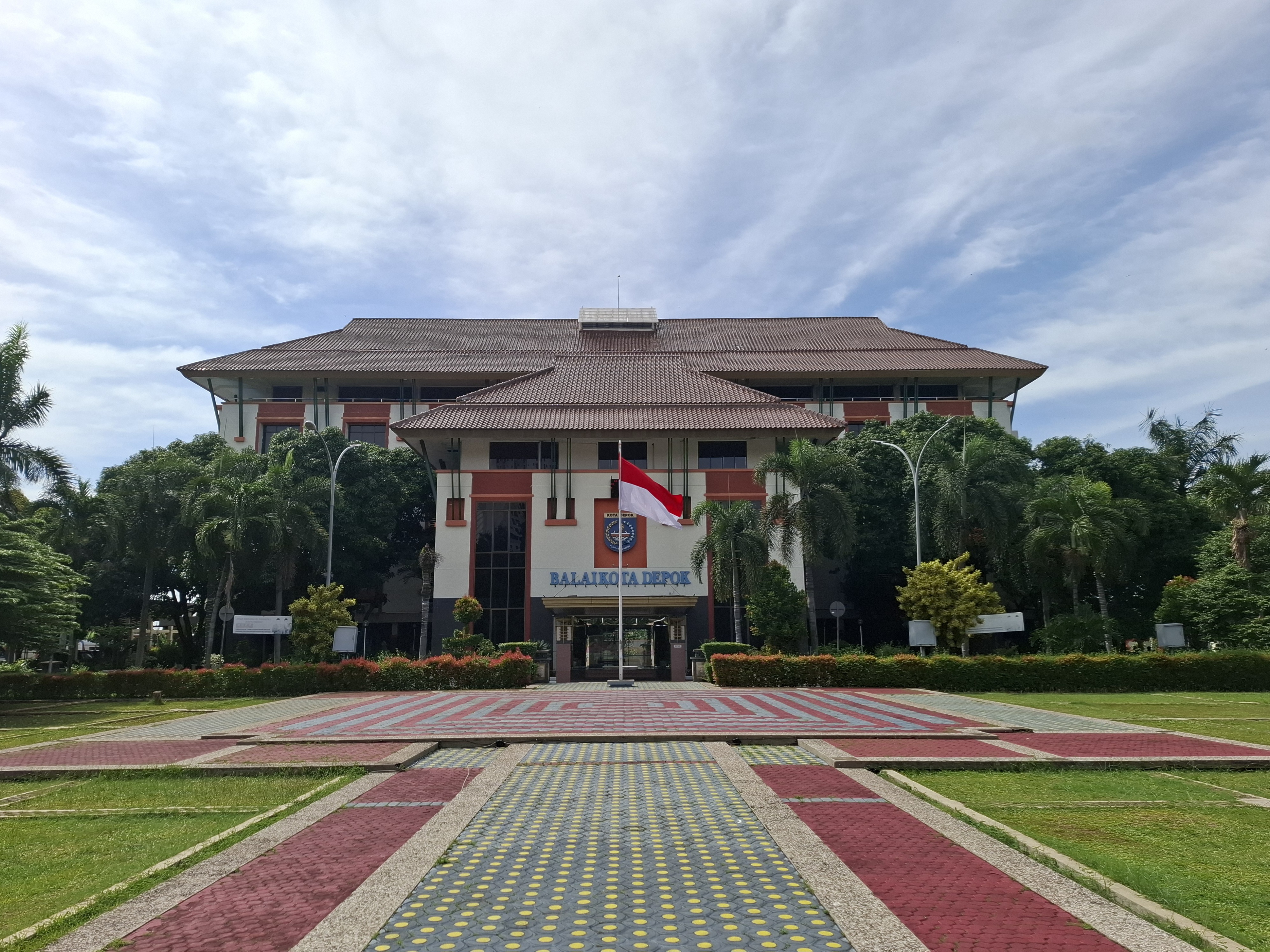
Depok, Indonesia Hero Image
Wikipedia Contributor, CC BY-SA

Data updated Oct 9, 2026

Follows Indonesia Residency Rules. Check Digital Nomad & Retiree Pathways →

📊 Scores

76
FIRE
55
Retiree
56
Digital Nomad

Best fit: FIRE / Geoarbitrage (score: 76)

Depok sits just south of Jakarta in West Java, roughly 50 m above sea level and on Asia/Jakarta time, close enough to the capital that many residents treat it as a commuter base rather than a destination in its own right. The climate is a tropical monsoon pattern: very humid, with frequent afternoon thunderstorms that roll in like clockwork through much of the year. With a population of 2.5 million, the city is dense and busy, but expats tend to cluster in a couple of pockets. Margonda is the best known of these, a long commercial spine lined with campuses, cafes, and apartment towers, while Cinere offers a quieter, more residential feel on the western edge. The expat community here is small, and English proficiency is limited, so daily life rewards a willingness to learn some Indonesian and to lean on neighbors rather than on an established foreign network.

The cost of living is the main draw, and the numbers are striking even by regional standards. A one-bedroom apartment in the city center rents for about $214/mo, while the same unit outside the center drops to $105/mo. Three-bedroom places run $251/mo in the center and $140/mo farther out, which makes family-sized housing unusually attainable. Utilities come to roughly $34/mo, internet about $19/mo, and a mobile phone plan around $4/mo. A monthly public transport pass costs $13/mo, and a gym membership is about $3/mo. Eating out is cheap: an inexpensive restaurant meal is around $1 per person, a mid-range three-course dinner for two is about $14, and a cappuccino is roughly $2. Against those figures, a single adult can live on a budget tier of $219/mo including rent, step up to a mid-range tier of $283/mo, or settle into a comfortable tier of $416/mo. Excluding rent, a single person spends about $550/mo and a family of four about $1,650/mo. The catch is local wages: average monthly net salary is only $225/mo, so the city is far more affordable for those earning abroad or in Jakarta than for people working locally. The cost of living index sits at 41/100 against New York City at 100.

Safety is moderate. The safety index is 58/100 and the crime index is 42/100, where a lower number means safer, so the city lands in a middle range rather than at either extreme. Air quality is a real concern, with an air quality index of 95 that reflects the broader Greater Jakarta pollution problem. Healthcare quality is rated as good, which is reassuring for a city of this size, though the small expat community and limited English proficiency mean that navigating appointments and paperwork is easier with some local language and a trusted clinic. Internet speeds average 20 Mbps, adequate for most remote work but not always comfortable for heavy video calls or large uploads.

For longer stays, Indonesia offers the Retirement Visa (KITAS) and the Remote Worker Visa (E33G), both of which require a minimum monthly income of $2,000/mo. The nearest airport is PCB, about 9 km away. Depok scores 76/100 overall for expats, with a FIRE score of 78/100, a retiree score of 58/100, and a digital nomad score of 59/100. That mix points to a particular kind of resident: someone with foreign income or a Jakarta salary who wants low rent, cheap meals, and easy access to the capital, and who is willing to trade a small expat scene, limited English, and hazy air for a monthly budget that few cities in the region can match.

Estimate the cost of moving to Depok, Indonesia

Get a free moving cost estimate for moving to Depok, Indonesia. Takes 10 seconds.

How much are you shipping?

When are you moving?

Powered by Sirelo. Free quotes from international movers.

🏚️ Cost of Living

💰 Budgets and Costs

$298/mo, one person, rent included
Selected: mid-range lifestyle

Depok at the mid-range tier comes to about $298 a month for one adult, with $105 of that going to rent. Beyond rent the estimate covers $82.00 on groceries, $14.00 on dining out, $27.00 on entertainment and lifestyle, $57.00 on utilities and connectivity and $13.00 on transport.

Rent

$105/mo

1BR outside the centre

Groceries

$82.00/mo

Staples basket scaled to a full month

Dining out

$14.00/mo

10 inexpensive meals

Entertainment & lifestyle

$27.00/mo

gym, 2 cinema trips, 12 cappuccinos

Utilities & connectivity

$57.00/mo

utilities, mobile, internet

Transport

$13.00/mo

Monthly pass

Budgets (excl. rent)

Single person$193/mo

Excludes rent. The total above is all-in, rent included.

Estimates for one adult, built from this city's average prices and the usage shown for each tier. Your spending will differ with how often you eat out and where you live.

A 1BR in the center runs about $214.05/mo. If your income is in another currency, bank FX fees add up. A multi-currency account can cut that cost.

See low-fee transfers

We may earn a commission at no cost to you.

See how Depok's cost of living compares with Yogyakarta

Be the first to report costs in Depok

Share

🛡️ Safety & Crime

58
Safety Index

(Higher is safer)

42
Crime Index

(Lower is safer)

Depok is moderately safe for expats, with a Safety Index of 58 suggesting manageable risk levels typical of suburban Jakarta. Primary concerns include petty theft, motorcycle robbery (especially at night), and scams targeting foreigners unfamiliar with local banking/real estate. Avoid displaying valuables, use registered taxis or ride-sharing apps, and stay alert in crowded markets and transportation hubs. Certain areas near the city center see higher crime; residential enclaves like Cinere and Sawangan are generally safer. Overall, Depok is livable for expats with standard urban precautions—not a major safety concern compared to central Jakarta, but requires consistent vigilance.

Depok has a safety index of 58/100. Petty theft and lost belongings are the most common problems for newcomers. Compare travel insurance before you go.

Compare travel insurance

We may earn a commission at no cost to you.

🏥 Healthcare

Good
Public Hospitals
Yes
Private Clinics
Yes
English-Speaking Doctors
Available

See how Depok's healthcare compares with Yogyakarta

🌤️ Climate

Summer Temp
32°C
Winter Temp
23°C
Humidity
80%
Air Quality Index
95
Annual Rainfall
2274 mm

Best Months

MayJunJulAug

Climate Notes

Tropical monsoon climate; very humid with frequent afternoon thunderstorms.

💻 Digital Nomad

Avg Internet Speed
20.2 Mbps
Internet (monthly)
$19/mo
Coworking Availability
Abundant
Coworking Spaces Nearby
0
Digital Nomad Score
56/100

Community Notes

Depok benefits from proximity to Jakarta with plenty of coworking spaces.

Planning to live in Depok long-term? Indonesia Remote Worker Visa (E33G) lets remote workers live legally with a minimum income of $2,000/month.

View full requirements →

Working remotely from Depok? Nomad health insurance covers you across borders, month to month.

See nomad insurance

We may earn a commission at no cost to you.

See how Depok's digital nomad life compares with Yogyakarta

🧳 Expat Life

English Proficiency
Limited
Expat Community
Small
Top Neighborhoods
Margonda, Cinere
Banks Nearby
52
ATMs Nearby
50

Expat Life Notes

A university city housing UI, Depok is calm and academic but lacks international lifestyle amenities.

Pros

  • ✓ Young, academic atmosphere
  • ✓ Affordable living
  • ✓ Train access to Jakarta

Cons

  • ✗ Conservative social policies
  • ✗ Heavy traffic congestion
  • ✗ English not widely used

🏘️ Neighborhoods in Depok

Areas of Depok that expats often consider.

Conditions can change from one block to the next, and these descriptions are general guides, not safety assessments. Before choosing where to stay or live, check current travel advisories, talk to people who live there, and visit in person if you can.

Margonda

Bustling commercial, student-centric, lively

Margonda is the main thoroughfare and commercial hub of Depok. Dominated by universities, it's filled with affordable food stalls, malls, and student housing. Expect heavy traffic and noise, but also easy access to amenities and a vibrant atmosphere. Good for younger expats or those seeking a lively environment.

Pesona Khayangan

Upscale, residential, family-oriented, quiet

Pesona Khayangan is a well-planned residential area known for its larger homes and quieter streets. It's popular with Indonesian families and offers a more relaxed environment compared to Margonda. While less walkable, it's a good option for those seeking a more suburban lifestyle and willing to use a car or ride-hailing services.

Depok Lama (Old Depok)

Historic, traditional, local culture

Depok Lama is the oldest part of the city, with a more traditional Indonesian feel. It's less developed than other areas and offers a glimpse into Depok's history. Language barriers may be more significant here, but it's a good option for those seeking an authentic cultural experience and lower cost of living.

Cimanggis

Residential, developing, affordable living

Cimanggis is a rapidly developing area with a mix of housing options. It's generally more affordable than areas closer to the city center. While not particularly walkable, it offers a quieter residential environment and is becoming increasingly popular with young families.

Page 1 of 2

Could living/working in Depok cut years off your work life?

With a 1-bedroom in the center at $214/mo, your FIRE number here might be much lower than you think.

Calculate My FIRE Date →

🛂 Visa Options for Indonesia

Many long-stay visas require proof of health insurance. Compare international health plans before you apply.

Compare health insurance

We may earn a commission at no cost to you.

🛂

Earning over $2,000/mo? You may qualify for a Indonesia visa.

Answer 11 questions and get a personalized match in under 2 minutes.

Find My Visa

More Cities to Consider instead of Depok

FAQ

Frequently Asked Questions about Depok

Click any question to expand the answer.

Share This Guide