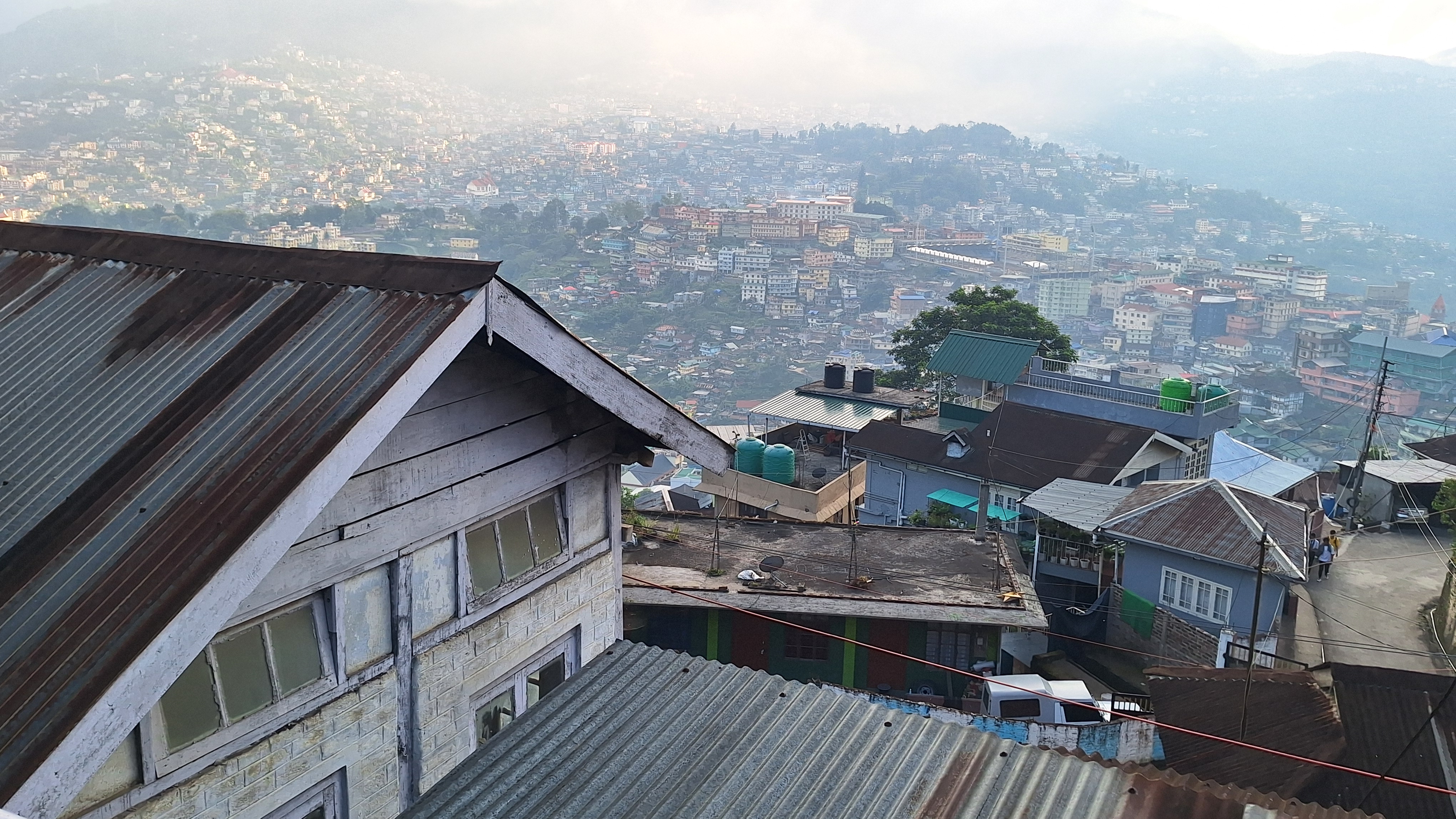
Kohima, India
Data updated Sep 3, 2026
📊 Scores
Best fit: FIRE / Geoarbitrage (score: 84)
Government jobs dominate Kohima's economy—the state capital draws salaries from bureaucracy, education, and public services. Agriculture and traditional Naga weaving provide secondary income, though handloom work is declining as younger people migrate. Tourism is growing but remains seasonal and modest. Most expats here work remotely or teach English; local employment outside government is thin. The economy isn't built for outsiders to earn significantly.
Rent runs $240/month for a 1BR in the center, food is cheap, but infrastructure has real gaps. Dimapur airport (60km away) is your only air option; buses to other Northeast cities exist but take 8+ hours. Healthcare is basic—serious issues mean traveling to Guwahati or Delhi. Nagamese is the lingua franca; English works in government circles but not widely. Bureaucracy for residency is standard Indian friction: permits, registration, patience required.
Kohima sits at 1,261m elevation with cool, wet monsoons (June–September are brutal). The Hornbill Festival (December) brings culture and crowds. Food is meat-heavy and spiced; vegetarian options exist but aren't the default. The expat community is tiny—maybe 20–30 people total. Weekends mean hiking nearby hills, visiting the War Cemetery, or attending tribal festivals. This suits remote workers seeking genuine cultural immersion and solitude, not social infrastructure.
🏚️ Cost of Living
💰 Budgets and Costs
Grocery Basket
Eating Out
Utilities & Lifestyle
Housing
A 1BR in the center runs about $240/mo. If your income is in another currency, bank FX fees add up. A multi-currency account can cut that cost.
See low-fee transfersWe may earn a commission at no cost to you.
💰 Real Spend Reports
🛡️ Safety & Crime
(Higher is safer)
(Lower is safer)
Kohima is a relatively safe city for expats, with a strong community feel and low violent crime rates typical of smaller Indian hill stations. Main concerns include petty theft, occasional scams targeting foreigners unfamiliar with local practices, and traffic safety issues. Avoid displaying expensive items, use registered taxis, and exercise caution in crowded markets. The city's remote location and tight-knit society create natural security, though occasional civil unrest related to regional politics warrants staying informed. Overall, a reasonable choice for expats seeking a quieter, safer alternative to major Indian metros.
🏥 Healthcare
🌤️ Climate
Best Months
Climate Notes
Kohima has a subtropical highland climate with cool, dry winters (November–February) and warm, wet monsoons (June–September), making it pleasantly temperate year-round but quite humid during the rainy season.
💻 Digital Nomad
Community Notes
| Name | Price/mo | Notes |
|---|---|---|
| Kohima Smart City Development Limited - Incubation Centre | $40 | While primarily an incubation center, it offers coworking spaces and resources for startups and entrepreneurs. Located centrally in Kohima, it provides a professional environment and potential networking opportunities for remote workers. |
| NIELIT Kohima - Incubation Centre | $35 | Similar to the Smart City Incubation Centre, NIELIT provides a tech-focused environment with potential access to resources and training. It's a good option for digital nomads interested in technology and innovation, located in Meriema, Kohima. |
Working remotely from Kohima? Nomad health insurance covers you across borders, month to month.
See nomad insuranceWe may earn a commission at no cost to you.
🧳 Expat Life
Expat Life Notes
Kohima is the capital of Nagaland in northeast India, known for its WWII battle history and tribal culture. It is extremely remote from an expat perspective with no relevant infrastructure.
Pros
- ✓ Unique tribal culture
- ✓ WWII historical significance
- ✓ Scenic hill setting
Cons
- ✗ Very remote
- ✗ No expat community
- ✗ Limited connectivity
🛂 Visa Options for India
Many long-stay visas require proof of health insurance. Compare international health plans before you apply.
Compare health insuranceWe may earn a commission at no cost to you.
Not sure which India visa you qualify for?
Answer 10 questions and get a personalized match in under 2 minutes.
Could living/working in Kohima cut years off your work life?
With a 1-bedroom in the center at $144/mo, your FIRE number here might be much lower than you think.
Moving to Kohima? Estimate what an international move would cost and compare mover quotes.
Estimate my move costShare This Guide
Kohima won't stay this cheap forever.
Cost-of-living and visa updates for Kohima and the rest of India. Free with RA Postcards.
By submitting your email address, you will receive a free subscription to RA Postcards and special offers from Rewire Abroad and our affiliates. You can unsubscribe at any time, and we encourage you to read more about our Privacy Policy.