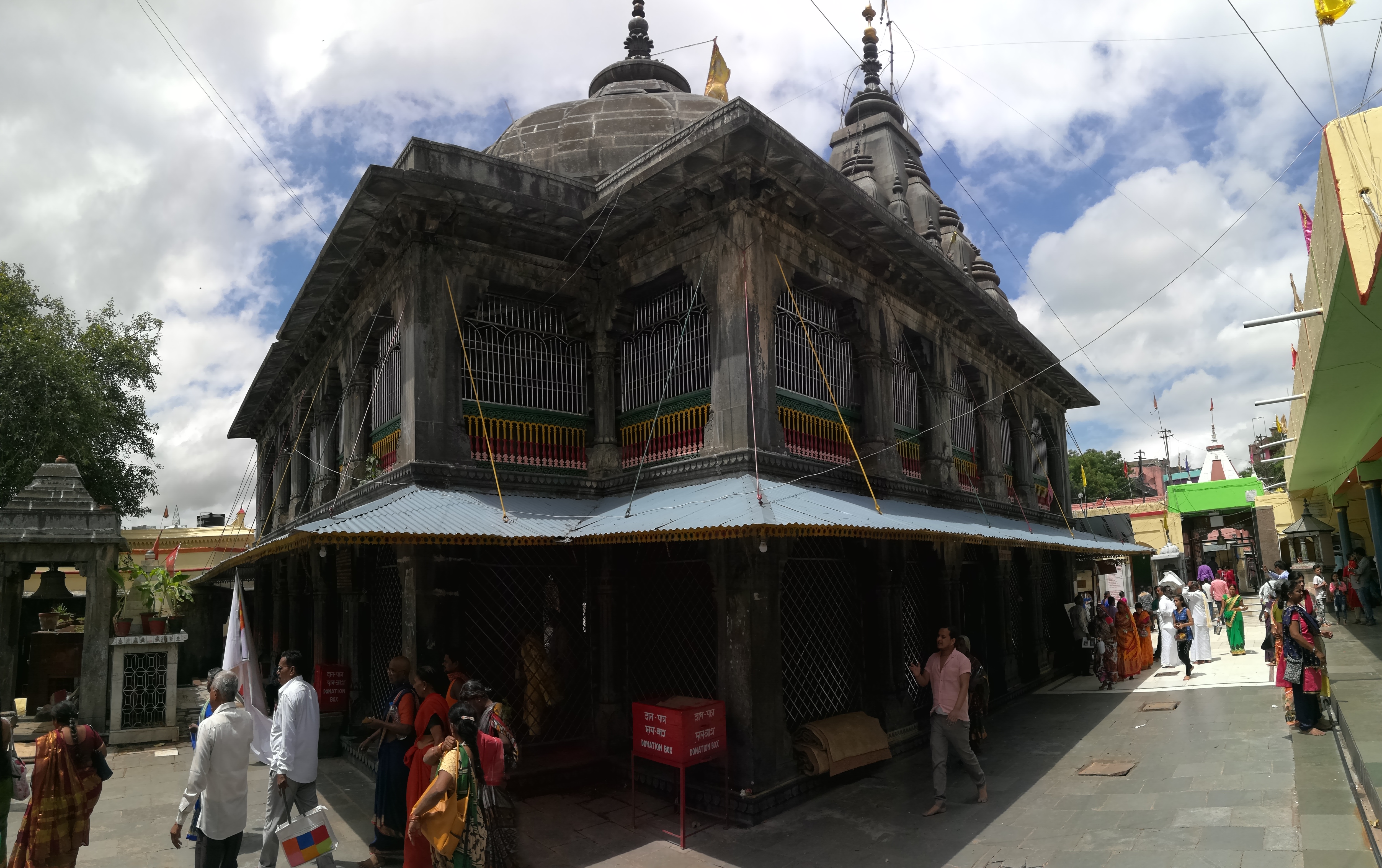
Gaya, India
Data updated Sep 3, 2026
📊 Scores
Best fit: FIRE / Geoarbitrage (score: 80)
Religious tourism dominates the economic landscape, with thousands of pilgrims generating revenue for hotels, restaurants, guides, and transport services year-round. Agriculture remains significant in surrounding areas, while small-scale manufacturing and government jobs provide steady employment for locals. The job market for expats is extremely limited — unless you're running a meditation retreat, teaching English informally, or involved in NGO work, earning opportunities are scarce. Most foreigners here are either on spiritual journeys or researchers, not traditional remote workers.
Rent averages $150/month for a decent 1BR in the city center, making housing incredibly affordable by international standards. Public transport relies on auto-rickshaws and buses, though many visitors rent motorcycles for flexibility. Healthcare is basic — government hospitals exist but private clinics offer better service for minor issues. Hindi dominance means English gets you by in tourist areas but nowhere else. Bureaucracy moves at typical Indian pace, so patience is mandatory for any official processes.
The subtropical climate brings scorching summers (40°C+), heavy monsoons, and pleasant winters — plan your stay accordingly. Food centers around simple North Indian vegetarian fare, with some international options catering to Buddhist pilgrims. The expat community is tiny and transient, mostly spiritual seekers and short-term volunteers. Weekends mean temple visits, meditation sessions, or day trips to Bodh Gaya's monasteries. This city suits spiritual seekers and budget travelers, not digital nomads or career-focused expats.
🏚️ Cost of Living
💰 Budgets and Costs
Grocery Basket
Eating Out
Utilities & Lifestyle
Housing
A 1BR in the center runs about $41.9/mo. If your income is in another currency, bank FX fees add up. A multi-currency account can cut that cost.
See low-fee transfersWe may earn a commission at no cost to you.
💰 Real Spend Reports
🛡️ Safety & Crime
(Higher is safer)
(Lower is safer)
Gaya presents moderate-to-high safety concerns for Western expats. The low Safety Index (36) reflects elevated street crime, petty theft, and occasional violent incidents, particularly in crowded areas near the railway station and ghats. Scams targeting foreigners—overcharging, fake tours, gem schemes—are common. Women face particular harassment risks. The city's religious significance draws large crowds during pilgrimages, creating pickpocketing hotspots. Avoid displaying valuables, travel in groups after dark, and stick to established expat areas. Healthcare facilities are limited compared to major Indian cities. For most American retirees or remote workers, larger metros like Delhi or Bangalore offer substantially better safety infrastructure and expat support.
Gaya has a safety index of 36/100. Petty theft and lost belongings are the most common problems for newcomers. Compare travel insurance before you go.
Compare travel insuranceWe may earn a commission at no cost to you.
🏥 Healthcare
🌤️ Climate
Best Months
Climate Notes
Gaya has a hot, humid subtropical climate with scorching summers (April–June), mild winters (December–February), and a monsoon season (July–September) bringing heavy rainfall and high humidity.
💻 Digital Nomad
Community Notes
| Name | Price/mo | Notes |
|---|---|---|
| Regus Gaya | $90 | Regus offers a reliable, professional environment in Gaya. It's a good option for those seeking a standard coworking experience with business support services, located centrally for easy access. |
| Awfis Space Solutions | $75 | While specific Gaya locations need to be confirmed on their website, Awfis is a popular Indian coworking chain. If available in Gaya, it provides a modern, tech-enabled workspace suitable for digital nomads. |
Working remotely from Gaya? Nomad health insurance covers you across borders, month to month.
See nomad insuranceWe may earn a commission at no cost to you.
🧳 Expat Life
Expat Life Notes
A major Buddhist pilgrimage site; expats are mostly long-term spiritual seekers or researchers in religious studies.
Pros
- ✓ Deep spiritual heritage
- ✓ Very affordable
Cons
- ✗ Extreme crowd density during festivals
- ✗ Minimal western amenities
- ✗ Significant language barrier
🛂 Visa Options for India
Many long-stay visas require proof of health insurance. Compare international health plans before you apply.
Compare health insuranceWe may earn a commission at no cost to you.
Not sure which India visa you qualify for?
Answer 10 questions and get a personalized match in under 2 minutes.
Could living/working in Gaya cut years off your work life?
With a 1-bedroom in the center at $34/mo, your FIRE number here might be much lower than you think.
Moving to Gaya? Estimate what an international move would cost and compare mover quotes.
Estimate my move costShare This Guide
Gaya won't stay this cheap forever.
Cost-of-living and visa updates for Gaya and the rest of India. Free with RA Postcards.
By submitting your email address, you will receive a free subscription to RA Postcards and special offers from Rewire Abroad and our affiliates. You can unsubscribe at any time, and we encourage you to read more about our Privacy Policy.