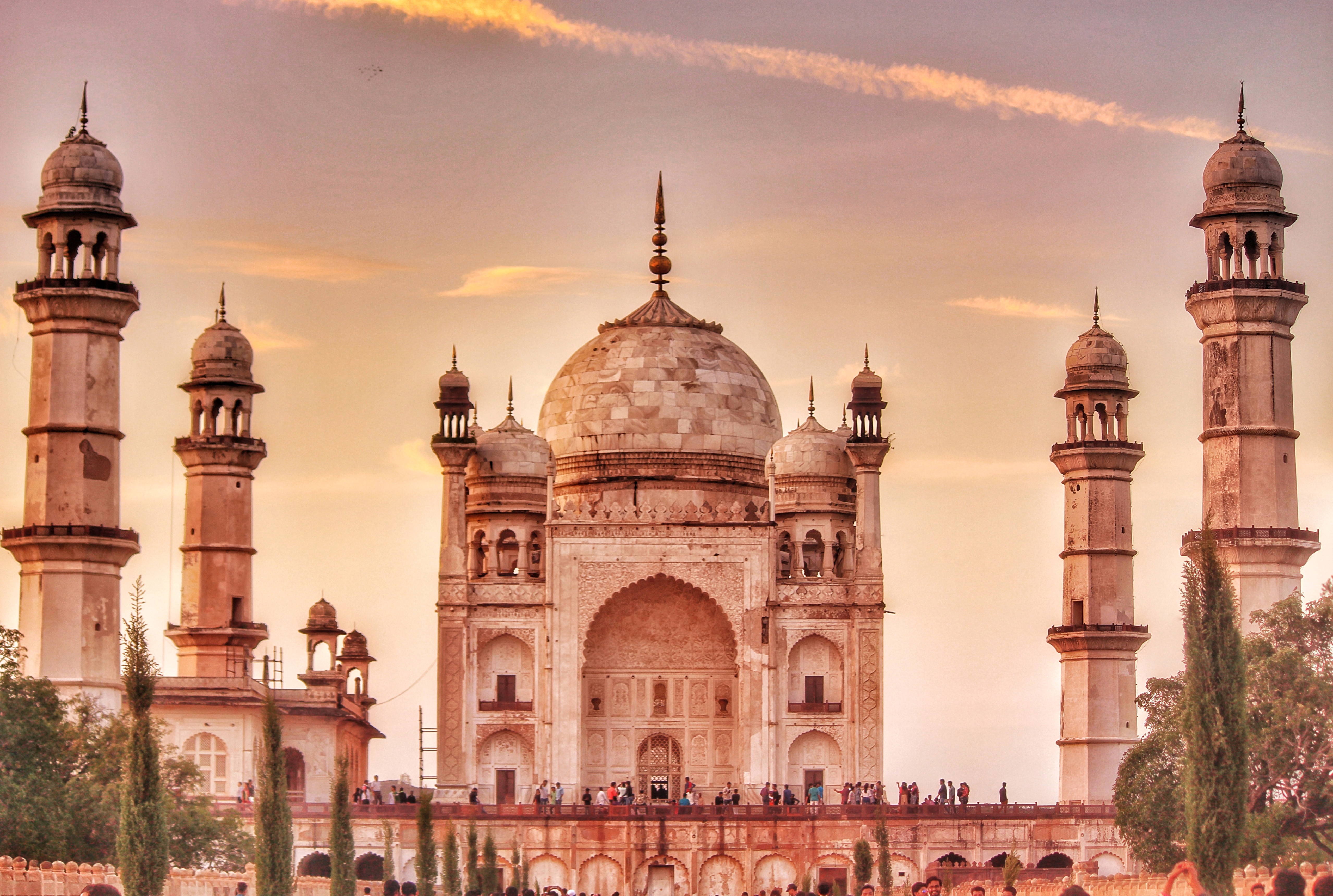
Aurangabad, India
Data updated Sep 3, 2026
📊 Scores
Manufacturing drives most of the formal economy here — cotton textiles, Himroo silk weaving, and automotive components employ a large share of the workforce. The Aurangabad Industrial City (AURIC), launched in 2019 as India's first greenfield smart industrial zone, has attracted pharmaceutical and electronics firms, though job creation has been slower than projected. Heritage tourism around Ajanta and Ellora caves adds a secondary income stream for hospitality and transport workers. Remote workers and digital nomads exist here, but in small numbers — this is primarily a production and trade city.
A one-bedroom in the city center runs around $220/month, and you can eat well for under $5 a day at local dhabas. Auto-rickshaws are the default transport; app-based cabs exist but coverage is inconsistent. Healthcare is a real concern — public hospitals are underfunded, and while private clinics are affordable, serious conditions typically require travel to Pune or Mumbai. The language barrier is significant: Marathi dominates daily life, Hindi gets you by, and English is limited outside educated professional circles. Bureaucracy for visa extensions or business registration is slow and paper-heavy.
Summers are brutal — temperatures regularly hit 40°C (104°F) from April through June — and the monsoon brings relief but also flooding in low-lying areas. Winters from November to February are genuinely pleasant. The food scene leans heavily local: Naan Qalia, Tahri, and Sheer Khurma are worth knowing. The expat community is tiny, mostly academics at Dr. Babasaheb Ambedkar Marathwada University or manufacturing executives on assignment. Weekends mean cave visits, local markets, or day trips to Paithan. This city suits cost-conscious remote workers or retirees who prioritize historical depth and low overhead over expat infrastructure.
🏚️ Cost of Living
💰 Budgets and Costs
Grocery Basket
Eating Out
Utilities & Lifestyle
Housing
A 1BR in the center runs about $220/mo. If your income is in another currency, bank FX fees add up. A multi-currency account can cut that cost.
See low-fee transfersWe may earn a commission at no cost to you.
💰 Real Spend Reports
🛡️ Safety & Crime
(Higher is safer)
(Lower is safer)
Aurangabad is moderately safe for expats, with a Numbeo Safety Index of 62 indicating reasonable security relative to Indian cities. Petty theft, pickpocketing in crowded markets, and scams targeting foreigners are the primary concerns; avoid displaying valuables and use registered taxis or ride-sharing apps. The old city and railway station areas warrant extra caution after dark. Violent crime against expats is uncommon, though occasional communal tensions can flare. Healthcare and infrastructure are adequate for a Tier-2 city. Overall, it's suitable for expats comfortable with typical Indian urban challenges and willing to exercise standard precautions.
Aurangabad has a safety index of 62/100. Petty theft and lost belongings are the most common problems for newcomers. Compare travel insurance before you go.
Compare travel insuranceWe may earn a commission at no cost to you.
🏥 Healthcare
🌤️ Climate
Best Months
Climate Notes
Hot semi-arid climate with intense summers and pleasant winters.
💻 Digital Nomad
Community Notes
| Name | Price/mo | Notes |
|---|---|---|
| Regus Aurangabad | $90 | Regus offers a reliable, professional environment in Aurangabad. Located in a central business district, it provides standard amenities like high-speed internet, meeting rooms, and administrative support, making it suitable for expats seeking a familiar and functional workspace. |
| Work Zone Coworking Space | $75 | Work Zone Coworking Space provides a collaborative environment with essential amenities like Wi-Fi, printing, and meeting rooms. It's a good option for digital nomads looking for a budget-friendly and community-focused workspace in Aurangabad. |
Working remotely from Aurangabad? Nomad health insurance covers you across borders, month to month.
See nomad insuranceWe may earn a commission at no cost to you.
🧳 Expat Life
Expat Life Notes
A gateway to the Ellora and Ajanta caves; expat life is mostly transient.
Pros
- ✓ Incredible historical sites
- ✓ Affordable
- ✓ Growing industrial sector
Cons
- ✗ Intense summer heat
- ✗ Limited English prevalence
- ✗ No expat social scene
🛂 Visa Options for India
Many long-stay visas require proof of health insurance. Compare international health plans before you apply.
Compare health insuranceWe may earn a commission at no cost to you.
Not sure which India visa you qualify for?
Answer 10 questions and get a personalized match in under 2 minutes.
Could living/working in Aurangabad cut years off your work life?
With a 1-bedroom in the center at $220/mo, your FIRE number here might be much lower than you think.
Moving to Aurangabad? Estimate what an international move would cost and compare mover quotes.
Estimate my move costShare This Guide
Aurangabad won't stay this cheap forever.
Cost-of-living and visa updates for Aurangabad and the rest of India. Free with RA Postcards.
By submitting your email address, you will receive a free subscription to RA Postcards and special offers from Rewire Abroad and our affiliates. You can unsubscribe at any time, and we encourage you to read more about our Privacy Policy.