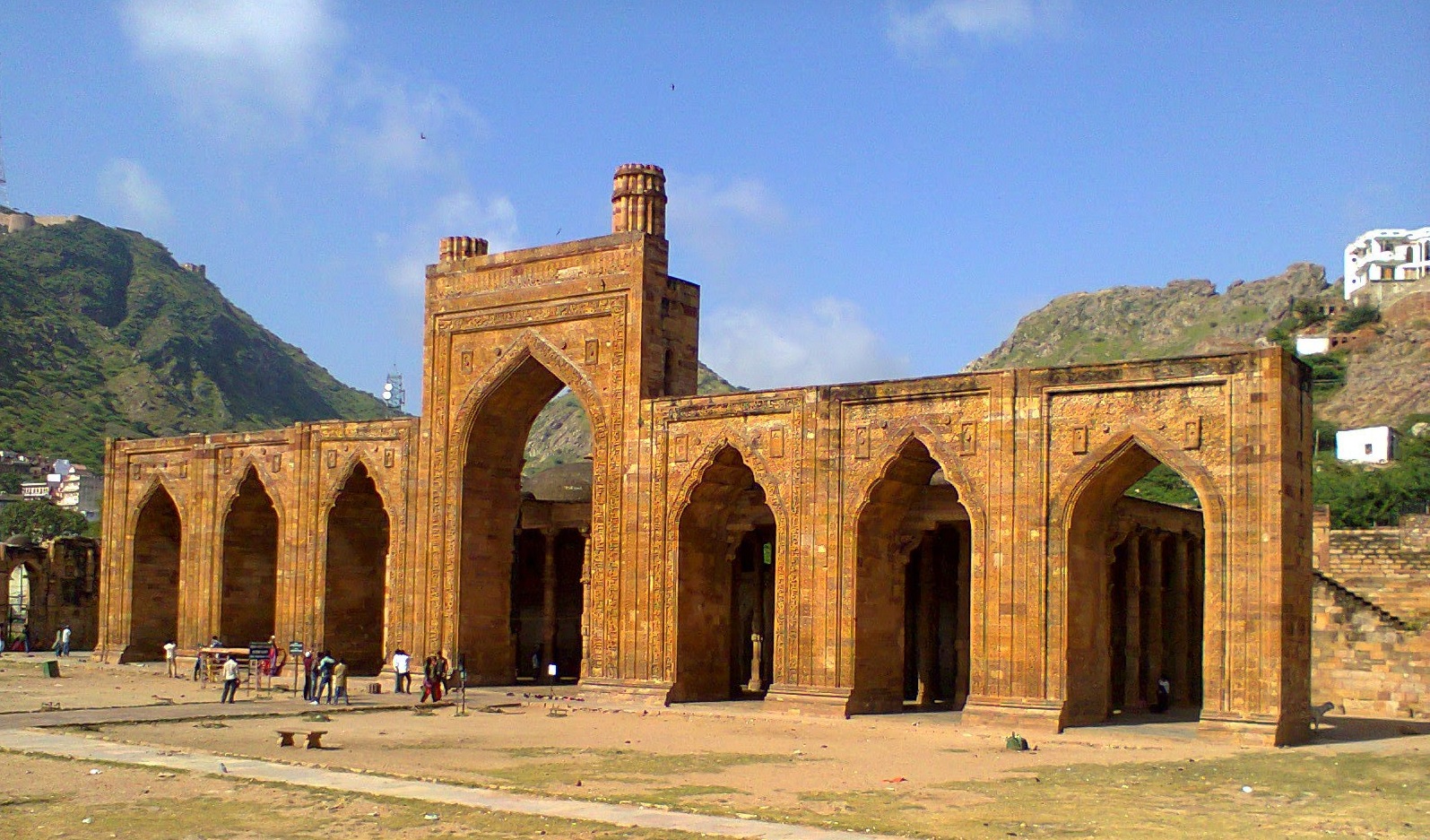
Ajmer, India
Data updated Sep 3, 2026
📊 Scores
Pilgrimage tourism is the economic engine here — the Dargah Sharif alone draws hundreds of thousands of visitors annually, sustaining a dense ecosystem of hotels, food stalls, transport operators, and souvenir vendors. Beyond that, handicrafts, marble carving, and textiles employ a significant share of the workforce, mostly in small family-run operations rather than formal companies. Government administration and banking are the other stable employment pillars. Remote workers can survive on local income levels, but there is essentially no tech sector, no multinational presence, and no freelance infrastructure to speak of.
A one-bedroom in the city center runs around $220/month, and you can eat well for under $5 a day at local dhabas. That's the upside. The friction is real, though: summers regularly exceed 40°C, making June nearly unbearable without reliable air conditioning, which strains the power grid and causes outages. Healthcare is limited to government hospitals and a handful of private clinics — serious conditions require Jaipur, about 135 km away. English is workable in hotels and government offices but sparse elsewhere. Bureaucracy for visa extensions or residency paperwork will require patience and likely a local fixer.
Winters from November to February are genuinely pleasant — dry, sunny, and cool enough for walking the old city. The food scene leans heavily on Rajasthani staples: dal baati churma, kachori, and strong chai at every corner. There is no meaningful expat community here; you will likely be the only long-term foreign resident in your neighborhood. Weekends mean exploring Taragarh Fort, Ana Sagar Lake, or day-tripping to Pushkar, 15 km away. This city suits a specific type: someone pursuing deep-budget FIRE who genuinely wants cultural immersion over expat amenities and can handle isolation without a safety net.
🏚️ Cost of Living
💰 Budgets and Costs
Grocery Basket
Eating Out
Utilities & Lifestyle
Housing
A 1BR in the center runs about $83.8/mo. If your income is in another currency, bank FX fees add up. A multi-currency account can cut that cost.
See low-fee transfersWe may earn a commission at no cost to you.
💰 Real Spend Reports
🛡️ Safety & Crime
(Higher is safer)
(Lower is safer)
Ajmer is moderately safe for expats, with a Safety Index of 58 suggesting manageable risk levels. Petty theft, pickpocketing in crowded markets, and scams targeting foreigners are the primary concerns; avoid displaying valuables and use registered taxis. The old city and pilgrimage areas attract opportunistic crime. Violent crime against expats is rare, but political tensions during religious festivals warrant caution. Women expats should exercise standard precautions. Overall, with sensible awareness and local knowledge, Ajmer is viable for remote workers or retirees seeking an authentic, affordable Indian experience—not a major safety concern, but requires vigilance.
Ajmer has a safety index of 58/100. Petty theft and lost belongings are the most common problems for newcomers. Compare travel insurance before you go.
Compare travel insuranceWe may earn a commission at no cost to you.
🏥 Healthcare
🌤️ Climate
Best Months
Climate Notes
Hot semi-arid climate; very hot summers and mild winters.
💻 Digital Nomad
Community Notes
| Name | Price/mo | Notes |
|---|---|---|
| Regus Ajmer | $110 | Regus offers a reliable, professional environment in Ajmer. Located in a central business district, it provides standard amenities like high-speed internet, meeting rooms, and administrative support, making it a solid choice for expats seeking a familiar and functional workspace. |
| Work Zone Coworking | $75 | Work Zone Coworking provides a collaborative environment in Ajmer. It offers amenities like high-speed internet, meeting rooms, and printing facilities, making it a suitable choice for expats seeking a functional workspace. |
Working remotely from Ajmer? Nomad health insurance covers you across borders, month to month.
See nomad insuranceWe may earn a commission at no cost to you.
🧳 Expat Life
Expat Life Notes
A scenic religious and educational city near Pushkar; relocation is mostly for spiritual or academic reasons.
Pros
- ✓ Beautiful lakes and hills
- ✓ Safe and quiet
- ✓ Deep spiritual heritage
Cons
- ✗ Strictly vegetarian/conservative
- ✗ English limited outside tourism
- ✗ Lack of jobs
🛂 Visa Options for India
Many long-stay visas require proof of health insurance. Compare international health plans before you apply.
Compare health insuranceWe may earn a commission at no cost to you.
Not sure which India visa you qualify for?
Answer 10 questions and get a personalized match in under 2 minutes.
Could living/working in Ajmer cut years off your work life?
With a 1-bedroom in the center at $84/mo, your FIRE number here might be much lower than you think.
Moving to Ajmer? Estimate what an international move would cost and compare mover quotes.
Estimate my move costShare This Guide
Ajmer won't stay this cheap forever.
Cost-of-living and visa updates for Ajmer and the rest of India. Free with RA Postcards.
By submitting your email address, you will receive a free subscription to RA Postcards and special offers from Rewire Abroad and our affiliates. You can unsubscribe at any time, and we encourage you to read more about our Privacy Policy.