Agra, India
Data updated Sep 3, 2026
📊 Scores
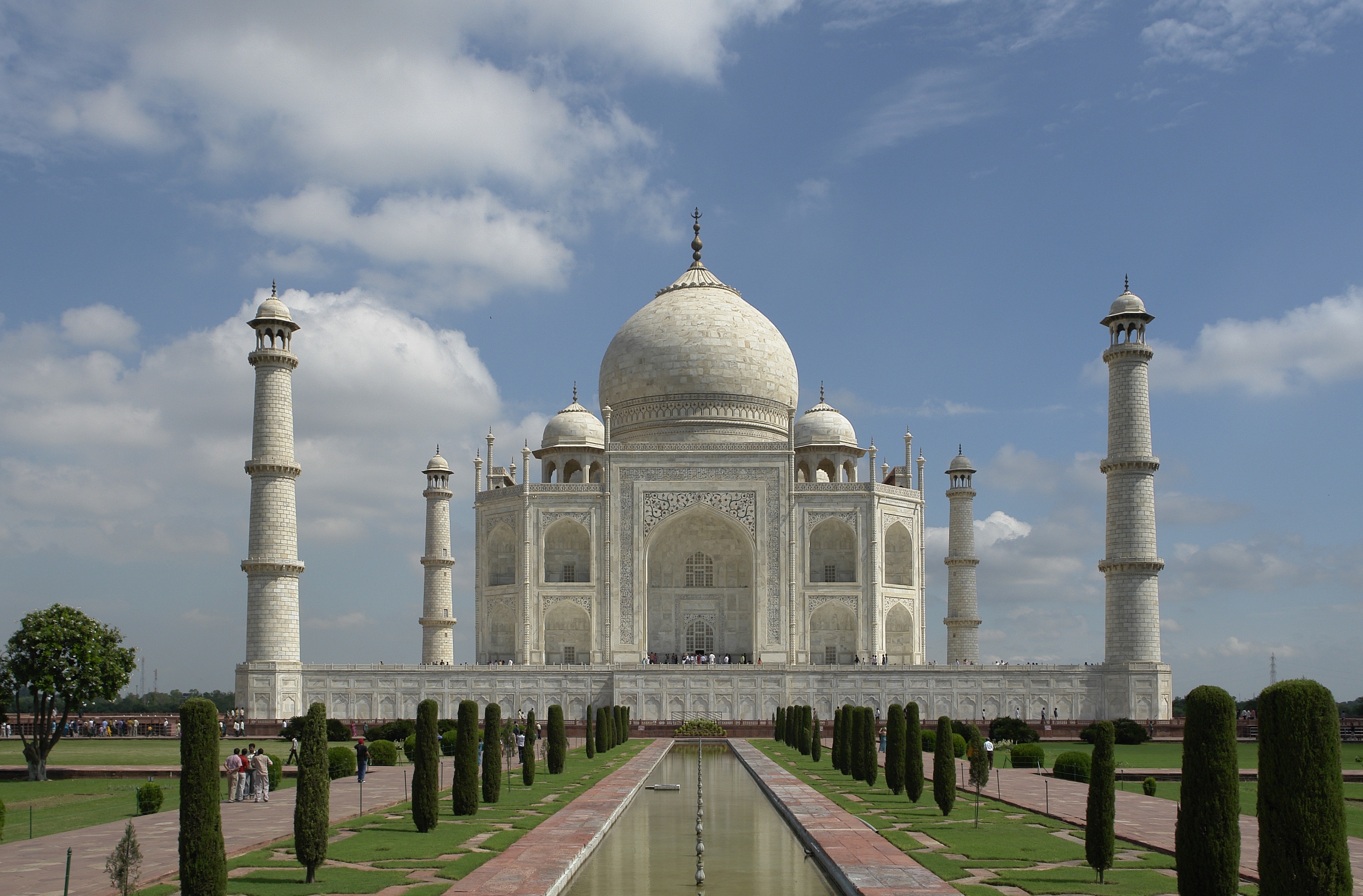
Tourism dominates the economy here in a way that shapes everything else — the Taj Mahal alone draws roughly 7–8 million visitors annually, and a significant portion of local employment flows from that single fact: guides, hotels, restaurants, souvenir manufacturing, and transport. Beyond tourism, Agra runs on leather and footwear, with hundreds of small factories and workshops supplying both domestic and export markets. For remote workers or FIRE expats, there are no meaningful local white-collar job opportunities; this is a city you live in cheaply, not one where you build a local career.
A one-bedroom in the city center runs around $200/month, and you can find decent places further out for $100–130. Street food and local restaurants are genuinely cheap — a full meal under $2 is normal. Healthcare is the honest friction point: public facilities are underfunded and overcrowded, and expats rely on private clinics, which are adequate for routine care but limited for anything serious, requiring a trip to Delhi. Hindi is essential; English gets you through tourist zones but fails you at government offices, hospitals, and landlord negotiations. Bureaucracy for long-stay visas means regular border runs or e-visa renewals — India has no straightforward long-term residency path.
Summers are brutal — temperatures regularly hit 45°C (113°F) from May through June, and the monsoon from July to September brings humidity and flooding in low-lying areas. The genuinely pleasant window is November through February. Mughlai food is a real draw: petha, biryani, and kebabs from old-city restaurants are legitimately excellent. The expat community is tiny and mostly transient — backpackers and short-stay tourists, not settlers. Weekends mean the monuments, day trips to Fatehpur Sikri, or the train to Delhi for anything the city lacks. Agra suits budget-focused FIRE retirees or slow travelers who want low costs and historical depth and can tolerate isolation from any real expat network.
🏚️ Cost of Living
💰 Budgets and Costs
Grocery Basket
Eating Out
Utilities & Lifestyle
Housing
A 1BR in the center runs about $200/mo. If your income is in another currency, bank FX fees add up. A multi-currency account can cut that cost.
See low-fee transfersWe may earn a commission at no cost to you.
💰 Real Spend Reports
🛡️ Safety & Crime
(Higher is safer)
(Lower is safer)
Agra presents moderate safety challenges typical of large Indian cities. Petty theft, pickpocketing, and scams targeting foreigners occur regularly, especially near tourist areas and markets. Women face harassment concerns; avoid walking alone after dark. Violent crime against expats is uncommon, but traffic accidents and poor road conditions pose real hazards. The city's infrastructure and sanitation issues create health risks. For Americans accustomed to Western safety standards, Agra requires vigilance—stay in established expat neighborhoods, use registered taxis, and maintain situational awareness. It's manageable for experienced expats but demands adaptation.
Agra has a safety index of 50/100. Petty theft and lost belongings are the most common problems for newcomers. Compare travel insurance before you go.
Compare travel insuranceWe may earn a commission at no cost to you.
🏥 Healthcare
🌤️ Climate
Best Months
Climate Notes
Semi-arid climate; summers are intensely hot with occasional dust storms.
💻 Digital Nomad
Community Notes
| Name | Price/mo | Notes |
|---|---|---|
| Regus Agra, TDI Center | $110 | Located in the TDI Center, this Regus location offers a professional environment with standard amenities. It's a reliable option for those seeking a familiar coworking experience in a central area of Agra. |
| Aura Business Center | $90 | Aura Business Center provides a modern workspace with essential facilities. It's situated in a commercial area, offering convenient access to local businesses and services, suitable for remote workers needing a professional setting. |
| Awfis Space Solutions - Agra | $100 | Awfis offers a range of flexible workspace options with modern amenities. This location provides a professional and productive environment for digital nomads and remote workers in Agra. |
Working remotely from Agra? Nomad health insurance covers you across borders, month to month.
See nomad insuranceWe may earn a commission at no cost to you.
🧳 Expat Life
Expat Life Notes
Agra is a major tourist destination with a small, transient expat community and high infrastructure issues.
Pros
- ✓ Home to the Taj Mahal
- ✓ Rich history
- ✓ Very low cost
Cons
- ✗ Persistent tourist targeting/scams
- ✗ Severe traffic and air pollution
- ✗ Noise pollution
🛂 Visa Options for India
Many long-stay visas require proof of health insurance. Compare international health plans before you apply.
Compare health insuranceWe may earn a commission at no cost to you.
Not sure which India visa you qualify for?
Answer 10 questions and get a personalized match in under 2 minutes.
Could living/working in Agra cut years off your work life?
With a 1-bedroom in the center at $200/mo, your FIRE number here might be much lower than you think.
Moving to Agra? Estimate what an international move would cost and compare mover quotes.
Estimate my move costShare This Guide
Agra won't stay this cheap forever.
Cost-of-living and visa updates for Agra and the rest of India. Free with RA Postcards.
By submitting your email address, you will receive a free subscription to RA Postcards and special offers from Rewire Abroad and our affiliates. You can unsubscribe at any time, and we encourage you to read more about our Privacy Policy.