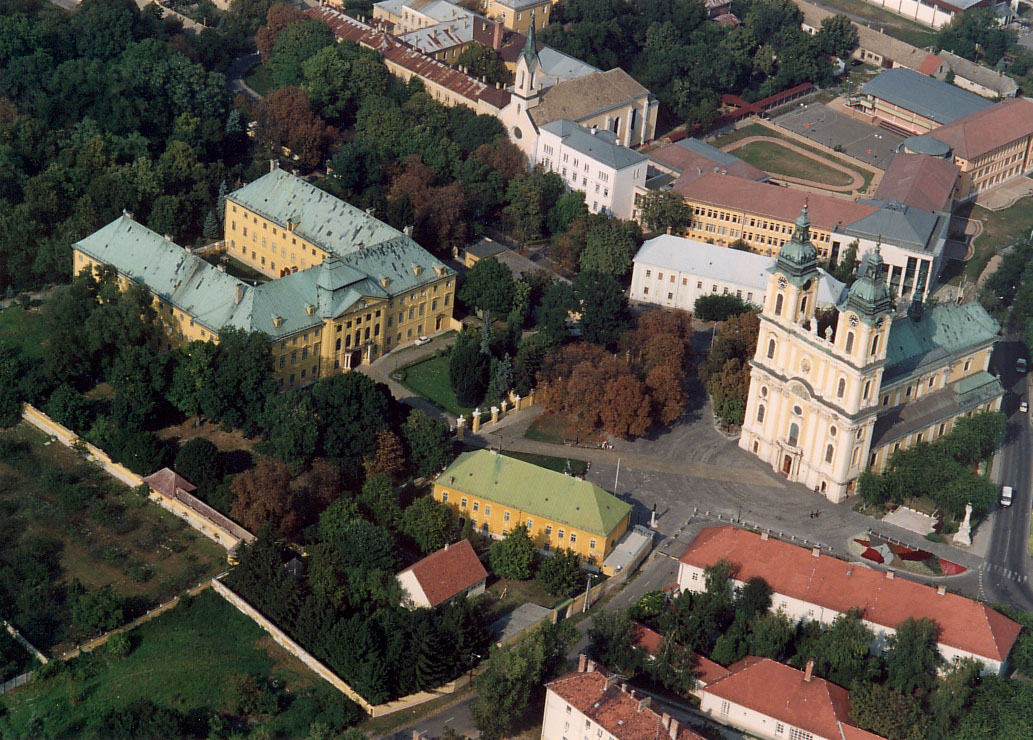
Kalocsa, Hungary
Data updated Sep 3, 2026
📊 Scores
Kalocsa's economy revolves almost entirely around paprika—the town produces some of Hungary's finest, exported globally. The Catholic Archbishopric, seminary, teacher-training colleges, and astronomical observatory provide steady institutional employment, but these are modest employers. Agriculture dominates: paprika, fruit, cereals, flax, and hemp cultivation sustain most households. Remote work or freelancing is realistic; local job creation is minimal. You won't find tech startups or multinational offices here.
Rent runs $410/month for a one-bedroom city center, utilities included in many cases. The 1882 railway connects you to Budapest (142 km north, ~2 hours), but local transport is basic—a car helps significantly. Healthcare exists but serious issues mean Budapest trips. Hungarian is essential; English is rare outside tourism contexts. Bureaucracy for residency is standard EU friction: expect 4–6 weeks for paperwork. Internet is reliable; water quality is good.
Summers are warm and dry; winters are cold and grey. Food is hearty Hungarian fare—paprika features heavily, obviously. The expat community is tiny; you'll meet retirees and agricultural workers, not digital nomads. Weekends mean cycling the Danube floodplain, visiting the cathedral, or driving to Budapest. Kalocsa suits early retirees on tight budgets, agricultural professionals, or people seeking genuine rural quiet—not anyone needing career momentum or nightlife.
🏚️ Cost of Living
💰 Budgets and Costs
Grocery Basket
Eating Out
Utilities & Lifestyle
Housing
A 1BR in the center runs about $410/mo. If your income is in another currency, bank FX fees add up. A multi-currency account can cut that cost.
See low-fee transfersWe may earn a commission at no cost to you.
💰 Real Spend Reports
🛡️ Safety & Crime
(Higher is safer)
(Lower is safer)
Kalocsa is a genuinely safe small Hungarian town with low violent crime and minimal street crime—well-suited for expats seeking a quiet, secure environment. Petty theft and pickpocketing are rare concerns here. The main risks are typical for rural Hungary: occasional scams targeting foreigners unfamiliar with local banking practices, and the need for standard precautions around valuables. As a small provincial town, there are no particular neighborhoods to avoid. The broader Hungary-EU context is stable. For Americans accustomed to mid-sized U.S. cities, Kalocsa will feel noticeably safer and more relaxed, though you'll need to adapt to limited English and fewer expat services.
🏥 Healthcare
🌤️ Climate
Best Months
Climate Notes
Kalocsa has a continental climate with warm summers (June-August around 21°C) and cold winters (December-February around 1°C), featuring moderate rainfall year-round and occasional fog in autumn and winter.
💻 Digital Nomad
Community Notes
| Name | Price/mo | Notes |
|---|---|---|
| Kalocsa Városi Könyvtár (Library) - Potential Coworking | $15 | While not a dedicated coworking space, the Kalocsa City Library offers a quiet, reliable internet connection and a central location. It's a budget-friendly option for focused work, especially if you appreciate a calm environment and are comfortable working alongside locals. |
| Kulturális Központ (Cultural Center) - Potential Coworking | $20 | Similar to the library, the Cultural Center may offer ad-hoc workspace options. Check with them directly for availability and pricing. It's centrally located and could provide a more social atmosphere than the library. |
Planning to live in Kalocsa long-term? Hungary White Card (Digital Nomad Visa) lets remote workers live legally with a minimum income of $3,426/month.
View full requirements →Working remotely from Kalocsa? Nomad health insurance covers you across borders, month to month.
See nomad insuranceWe may earn a commission at no cost to you.
🧳 Expat Life
Expat Life Notes
Kalocsa is a small Hungarian town in the southern plains known for paprika and folk art. It has essentially no expat community and very limited English proficiency. Best estimated as a very challenging place for relocation.
Pros
- ✓ Very low cost of living
- ✓ Authentic Hungarian culture
- ✓ Peaceful environment
Cons
- ✗ No English spoken
- ✗ No expat resources
- ✗ Limited healthcare and services
🛂 Visa Options for Hungary
Many long-stay visas require proof of health insurance. Compare international health plans before you apply.
Compare health insuranceWe may earn a commission at no cost to you.
Earning over $1,592/mo? You may qualify for a Hungary visa.
Answer 10 questions and get a personalized match in under 2 minutes.
Could living/working in Kalocsa cut years off your work life?
With a 1-bedroom in the center at $164/mo, your FIRE number here might be much lower than you think.
Moving to Kalocsa? Estimate what an international move would cost and compare mover quotes.
Estimate my move costShare This Guide
Kalocsa won't stay this cheap forever.
Cost-of-living and visa updates for Kalocsa and the rest of Hungary. Free with RA Postcards.
By submitting your email address, you will receive a free subscription to RA Postcards and special offers from Rewire Abroad and our affiliates. You can unsubscribe at any time, and we encourage you to read more about our Privacy Policy.