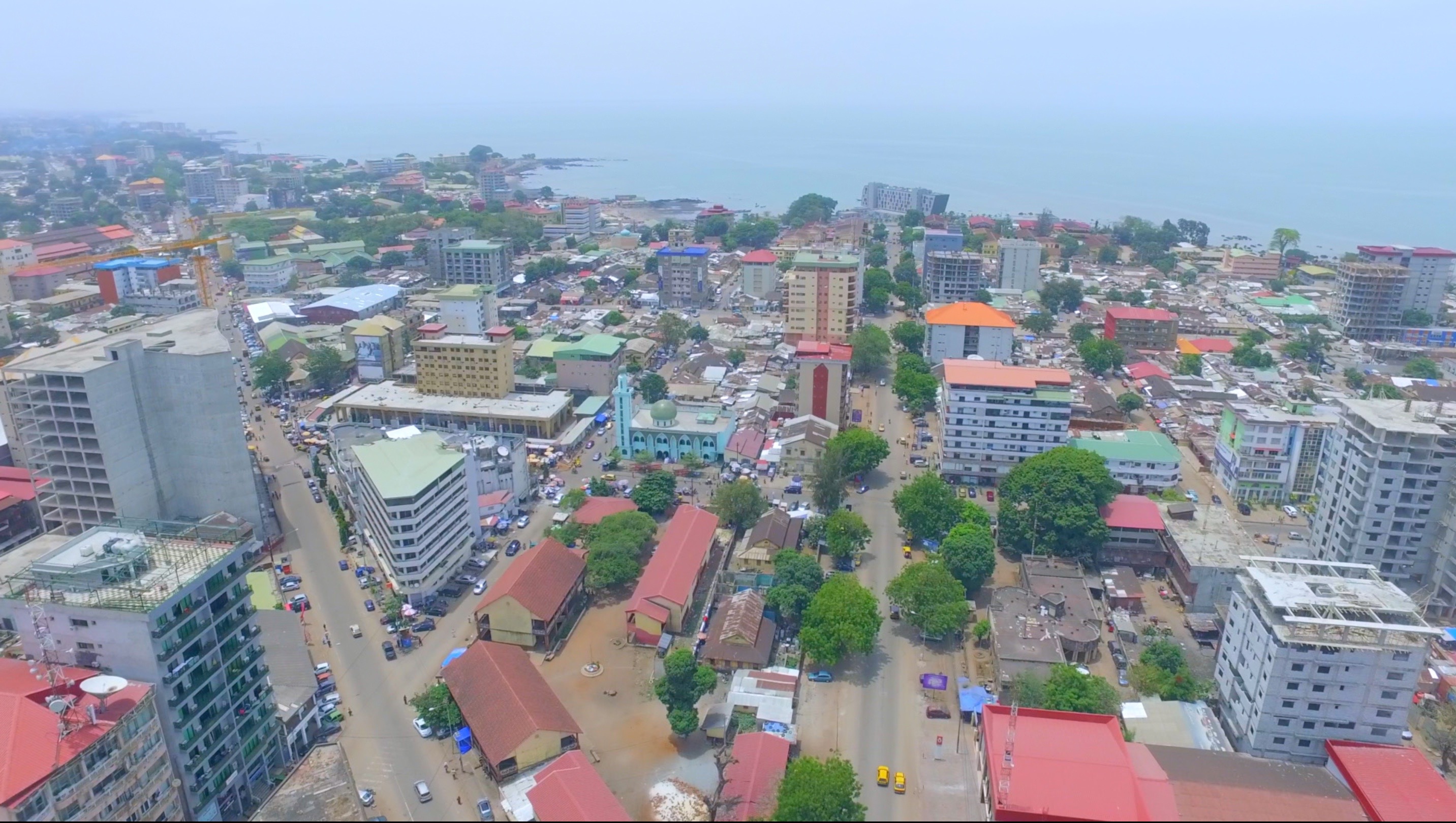
Conakry, Guinea
Data updated Sep 29, 2026
📊 Scores
Best fit: FIRE / Geoarbitrage (score: 59)
Mining money runs this city. Bauxite and gold exports — Guinea holds roughly a third of the world's bauxite reserves — flow through Conakry's port, making port logistics, mining services, and commodity trading the dominant economic engines. Major players include Rio Tinto, Société Minière de Boké, and state entities like Guinée Alumine. For expats, the realistic employment paths are NGO work, mining sector contracts, or diplomatic postings. Freelancers and remote workers will find infrastructure too unreliable to depend on.
A one-bedroom in the city center runs around $600/month — steep for West Africa, driven by expat demand and import costs. Electricity cuts are frequent and unpredictable; a generator is not optional, it's a monthly budget line. Water supply is similarly inconsistent. Getting around means bush taxis or hiring a private driver, since formal transit barely exists for a city of 3.4 million. French is the official language and genuinely necessary — English gets you almost nowhere outside mining company offices. Bureaucracy is slow, opaque, and occasionally requires patience measured in weeks.
The rainy season from May through October dumps nearly 3,800mm of rain, flooding roads and making basic movement miserable for months. The dry season is hot and dusty but functional. Food is affordable at local markets — rice-based dishes, fresh fish, and grilled meat are cheap and good. The Ratoma district has a real nightlife scene built around live music, which is one of Conakry's genuine strengths. The expat community is small and clustered around mining and aid sectors. This city suits contract workers on hardship packages or NGO professionals who knew what they were signing up for.
🏚️ Cost of Living
💰 Budgets and Costs
Grocery Basket
Eating Out
Utilities & Lifestyle
Housing
A 1BR in the center runs about $600/mo. If your income is in another currency, bank FX fees add up. A multi-currency account can cut that cost.
See low-fee transfersWe may earn a commission at no cost to you.
💰 Real Spend Reports
🛡️ Safety & Crime
(Higher is safer)
(Lower is safer)
Conakry presents significant safety challenges for expats. With a Safety Index of 23, crime is prevalent—petty theft, armed robbery, and carjacking occur regularly, particularly after dark and in crowded markets like Kindia. Avoid displaying valuables, traveling alone at night, and certain neighborhoods including Matoto and Dixinn after hours. Political instability and occasional civil unrest add complexity. While expat communities exist and some manage safely with precautions, this city requires serious security awareness and isn't recommended for those seeking a relaxed retirement environment.
Conakry has a safety index of 23/100. Petty theft and lost belongings are the most common problems for newcomers. Compare travel insurance before you go.
Compare travel insuranceWe may earn a commission at no cost to you.
🏥 Healthcare
🌤️ Climate
Best Months
Climate Notes
Tropical monsoon climate; experiences extreme rainfall during the summer months.
💻 Digital Nomad
Community Notes
| Name | Price/mo | Notes |
|---|---|---|
| GUILAB | $75 | A tech and innovation hub in Conakry, GUILAB offers coworking spaces, training programs, and community events. It's a good option for digital nomads looking to connect with local entrepreneurs and tech professionals in the Coleah neighborhood. |
| Orange Digital Center Guinea | $60 | Located in Almamya, this center provides a collaborative workspace, digital skills training, and support for startups. It's a good option for remote workers seeking a modern, tech-focused environment and networking opportunities. |
Working remotely from Conakry? Nomad health insurance covers you across borders, month to month.
See nomad insuranceWe may earn a commission at no cost to you.
🧳 Expat Life
Expat Life Notes
A port city with a busy mining economy. Expat life is mostly restricted to high-end hotels and secure compounds.
Pros
- ✓ Booming mining opportunities
- ✓ Vibrant music scene
- ✓ Ocean breeze
Cons
- ✗ Chaotic traffic and pollution
- ✗ Unreliable utilities
- ✗ High cost of secure housing
Could living/working in Conakry cut years off your work life?
With a 1-bedroom in the center at $600/mo, your FIRE number here might be much lower than you think.
Estimate the cost of moving to Conakry, Guinea
Get a free moving cost estimate for moving to Conakry, Guinea. Takes 10 seconds.
How much are you shipping?
When are you moving?
Powered by Sirelo. Free quotes from verified international movers.
Share This Guide
Conakry won't stay this cheap forever.
Cost-of-living and visa updates for Conakry and the rest of Guinea. Free with RA Postcards.
By submitting your email address, you will receive a free subscription to RA Postcards and special offers from Rewire Abroad and our affiliates. You can unsubscribe at any time, and we encourage you to read more about our Privacy Policy.