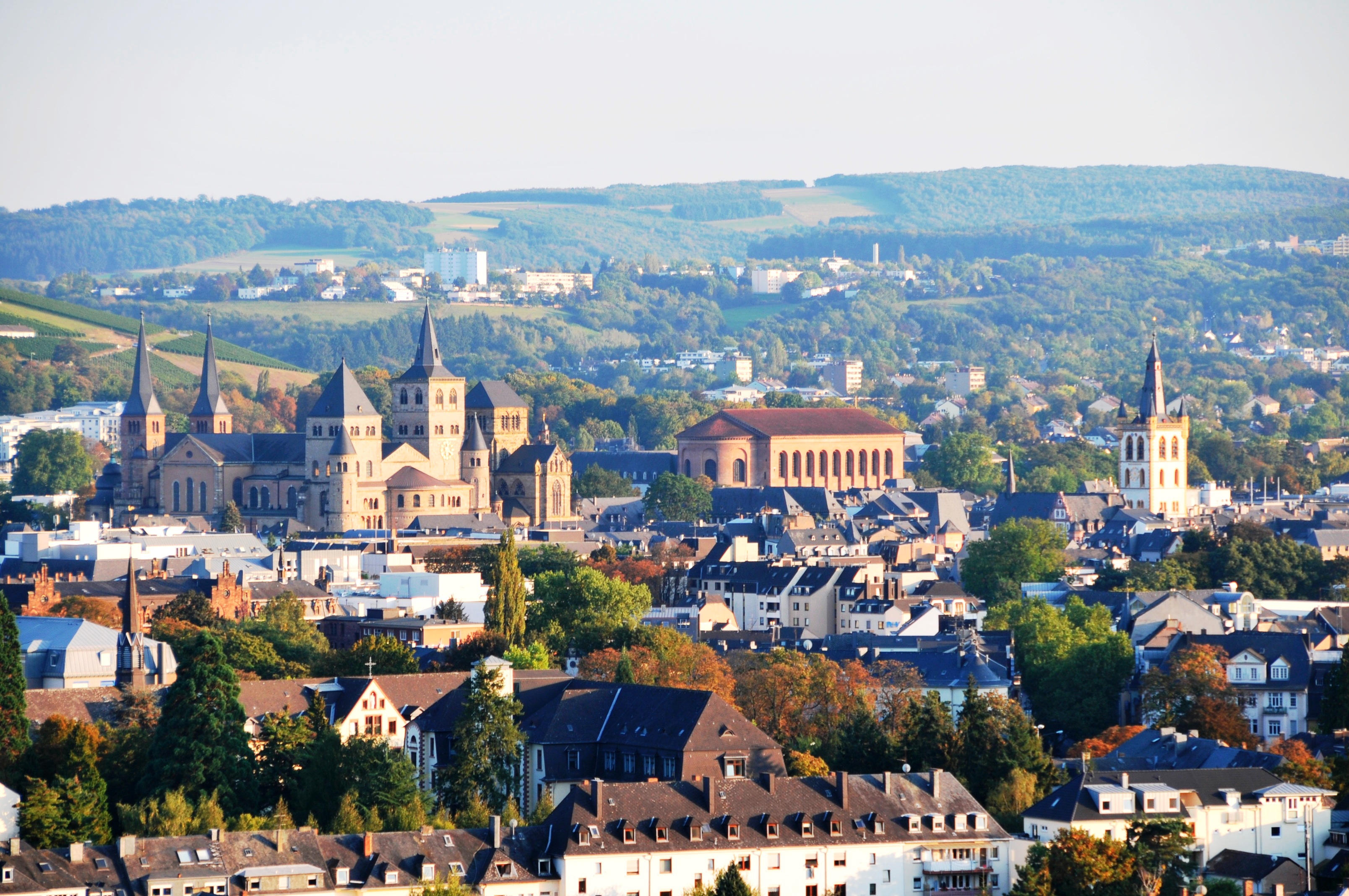
Trier, Germany
Data updated Sep 29, 2026
📊 Scores
Best fit: FIRE / Geoarbitrage (score: 72)
Wine production dominates the economic landscape here, with the Moselle valley's vineyards employing thousands in everything from grape harvesting to wine marketing. The University of Trier serves as the city's largest employer, creating a knowledge economy bubble that supports professors, researchers, and administrative staff. Tourism provides seasonal work through hotels and restaurants serving visitors to the Roman ruins, though these jobs often pay minimum wage. Beyond wine and academia, you'll find typical German public sector positions and small manufacturing, but don't expect startup culture or tech opportunities.
Rent averages $850 monthly for a city center one-bedroom, reasonable by German standards but steep given local salaries. Public transport relies mainly on buses since Trier lacks a metro system, though rail connections to Luxembourg City (45 minutes) open cross-border work possibilities. Healthcare follows Germany's excellent public system, but expect bureaucracy when registering with local authorities — the Ausländerbehörde moves slowly. German fluency isn't optional here; unlike Berlin or Munich, English won't get you far in daily life or most jobs.
The climate stays mild year-round, perfect for cycling along the Moselle or hiking nearby forests, though winters bring persistent gray skies that can feel oppressive. Food centers on hearty German fare and local Rieslings, with a small but decent restaurant scene boosted by university students. The expat community numbers maybe 200-300 people, mostly academics and a few cross-border workers from Luxembourg. Weekend activities revolve around wine tastings, Roman history tours, and outdoor pursuits. This city suits academics, wine industry professionals, or retirees seeking small-town German life with cultural depth.
🏚️ Cost of Living
💰 Budgets and Costs
Grocery Basket
Eating Out
Utilities & Lifestyle
Housing
A 1BR in the center runs about $724.05/mo. If your income is in another currency, bank FX fees add up. A multi-currency account can cut that cost.
See low-fee transfersWe may earn a commission at no cost to you.
💰 Real Spend Reports
🛡️ Safety & Crime
(Higher is safer)
(Lower is safer)
Trier is exceptionally safe for expats, with a Numbeo Safety Index of 90/100 reflecting low violent crime and strong community policing. Petty theft and pickpocketing occur occasionally in the city center and train station, typical for any German city. The main risks are minor: bike theft, opportunistic bag snatching in crowded areas, and standard scams targeting tourists. No neighborhoods are genuinely dangerous; standard urban awareness suffices. For Americans accustomed to major U.S. cities, Trier feels notably secure with reliable emergency services and well-lit public spaces. This is a genuinely safe choice for remote workers or retirees.
🏥 Healthcare
🌤️ Climate
Best Months
Climate Notes
Oceanic climate with mild summers and cool winters in the Moselle valley.
💻 Digital Nomad
Community Notes
| Name | Price/mo | Notes |
|---|---|---|
| Regus Trier | $200 | Regus offers a reliable, professional environment in Trier. Located centrally, it provides standard amenities like high-speed internet, meeting rooms, and printing services, making it a convenient option for expats seeking a familiar and functional workspace. |
| Impact Hub Saarbrücken | $180 | While technically in Saarbrücken, it's a reasonable commute from Trier and part of the global Impact Hub network. This coworking space focuses on social impact and offers a collaborative environment, workshops, and events, appealing to nomads interested in networking and community. |
| Digitales Innovationszentrum (DIZ) | $150 | The Digital Innovation Center (DIZ) in Trier provides coworking spaces and support for startups and digital professionals. It offers a modern workspace with networking opportunities and access to resources, suitable for expats looking to connect with the local tech scene. |
Working remotely from Trier? Nomad health insurance covers you across borders, month to month.
See nomad insuranceWe may earn a commission at no cost to you.
🧳 Expat Life
Expat Life Notes
Ancient Roman city. Safe and safe but socially local.
Pros
- ✓ Magnificent history
- ✓ Safe
- ✓ Low costs
Cons
- ✗ Quiet nightlife
- ✗ German required
🛂 Visa Options for Germany
Many long-stay visas require proof of health insurance. Compare international health plans before you apply.
Compare health insuranceWe may earn a commission at no cost to you.
Not sure which Germany visa you qualify for?
Answer 10 questions and get a personalized match in under 2 minutes.
Could living/working in Trier cut years off your work life?
With a 1-bedroom in the center at $434/mo, your FIRE number here might be much lower than you think.
Moving to Trier? Estimate what an international move would cost and compare mover quotes.
Estimate my move costShare This Guide
Trier won't stay this cheap forever.
Cost-of-living and visa updates for Trier and the rest of Germany. Free with RA Postcards.
By submitting your email address, you will receive a free subscription to RA Postcards and special offers from Rewire Abroad and our affiliates. You can unsubscribe at any time, and we encourage you to read more about our Privacy Policy.