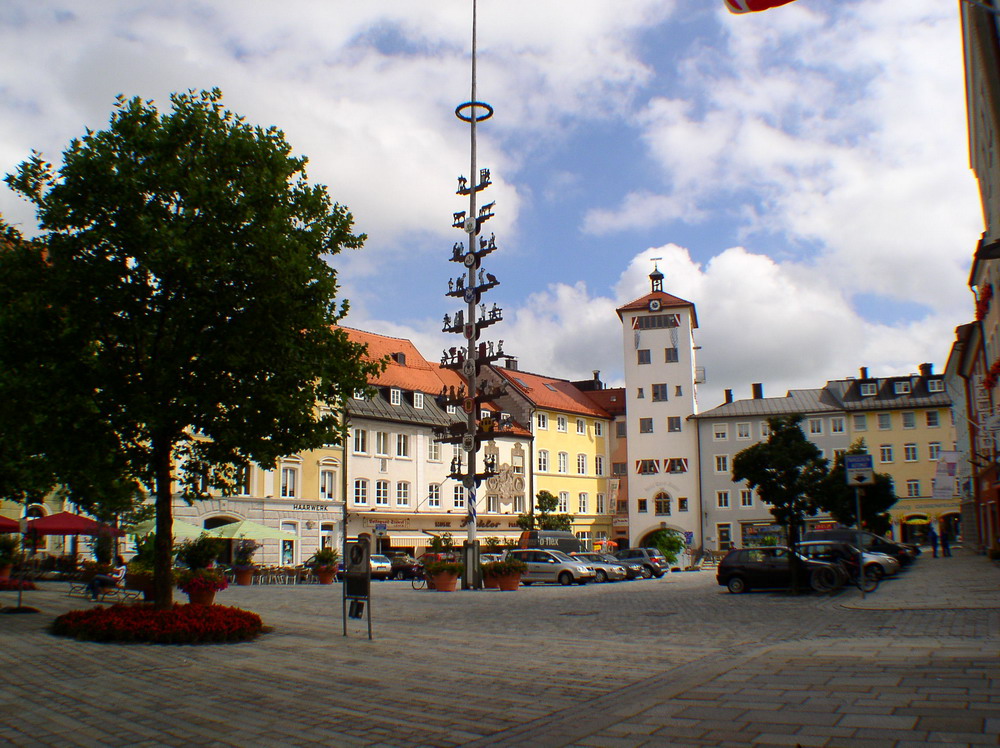
Traunstein, Germany
Data updated Sep 3, 2026
📊 Scores
Best fit: FIRE / Geoarbitrage (score: 68)
Traunstein's economy runs on regional administration, retail, healthcare, and tourism—not startup energy. The district government and hospital are major employers; retail chains and small businesses fill the gaps. Salt production built this place (1786), but that's heritage now. Tourism matters: breweries, the Easter horse parade, and proximity to Alps draw visitors. Most expats here work remote or commute to Salzburg (30 km) or Munich (90 km). Local job hunting is thin unless you speak fluent German and fit into healthcare, education, or public service.
Rent for a 1BR city center runs €850–950/month; outside center, €650–750. Public transport is reliable—regional trains to Salzburg (45 min, €8–12) and Munich work well. Healthcare is excellent and German insurance is mandatory (€300–400/month). Language barrier is real: English proficiency drops sharply outside tourism. Bureaucracy is German-standard: registration, tax ID, health insurance all require patience and German-language documents. Grocery costs are 10–15% higher than Munich. Winter heating bills spike November–March.
Summers are mild (18–22°C), winters cold and snowy (−2 to 2°C). Food is Bavarian: schnitzel, dumplings, beer—excellent if you like that. Social life centers on beer gardens, hiking, and skiing; expat community is small (maybe 200–300 visible). Weekends mean Alps day trips, Salzburg visits, or local brewery runs. Traunstein suits remote workers seeking small-town Alpine life, German language learners, and people who want safety and order over nightlife—not digital nomads seeking buzz.
🏚️ Cost of Living
💰 Budgets and Costs
Grocery Basket
Eating Out
Utilities & Lifestyle
Housing
A 1BR in the center runs about $690.66/mo. If your income is in another currency, bank FX fees add up. A multi-currency account can cut that cost.
See low-fee transfersWe may earn a commission at no cost to you.
💰 Real Spend Reports
🛡️ Safety & Crime
(Higher is safer)
(Lower is safer)
Traunstein is exceptionally safe by any standard, with a Safety Index of 90/100 reflecting low violent crime, minimal property theft, and strong community policing. This small Bavarian town poses virtually no significant safety concerns for expats; petty theft is rare, and scams are uncommon. The main practical considerations are typical for rural Germany—occasional bicycle theft and standard travel precautions—rather than genuine safety risks. For Americans accustomed to major U.S. cities, Traunstein will feel remarkably secure. No geopolitical risks warrant concern. This is an ideal choice for those prioritizing personal safety.
🏥 Healthcare
🌤️ Climate
Best Months
Climate Notes
Traunstein experiences a temperate continental climate with cool summers (June-August around 18°C), cold winters (December-February around -1°C), and significant precipitation year-round, making it ideal for those who enjoy distinct seasons and Alpine proximity.
💻 Digital Nomad
Community Notes
| Name | Price/mo | Notes |
|---|---|---|
| Regus Traunstein | $220 | A reliable option in Maxplatz, offering standard Regus amenities like meeting rooms and business support. Good for those who prefer a professional, predictable environment. |
| Büroservice Chiemgau | $200 | Located in the Kammer area, this business center offers flexible coworking options. It's a good choice for those seeking a more local, German-speaking environment with personalized service. |
Working remotely from Traunstein? Nomad health insurance covers you across borders, month to month.
See nomad insuranceWe may earn a commission at no cost to you.
🧳 Expat Life
Expat Life Notes
Traunstein is a pleasant Bavarian market town near the Austrian border and Chiemsee lake. It attracts a small number of expats, often professionals tied to the region's industry or drawn by the alpine lifestyle. German proficiency is essentially required.
Pros
- ✓ High safety and quality of life
- ✓ Beautiful alpine surroundings
- ✓ Strong Bavarian culture
Cons
- ✗ High cost of living
- ✗ German language essential
- ✗ Small expat community
🛂 Visa Options for Germany
Many long-stay visas require proof of health insurance. Compare international health plans before you apply.
Compare health insuranceWe may earn a commission at no cost to you.
Not sure which Germany visa you qualify for?
Answer 10 questions and get a personalized match in under 2 minutes.
Could living/working in Traunstein cut years off your work life?
With a 1-bedroom in the center at $276/mo, your FIRE number here might be much lower than you think.
Moving to Traunstein? Estimate what an international move would cost and compare mover quotes.
Estimate my move costShare This Guide
Traunstein won't stay this cheap forever.
Cost-of-living and visa updates for Traunstein and the rest of Germany. Free with RA Postcards.
By submitting your email address, you will receive a free subscription to RA Postcards and special offers from Rewire Abroad and our affiliates. You can unsubscribe at any time, and we encourage you to read more about our Privacy Policy.