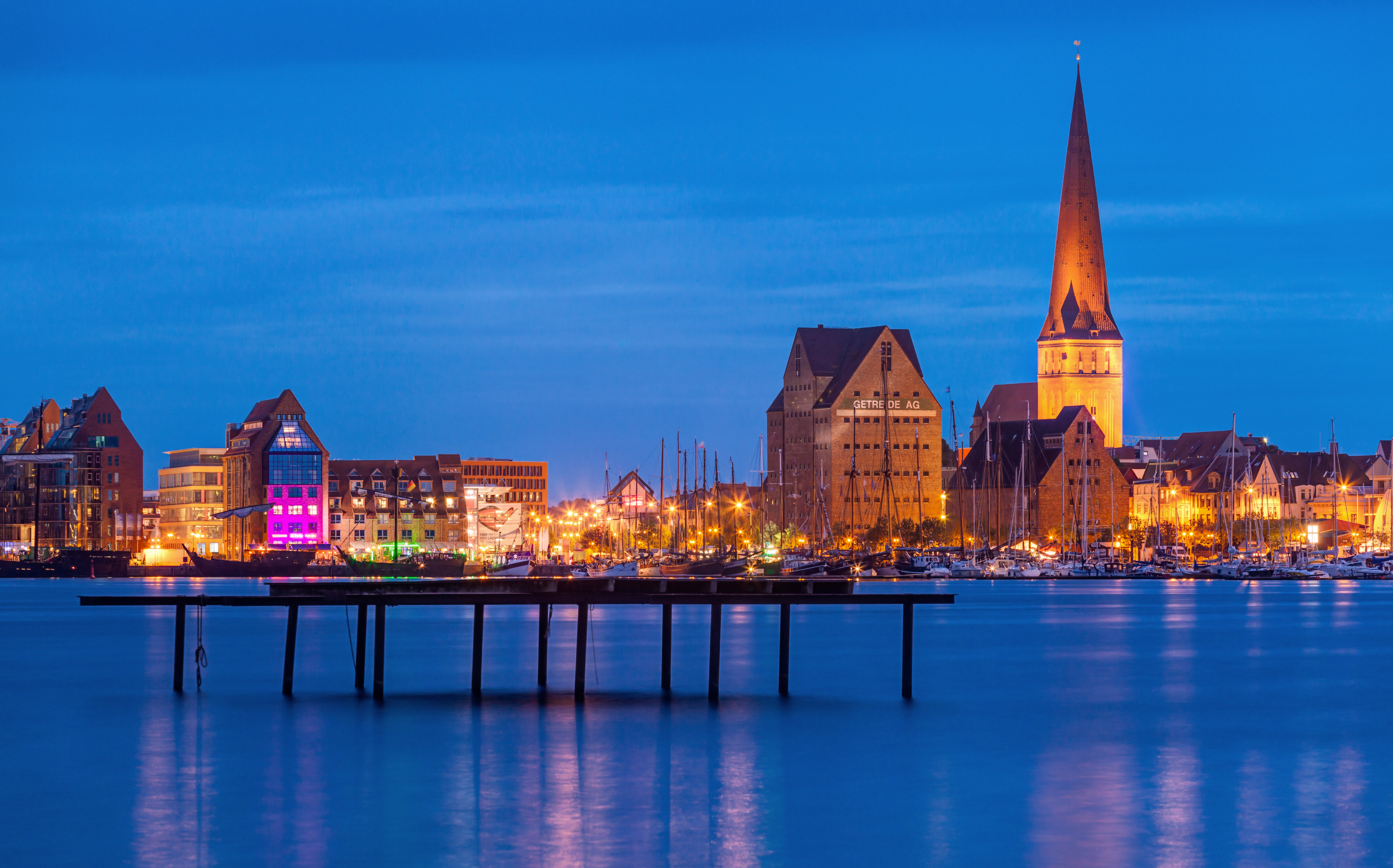
Rostock, Germany
Data updated Sep 29, 2026
📊 Scores
Best fit: FIRE / Geoarbitrage (score: 72)
Maritime industries dominate the economic landscape, with the port handling massive cargo volumes and ferry traffic to Scandinavia. Shipbuilding companies like MV Werften (though recently restructured) and logistics firms provide steady employment alongside port operations. The University of Rostock employs significant numbers in education and healthcare through its medical facilities. Tourism brings seasonal work, particularly around Warnemünde beach resort. Job opportunities for expats exist mainly in logistics, engineering, and university positions, though German language skills are typically essential outside international shipping companies.
Expect to pay around $780 monthly for a one-bedroom apartment in the city center, with suburban options running $500-600. Public transport consists of trams and buses at €2.80 per ride, though many residents bike given the flat terrain. Healthcare access is solid through the university hospital and regional clinics. German bureaucracy applies in full force—expect lengthy residence permit processes and extensive paperwork for everything. The language barrier is real; English works in tourist areas and university settings, but daily life requires functional German for banking, housing, and most services.
Baltic Sea proximity means cool, windy weather year-round with summer highs around 22°C and gray winters. The food scene leans heavily German with decent seafood options and university-area cafes. Weekends involve beach trips to Warnemünde, cycling coastal paths, or ferry day trips to Denmark. The expat community is small but present around the university and port industries. Social life centers on student bars, sailing clubs, and seasonal beach activities. This city works best for people who enjoy maritime environments, don't mind smaller-city pace, and can handle German bureaucracy.
🏚️ Cost of Living
💰 Budgets and Costs
Grocery Basket
Eating Out
Utilities & Lifestyle
Housing
A 1BR in the center runs about $704.56/mo. If your income is in another currency, bank FX fees add up. A multi-currency account can cut that cost.
See low-fee transfersWe may earn a commission at no cost to you.
💰 Real Spend Reports
🛡️ Safety & Crime
(Higher is safer)
(Lower is safer)
Rostock is genuinely safe for expats, with low violent crime and a secure, orderly atmosphere typical of northern Germany. Petty theft and bike theft occur occasionally in the city center and near the train station, but serious crime is rare. The main precautions are standard urban awareness—avoid displaying valuables, stay alert late at night in entertainment districts, and use common sense. No neighborhoods are genuinely dangerous, though the Lütten Klein area has a rougher reputation. For Americans accustomed to major U.S. cities, Rostock will feel notably safer and more predictable. Geopolitical tensions with Russia are distant concerns here; daily life is stable and welcoming.
🏥 Healthcare
🌤️ Climate
Best Months
Climate Notes
Maritime climate with cool summers and mild winters.
💻 Digital Nomad
Community Notes
Working remotely from Rostock? Nomad health insurance covers you across borders, month to month.
See nomad insuranceWe may earn a commission at no cost to you.
🧳 Expat Life
Expat Life Notes
A seaside port city with a safe and relaxed lifestyle, but a relatively local social scene.
Pros
- ✓ Beachfront access
- ✓ High standard of living
- ✓ Safe and organized
Cons
- ✗ Windy/Rainy winters
- ✗ Lower English adoption than West Germany
- ✗ Isolated location
🛂 Visa Options for Germany
Many long-stay visas require proof of health insurance. Compare international health plans before you apply.
Compare health insuranceWe may earn a commission at no cost to you.
Not sure which Germany visa you qualify for?
Answer 10 questions and get a personalized match in under 2 minutes.
Could living/working in Rostock cut years off your work life?
With a 1-bedroom in the center at $564/mo, your FIRE number here might be much lower than you think.
Estimate the cost of moving to Rostock, Germany
Get a free moving cost estimate for moving to Rostock, Germany. Takes 10 seconds.
How much are you shipping?
When are you moving?
Powered by Sirelo. Free quotes from verified international movers.
Share This Guide
Rostock won't stay this cheap forever.
Cost-of-living and visa updates for Rostock and the rest of Germany. Free with RA Postcards.
By submitting your email address, you will receive a free subscription to RA Postcards and special offers from Rewire Abroad and our affiliates. You can unsubscribe at any time, and we encourage you to read more about our Privacy Policy.