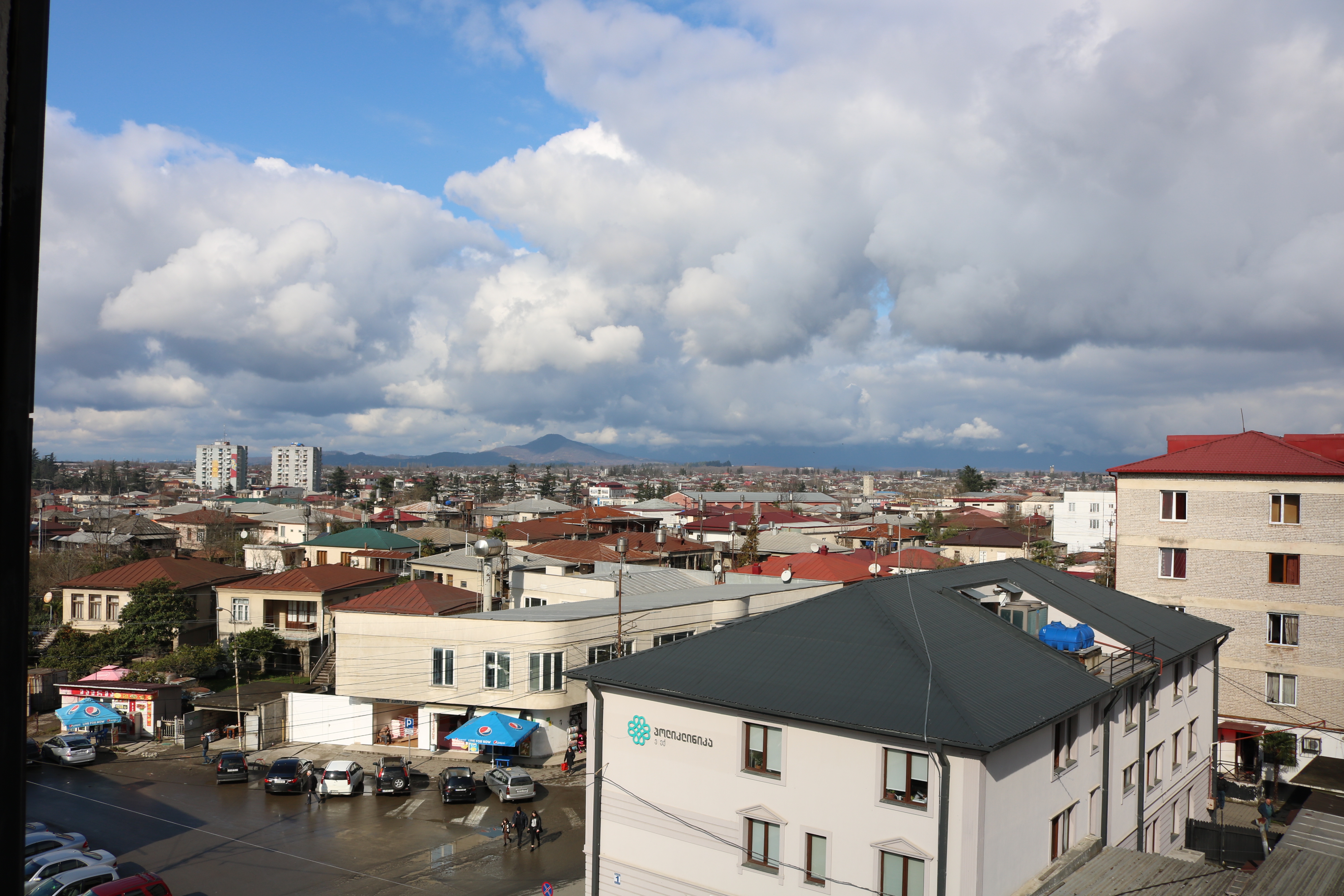
Zugdidi, Georgia
Data updated Sep 3, 2026
📊 Scores
Agriculture and forestry dominate Zugdidi's economy, with small-scale manufacturing and regional administration providing steady employment. Most locals work in farming, forestry operations, or government roles. Tourism exists but remains modest—the Dadiani Palace and Botanical Garden attract visitors, but this isn't a tourism-driven economy. Remote work and freelancing are viable if you have reliable internet; many expats here are location-independent rather than job-seeking.
Rent runs $200–400/month for a decent one-bedroom apartment; utilities add another $40–60. Public transport is cheap but infrequent—minibuses (marshrutkas) connect to Tbilisi (5–6 hours, $8–12) and the Black Sea coast. Healthcare is basic; serious issues require Tbilisi. Georgian is essential for daily life; English is rare outside tourism. Bureaucracy is straightforward compared to Tbilisi, but residency permits still require patience and multiple office visits.
Summers are warm and humid (28–30°C); winters mild but wet. Food is excellent—fresh produce, khachapuri, khinkali—and cheap. The expat community is tiny, maybe 50–100 people total. Weekends mean hiking to nearby Svaneti, swimming at the Black Sea (30km away), or exploring the Botanical Garden. Zugdidi suits remote workers seeking low cost, genuine Georgian culture, and escape from tourist crowds—not those needing nightlife or a large expat social scene.
🏚️ Cost of Living
💰 Budgets and Costs
Grocery Basket
Eating Out
Utilities & Lifestyle
Housing
A 1BR in the center runs about $250/mo. If your income is in another currency, bank FX fees add up. A multi-currency account can cut that cost.
See low-fee transfersWe may earn a commission at no cost to you.
💰 Real Spend Reports
🛡️ Safety & Crime
(Higher is safer)
(Lower is safer)
Zugdidi is a relatively safe small city in western Georgia with a moderate safety profile suitable for expats. Petty theft and pickpocketing occur occasionally in crowded areas, but violent crime against foreigners is uncommon. The main concerns are opportunistic theft, scams targeting newcomers unfamiliar with local practices, and occasional police corruption. Avoid displaying valuables, use registered taxis, and stay aware in the Old Town district after dark. The proximity to the Abkhazia border (15km north) creates minor geopolitical sensitivity, though it poses minimal daily risk. Overall, Zugdidi is safer than many comparable-sized cities globally and manageable for expats who exercise standard urban precautions.
Zugdidi has a safety index of 55/100. Petty theft and lost belongings are the most common problems for newcomers. Compare travel insurance before you go.
Compare travel insuranceWe may earn a commission at no cost to you.
🏥 Healthcare
🌤️ Climate
Best Months
Climate Notes
Zugdidi has a humid subtropical climate with warm, wet summers (June-September) and mild winters, making it pleasant year-round but quite rainy, especially in autumn and winter.
💻 Digital Nomad
Community Notes
| Name | Price/mo | Notes |
|---|---|---|
| Fabrika Zugdidi | $60 | Part of the Fabrika network, this location offers a creative and community-focused environment. It's a good option for digital nomads looking for a social atmosphere and is located centrally in Zugdidi. |
| Impact Hub Tbilisi (Partnership Location) | $75 | While technically Impact Hub Tbilisi, they have partnership locations throughout Georgia. This provides access to a global network and a focus on social impact, appealing to purpose-driven remote workers. Check for specific Zugdidi partnership details on their website. |
Planning to live in Zugdidi long-term? Georgia Remotely From Georgia Program lets remote workers live legally.
View full requirements →Working remotely from Zugdidi? Nomad health insurance covers you across borders, month to month.
See nomad insuranceWe may earn a commission at no cost to you.
🧳 Expat Life
Expat Life Notes
Capital of Samegrelo. Gateway to Svaneti. Very local.
Pros
- ✓ Amazing local food (Megrelian)
- ✓ Safe and quiet
- ✓ Low cost
Cons
- ✗ Limited English
- ✗ Small town feel
- ✗ Isolated
🛂 Visa Options for Georgia
Many long-stay visas require proof of health insurance. Compare international health plans before you apply.
Compare health insuranceWe may earn a commission at no cost to you.
Not sure which Georgia visa you qualify for?
Answer 10 questions and get a personalized match in under 2 minutes.
Could living/working in Zugdidi cut years off your work life?
With a 1-bedroom in the center at $150/mo, your FIRE number here might be much lower than you think.
Moving to Zugdidi? Estimate what an international move would cost and compare mover quotes.
Estimate my move costShare This Guide
Zugdidi won't stay this cheap forever.
Cost-of-living and visa updates for Zugdidi and the rest of Georgia. Free with RA Postcards.
By submitting your email address, you will receive a free subscription to RA Postcards and special offers from Rewire Abroad and our affiliates. You can unsubscribe at any time, and we encourage you to read more about our Privacy Policy.