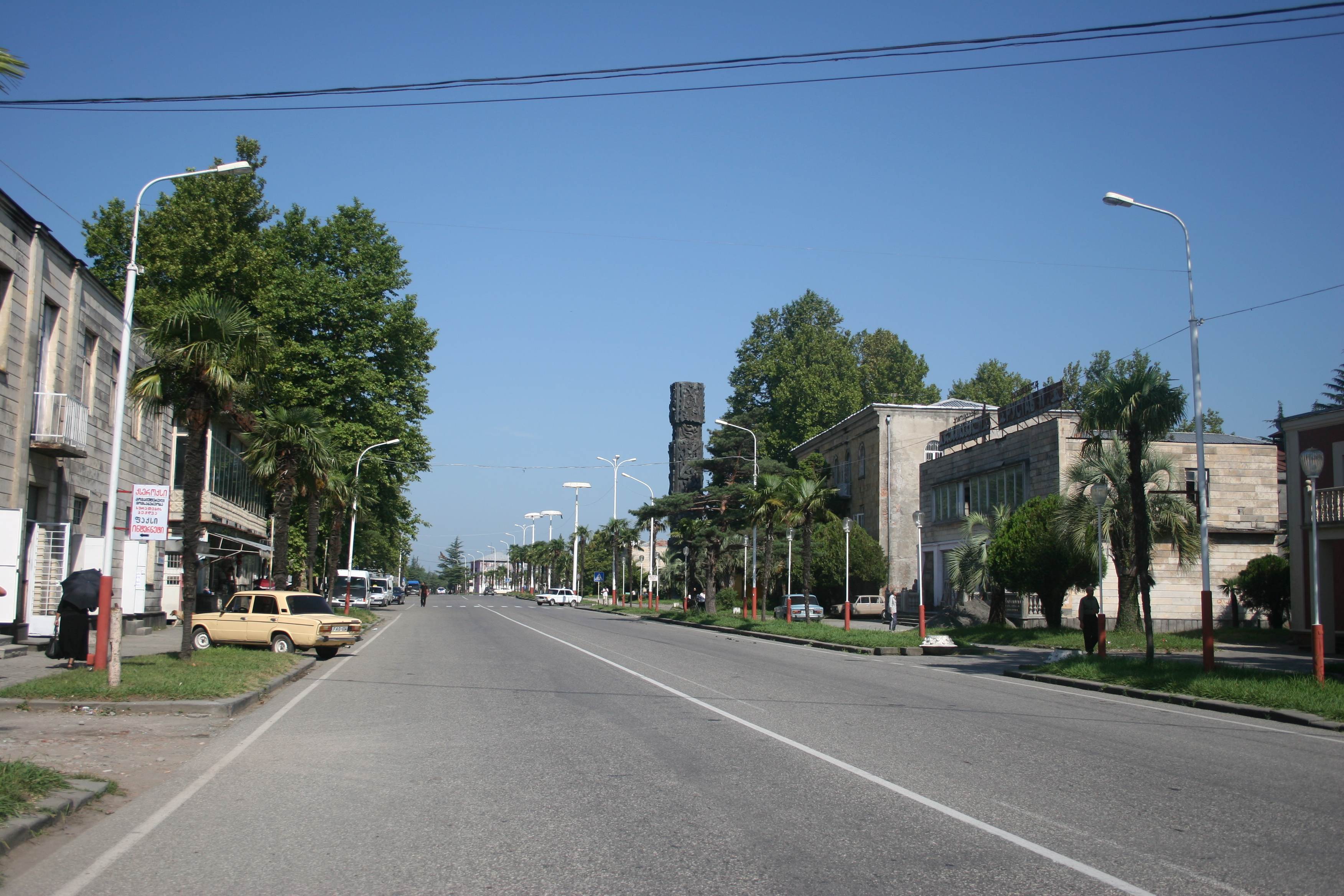
Abasha, Georgia
Data updated Sep 3, 2026
📊 Scores
Agriculture dominates Abasha's economy—tobacco, hazelnuts, citrus, and livestock remain the backbone. The town's historical significance stems from the 1971–1980s 'Abasha experiment,' a Soviet-era agricultural reform that pioneered private enterprise incentives decades before perestroika. Today, most locals work in farming, small trade, or regional administration. There's minimal foreign investment or remote work infrastructure; this isn't a digital nomad hub. Employment for expats is rare unless you're teaching or running your own operation.
Rent runs $200–350/month for a modest apartment; utilities add another $40–60. Public transport is minimal—a car or marshrutka (shared minibus) is essential for reaching Tbilisi (283 km, 5+ hours). Healthcare exists but is basic; serious issues require travel to Kutaisi or Tbilisi. Georgian is the working language; English is scarce outside young people. Bureaucracy is straightforward for residency but slow. Internet is adequate. The town feels genuinely remote, not quaint-remote.
Subtropical climate means warm, wet winters and humid summers; rainfall is heavy year-round. Food is fresh and cheap—local produce, bread, dairy. Social life revolves around family, church, and agriculture; the expat community is essentially nonexistent. Weekends mean hiking nearby valleys, visiting Chkondidi Monastery, or day trips to Zugdidi. Abasha suits retirees seeking ultra-low costs and rural authenticity, or agricultural professionals—not people seeking urban amenities or social infrastructure.
Abasha is genuinely poor and genuinely quiet; it's a real Georgian town, not a packaged experience.
🏚️ Cost of Living
💰 Budgets and Costs
Grocery Basket
Eating Out
Utilities & Lifestyle
Housing
A 1BR in the center runs about $250/mo. If your income is in another currency, bank FX fees add up. A multi-currency account can cut that cost.
See low-fee transfersWe may earn a commission at no cost to you.
💰 Real Spend Reports
🛡️ Safety & Crime
(Higher is safer)
(Lower is safer)
Abasha is a quiet, small Georgian town with a genuinely safe atmosphere for expats. The Safety Index of 60 reflects low violent crime and petty theft rates typical of rural Georgia. Main concerns are minor property crime and occasional scams targeting foreigners unfamiliar with local customs—use standard precautions with valuables and avoid displaying wealth. The town's tight-knit community and police presence deter serious crime. Geopolitical tensions with Russia exist but don't directly affect this region. For a 30-65 American seeking peaceful, affordable living with minimal crime risk, Abasha is a solid choice—just maintain normal urban awareness.
Abasha has a safety index of 60/100. Petty theft and lost belongings are the most common problems for newcomers. Compare travel insurance before you go.
Compare travel insuranceWe may earn a commission at no cost to you.
🏥 Healthcare
🌤️ Climate
Best Months
Climate Notes
Abasha has a humid subtropical climate with warm, wet summers (June-September) and mild winters, receiving significant rainfall year-round, making it lush but requiring rain gear.
💻 Digital Nomad
Community Notes
| Name | Price/mo | Notes |
|---|---|---|
| Impact Hub Tbilisi | $120 | While technically in Tbilisi, Impact Hub is the closest well-established coworking space to Abasha. It offers a vibrant community, regular events, and reliable internet, making it a good option for expats willing to commute or stay in Tbilisi part-time. |
| Terminal | $150 | Located in Tbilisi, Terminal offers a modern workspace with various amenities, including meeting rooms, event spaces, and a cafe. It's a good option for those seeking a professional environment and networking opportunities, though it requires travel from Abasha. |
Planning to live in Abasha long-term? Georgia Remotely From Georgia Program lets remote workers live legally.
View full requirements →Working remotely from Abasha? Nomad health insurance covers you across borders, month to month.
See nomad insuranceWe may earn a commission at no cost to you.
🧳 Expat Life
🛂 Visa Options for Georgia
Many long-stay visas require proof of health insurance. Compare international health plans before you apply.
Compare health insuranceWe may earn a commission at no cost to you.
Not sure which Georgia visa you qualify for?
Answer 10 questions and get a personalized match in under 2 minutes.
Could living/working in Abasha cut years off your work life?
With a 1-bedroom in the center at $100/mo, your FIRE number here might be much lower than you think.
Moving to Abasha? Estimate what an international move would cost and compare mover quotes.
Estimate my move costShare This Guide
Abasha won't stay this cheap forever.
Cost-of-living and visa updates for Abasha and the rest of Georgia. Free with RA Postcards.
By submitting your email address, you will receive a free subscription to RA Postcards and special offers from Rewire Abroad and our affiliates. You can unsubscribe at any time, and we encourage you to read more about our Privacy Policy.