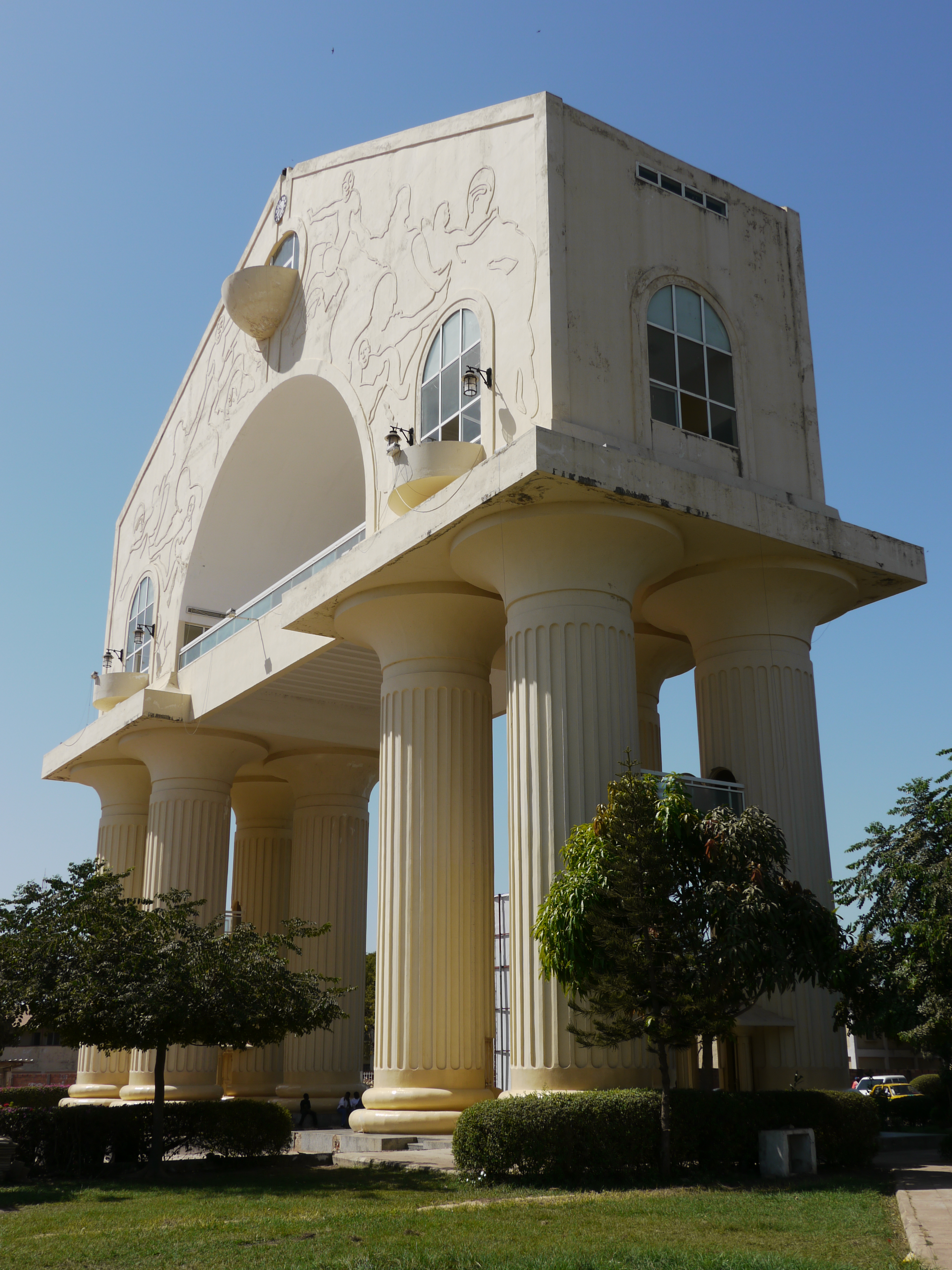
Banjul, Gambia
Data updated Sep 29, 2026
📊 Scores
Best fit: Retiree (score: 59)
Tourism, fishing, and port operations drive Banjul's economy, with government services as a secondary employer. The Port of Banjul handles West African trade, creating logistics and maritime jobs. Most expats work in tourism, NGOs, or remote roles; local employment outside these sectors is limited. Seasonal migration from rural areas floods the service and construction industries. Wages are low by Western standards, but cost of living is genuinely cheap—a one-bedroom apartment in the center runs $51/month.
Rent averages $51–$200/month depending on neighborhood; utilities add $20–$40. Transport is informal (shared taxis, ferries across the river) and unreliable but costs pennies. Healthcare is basic; serious issues require travel to Dakar or Europe. French is official; English is widely spoken but Wolof dominates street life. Bureaucracy for residency is slow but not Byzantine—expect 2–3 months for paperwork. Internet is spotty and expensive ($30–$50/month for decent speed).
Tropical heat year-round (24–32°C), with a brutal rainy season June–October. Food is rice, fish, and imported goods; fresh produce is seasonal and limited. The expat community is small and transient, mostly aid workers and tourism operators. Weekends mean beach bars, river trips, or day trips to Senegal. Banjul suits budget travelers, remote workers with low income needs, and people comfortable with minimal infrastructure—not digital nomads expecting reliable wifi or expats seeking a large social scene.
🏚️ Cost of Living
💰 Budgets and Costs
Grocery Basket
Eating Out
Utilities & Lifestyle
Housing
A 1BR in the center runs about $102.56/mo. If your income is in another currency, bank FX fees add up. A multi-currency account can cut that cost.
See low-fee transfersWe may earn a commission at no cost to you.
💰 Real Spend Reports
🛡️ Safety & Crime
(Higher is safer)
(Lower is safer)
Banjul is relatively safe for expats compared to many West African capitals, with a moderate safety profile suitable for cautious residents. Petty theft, pickpocketing, and opportunistic crime occur mainly in crowded markets and transport hubs; violent crime against expats is uncommon. Avoid displaying wealth, walking alone at night, and the Serrekunda area after dark. The political environment is stable, though occasional protests occur. Most expats report feeling secure with standard precautions. This is a viable option for remote workers or retirees seeking an affordable, laid-back West African base.
Banjul has a safety index of 60/100. Petty theft and lost belongings are the most common problems for newcomers. Compare travel insurance before you go.
Compare travel insuranceWe may earn a commission at no cost to you.
🏥 Healthcare
🌤️ Climate
Best Months
Climate Notes
Banjul has a tropical climate with a hot, humid rainy season (June–October) and a warm, dry season (November–May), making it ideal for expats seeking consistent warmth year-round.
💻 Digital Nomad
Community Notes
| Name | Price/mo | Notes |
|---|---|---|
| Starfish International | $50 | While not a traditional coworking space, Starfish International offers a community center with reliable internet and a welcoming atmosphere in Bakau, near Banjul. It's a great option for digital nomads seeking a social impact element and a local connection. |
| Gambia Chamber of Commerce and Industry (GCCI) | $75 | The GCCI, located in Banjul, sometimes offers desk space and meeting rooms for members and non-members. It provides a professional environment and networking opportunities within the Gambian business community. |
| iBusiness Center | $60 | Located in Kanifing, close to Banjul, iBusiness Center offers serviced offices and potentially coworking options. It provides a professional business environment with amenities like internet and printing. |
Working remotely from Banjul? Nomad health insurance covers you across borders, month to month.
See nomad insuranceWe may earn a commission at no cost to you.
🧳 Expat Life
Expat Life Notes
The capital of Gambia. Most expats live in nearby coastal areas like Fajara. It is safe and very affordable but has limited high-end services.
Pros
- ✓ English is official
- ✓ Friendly people
- ✓ Low cost of living
Cons
- ✗ Poor infrastructure
- ✗ Healthcare limitations
- ✗ Frequent power outages
Could living/working in Banjul cut years off your work life?
With a 1-bedroom in the center at $41/mo, your FIRE number here might be much lower than you think.
Moving to Banjul? Estimate what an international move would cost and compare mover quotes.
Estimate my move costShare This Guide
Banjul won't stay this cheap forever.
Cost-of-living and visa updates for Banjul and the rest of Gambia. Free with RA Postcards.
By submitting your email address, you will receive a free subscription to RA Postcards and special offers from Rewire Abroad and our affiliates. You can unsubscribe at any time, and we encourage you to read more about our Privacy Policy.