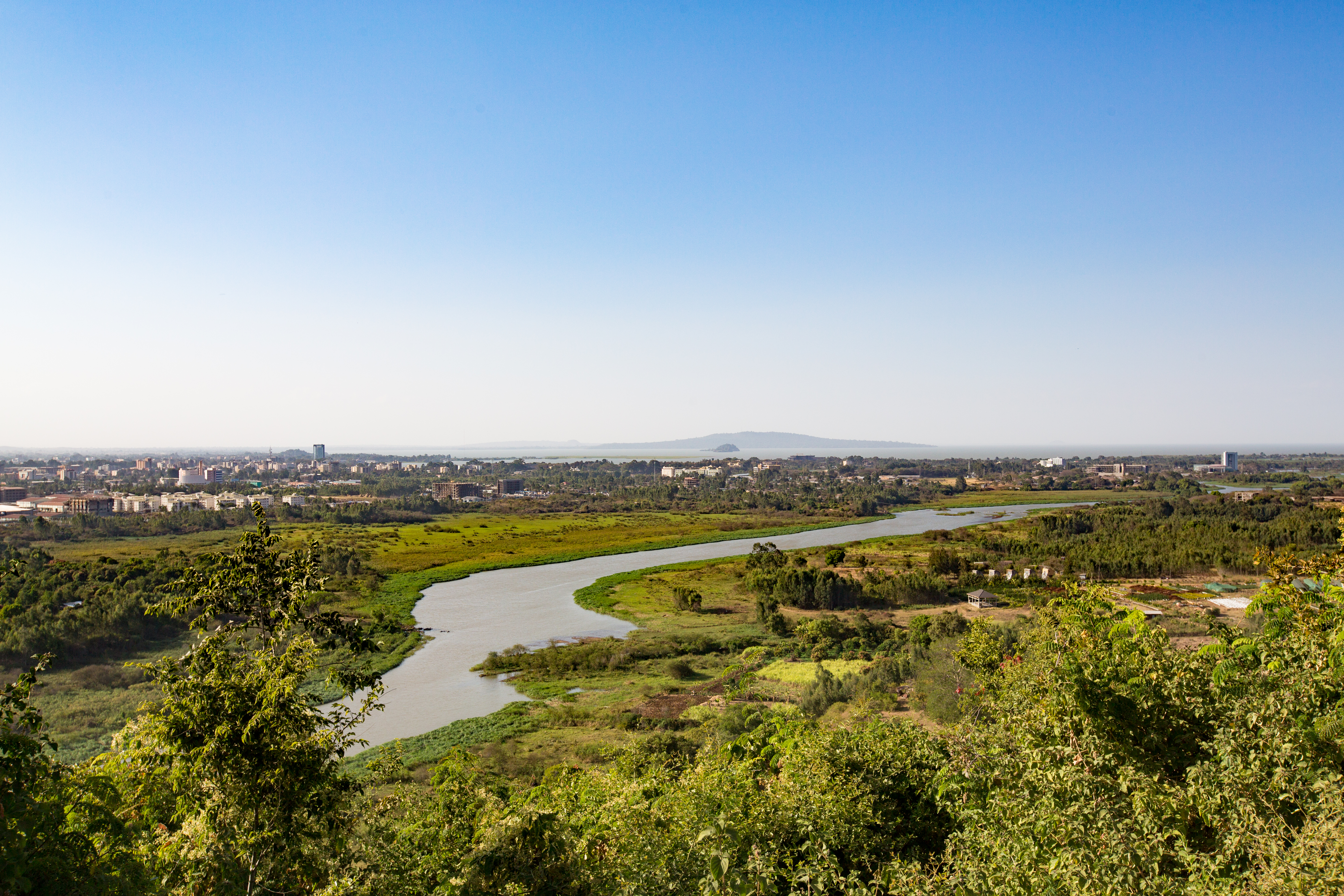
Bahir Dar, Ethiopia
Data updated Sep 3, 2026
📊 Scores
Best fit: FIRE / Geoarbitrage (score: 71)
Tourism drives the local economy, with hotels, restaurants, and tour operators serving visitors heading to Lake Tana's monasteries and Blue Nile Falls. Government jobs dominate as the Amhara Regional capital, offering stable employment for locals but limited opportunities for foreigners without proper work permits. Hydroelectric power generation provides some industrial jobs, while small-scale agriculture and trade round out the economic base. Most expats here work for NGOs, development organizations, or teach English — legitimate business opportunities for foreigners are scarce.
One-bedroom apartments in the city center run around $250/month, though quality varies dramatically and reliable electricity isn't guaranteed despite the hydroelectric infrastructure. Public transport consists of blue-and-white minibuses (bajaj) for short trips at $0.30-0.50, while longer routes cost under $2. Healthcare is basic — the regional hospital handles emergencies, but serious conditions require evacuation to Addis Ababa. Amharic is essential for daily life; English works in tourist areas but bureaucratic processes demand local language skills or a translator.
The tropical highland climate stays pleasant year-round with temperatures around 70-80°F, though the rainy season (June-September) brings heavy downpours. Lake Tana offers boat trips and fishing, while the palm-lined boulevards provide decent walking. The expat community is tiny — maybe 50-100 foreigners total, mostly aid workers and researchers. Weekends mean lake excursions, visiting ancient monasteries, or socializing at the handful of decent restaurants. This works for development professionals seeking authentic Ethiopia, not digital nomads wanting reliable internet and international amenities.
🏚️ Cost of Living
💰 Budgets and Costs
Grocery Basket
Eating Out
Utilities & Lifestyle
Housing
A 1BR in the center runs about $250/mo. If your income is in another currency, bank FX fees add up. A multi-currency account can cut that cost.
See low-fee transfersWe may earn a commission at no cost to you.
💰 Real Spend Reports
🛡️ Safety & Crime
(Higher is safer)
(Lower is safer)
Bahir Dar is moderately safe for expats, with a Numbeo Safety Index of 60 suggesting reasonable security relative to many African cities. Petty theft, pickpocketing, and opportunistic robbery are the primary concerns, particularly in crowded markets and around the lakefront. Avoid displaying valuables, walking alone after dark, and the Kebele 3 and 4 areas after hours. Political tensions and occasional ethnic tensions in the broader Amhara region warrant awareness, though Bahir Dar itself remains relatively stable. For a 30-65 year-old expat, this is manageable with standard precautions and local awareness.
Bahir Dar has a safety index of 60/100. Petty theft and lost belongings are the most common problems for newcomers. Compare travel insurance before you go.
Compare travel insuranceWe may earn a commission at no cost to you.
🏥 Healthcare
🌤️ Climate
Best Months
Climate Notes
Tropical highland climate moderated by Lake Tana, with a significant rainy season from June to September.
💻 Digital Nomad
Community Notes
| Name | Price/mo | Notes |
|---|---|---|
| Bahir Dar Business Center | $50 | While not a dedicated coworking space, this business center offers office rentals and potentially shared spaces suitable for remote work. Located in the city center, it provides a professional environment and basic amenities. |
| Lake Hub Bahir Dar (Likely closed) | $40 | Lake Hub was a coworking space in Bahir Dar, but its Facebook page has been inactive for a while, suggesting it may be closed. If open, it would be a good option for digital nomads looking for a community-focused workspace. |
Working remotely from Bahir Dar? Nomad health insurance covers you across borders, month to month.
See nomad insuranceWe may earn a commission at no cost to you.
🧳 Expat Life
Expat Life Notes
Lakeside resort city popular with local tourists and NGO staff. Beautiful but basic.
Pros
- ✓ Stunning lake scenery
- ✓ Pleasant climate
Cons
- ✗ Poor internet
- ✗ Healthcare gaps
Could living/working in Bahir Dar cut years off your work life?
With a 1-bedroom in the center at $200/mo, your FIRE number here might be much lower than you think.
Moving to Bahir Dar? Estimate what an international move would cost and compare mover quotes.
Estimate my move costShare This Guide
Bahir Dar won't stay this cheap forever.
Cost-of-living and visa updates for Bahir Dar and the rest of Ethiopia. Free with RA Postcards.
By submitting your email address, you will receive a free subscription to RA Postcards and special offers from Rewire Abroad and our affiliates. You can unsubscribe at any time, and we encourage you to read more about our Privacy Policy.