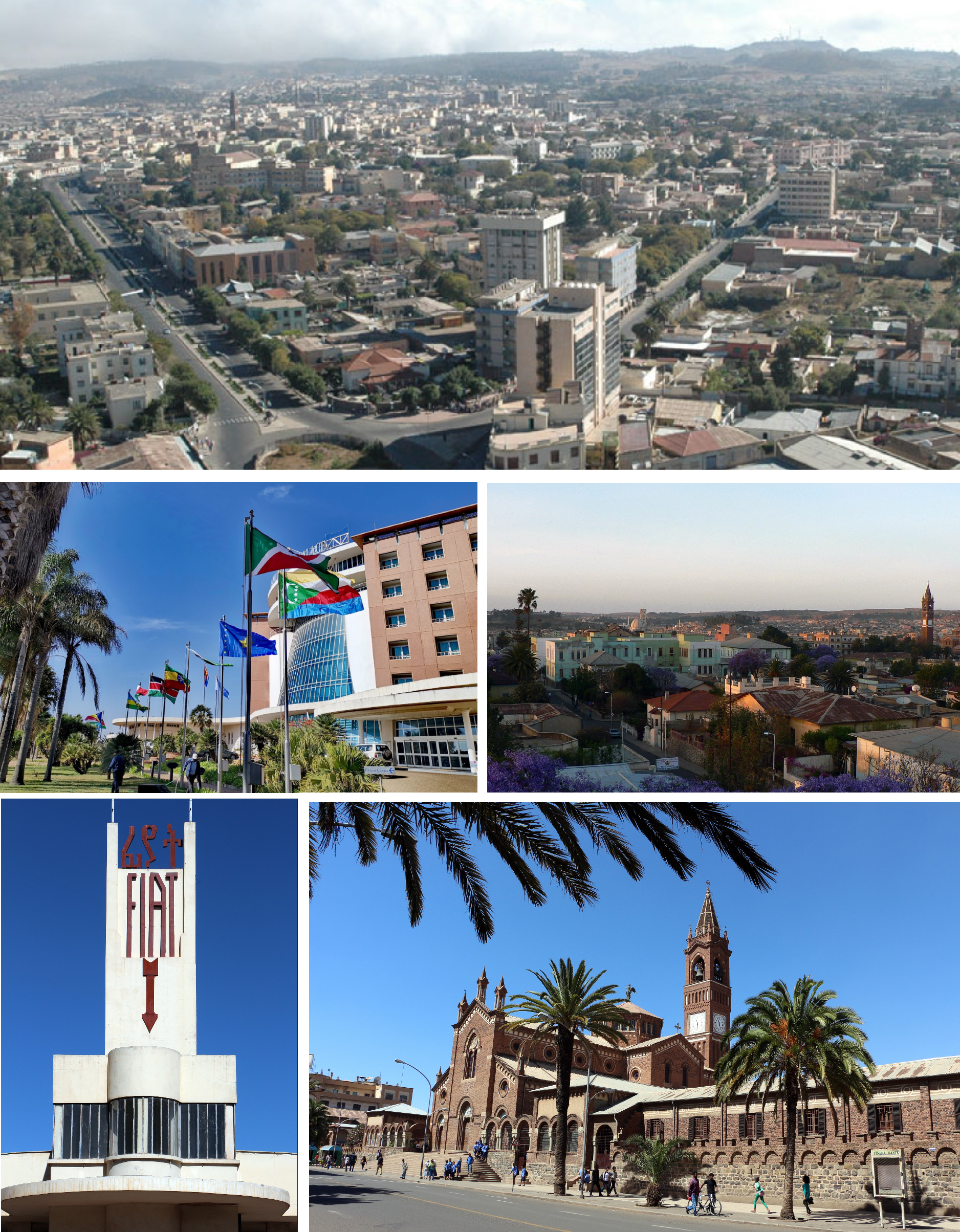
Asmara, Eritrea
Data updated Sep 3, 2026
📊 Scores
Government administration dominates Asmara's economy to a degree that makes most other capitals look diversified by comparison. The state is effectively the largest employer, with small-scale retail, import trade, and service businesses filling the gaps. International sanctions have choked off foreign investment since the 1990s, and there is virtually no tech sector, startup scene, or multinational presence to speak of. Remote workers and digital nomads face serious obstacles: internet access is slow, expensive, and government-monitored, and banking connectivity to the outside world is severely limited.
A one-bedroom in the city center runs around $700/month — expensive by regional standards and hard to justify given what you get. The currency situation is genuinely painful: the nakfa is not freely convertible, black market exchange is illegal, and moving money in or out of the country is a bureaucratic ordeal. Healthcare infrastructure is basic; serious medical issues require evacuation to Ethiopia or further. English is spoken by some educated residents, but Tigrinya and Arabic dominate daily life. Obtaining a residency permit involves layers of government approval that can take months with no guaranteed outcome.
The climate is the city's most legitimate selling point — mild temperatures between 10–25°C year-round, no need for air conditioning, and none of the oppressive heat that defines most of the Horn of Africa. The Italian modernist architecture is genuinely striking, and the café culture it left behind — espresso, pasta, gelato — is real and embedded in daily life. The expat community is tiny and largely consists of NGO workers and diplomats rather than lifestyle migrants. Weekends mean walking the Corso, eating well on a limited menu, and not much else. Asmara suits only the most patient, politically aware expats with a specific professional reason to be there — it is not a lifestyle destination.
🏚️ Cost of Living
💰 Budgets and Costs
Grocery Basket
Eating Out
Utilities & Lifestyle
Housing
A 1BR in the center runs about $250/mo. If your income is in another currency, bank FX fees add up. A multi-currency account can cut that cost.
See low-fee transfersWe may earn a commission at no cost to you.
💰 Real Spend Reports
🛡️ Safety & Crime
(Higher is safer)
(Lower is safer)
Asmara is notably safer than most African capitals, with low violent crime rates and minimal street theft targeting foreigners. The authoritarian government maintains strict security controls that deter opportunistic crime. Main concerns include petty pickpocketing in crowded markets, occasional scams targeting expats unfamiliar with local currency practices, and the need to avoid discussing politics. Geopolitical isolation and limited freedoms (restricted movement, media censorship, mandatory military service) are significant lifestyle constraints. For security-focused expats, Asmara is relatively safe; however, the political environment and lack of transparency make it unsuitable for those valuing personal freedom.
Asmara has a safety index of 60/100. Petty theft and lost belongings are the most common problems for newcomers. Compare travel insurance before you go.
Compare travel insuranceWe may earn a commission at no cost to you.
🏥 Healthcare
🌤️ Climate
Best Months
Climate Notes
Subtropical highland climate; very mild and pleasant due to high elevation.
💻 Digital Nomad
Community Notes
| Name | Price/mo | Notes |
|---|---|---|
| Ariana Hotel | $150 | While not a dedicated coworking space, the Ariana Hotel in the center of Asmara offers reliable internet, a quiet atmosphere, and comfortable seating in its lobby and cafe, making it a viable option for remote work. It's a well-known and reputable establishment. |
| Crystal Hotel | $120 | Similar to the Ariana, the Crystal Hotel provides a business-friendly environment with internet access and a cafe. Located centrally, it's a convenient and relatively affordable option for digital nomads seeking a temporary workspace. |
Working remotely from Asmara? Nomad health insurance covers you across borders, month to month.
See nomad insuranceWe may earn a commission at no cost to you.
🧳 Expat Life
Expat Life Notes
A stunning modernist capital city with high safety but very restricted movement and isolation.
Pros
- ✓ Stunning Italian architecture
- ✓ Extremely safe
- ✓ Pleasant climate
Cons
- ✗ Political isolation
- ✗ Limited internet/connectivity
- ✗ Strict state controls
Could living/working in Asmara cut years off your work life?
With a 1-bedroom in the center at $250/mo, your FIRE number here might be much lower than you think.
Moving to Asmara? Estimate what an international move would cost and compare mover quotes.
Estimate my move costShare This Guide
Asmara won't stay this cheap forever.
Cost-of-living and visa updates for Asmara and the rest of Eritrea. Free with RA Postcards.
By submitting your email address, you will receive a free subscription to RA Postcards and special offers from Rewire Abroad and our affiliates. You can unsubscribe at any time, and we encourage you to read more about our Privacy Policy.