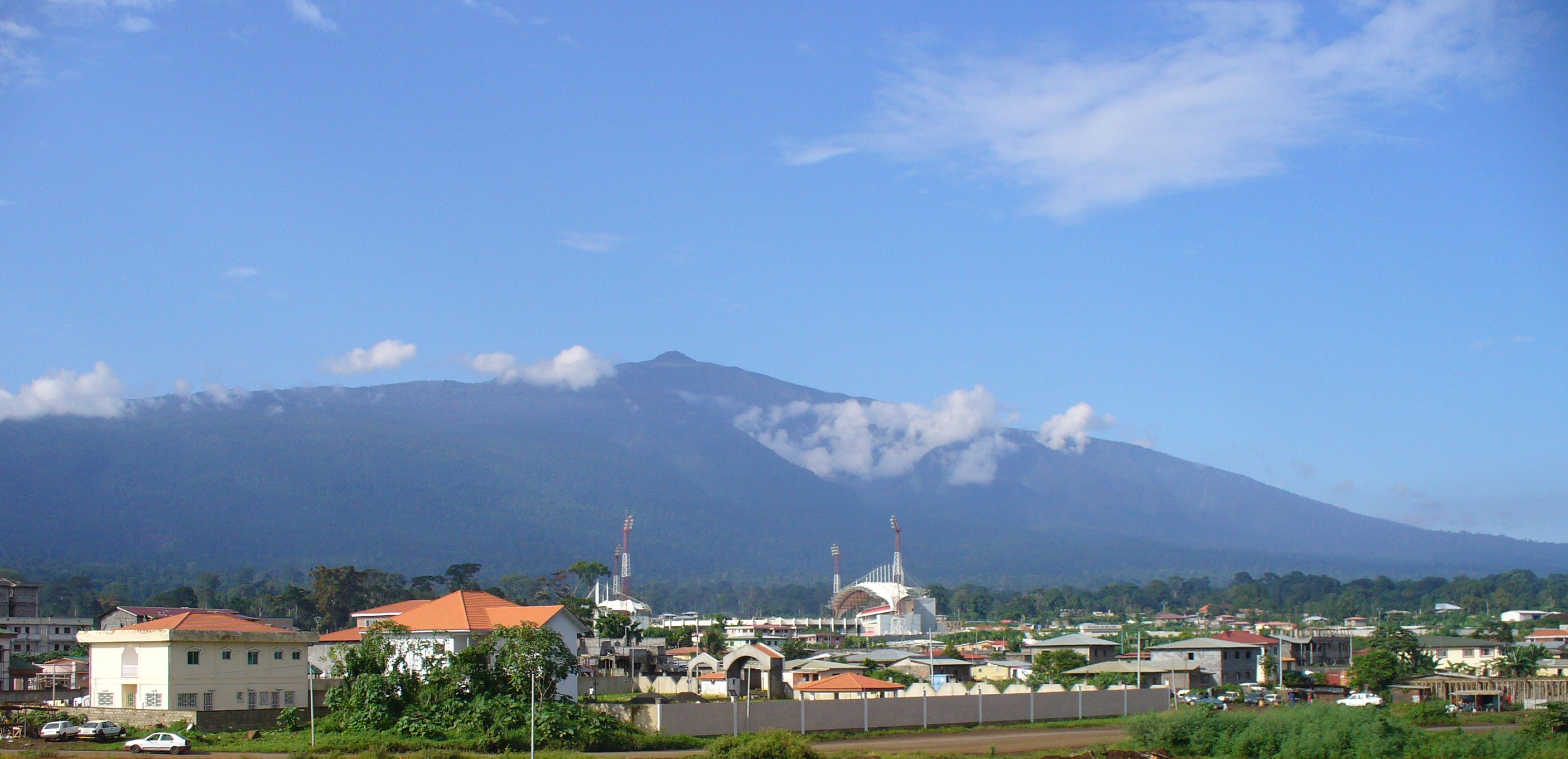
Malabo, Equatorial Guinea
Data updated Sep 3, 2026
📊 Scores
Best fit: FIRE / Geoarbitrage (score: 55)
Oil and gas extraction dominates everything here, with major international companies like ExxonMobil and Marathon Oil driving the economy. Government jobs and oil-related services employ most locals, while expats typically work in petroleum, construction, or diplomatic roles. The job market is extremely narrow—if you're not in oil, gas, or government, opportunities are scarce. Salaries can be high for oil workers, but the economy's complete dependence on hydrocarbons makes it volatile and limits entrepreneurial opportunities.
Rent hits $1,200/month for a basic one-bedroom in the center, making Malabo one of Africa's most expensive cities. Most goods are imported, inflating prices significantly—expect to pay 2-3x what you'd spend in neighboring countries. Spanish fluency is essential for any serious business or bureaucratic dealings, though Pichinglis helps with daily interactions. Healthcare is limited, with serious cases requiring evacuation to Europe. Government bureaucracy moves slowly, and getting work permits involves multiple ministries and considerable patience.
The tropical climate means 80-90°F temperatures year-round with crushing humidity and heavy rains from May-June and September-December. Food blends Spanish, African, and Creole influences, though dining options are limited and expensive. The expat community is small and mostly oil industry professionals who socialize at hotel bars and private clubs. Weekends involve beach trips to nearby islands or staying indoors during rainy season. This city works for well-compensated oil industry professionals who can handle isolation and high costs.
🏚️ Cost of Living
💰 Budgets and Costs
Grocery Basket
Eating Out
Utilities & Lifestyle
Housing
A 1BR in the center runs about $1200/mo. If your income is in another currency, bank FX fees add up. A multi-currency account can cut that cost.
See low-fee transfersWe may earn a commission at no cost to you.
💰 Real Spend Reports
🛡️ Safety & Crime
(Higher is safer)
(Lower is safer)
Malabo presents moderate safety challenges typical of Central African capitals. Petty theft, armed robbery, and carjacking occur, particularly after dark and in less developed neighborhoods. Avoid displaying wealth, walking alone at night, and traveling outside the city without local guidance. Political tensions and occasional civil unrest exist but rarely target expats directly. The expat community is small but established; connecting with them provides valuable security insights. For remote workers with situational awareness and reasonable precautions, Malabo is manageable, though it requires more vigilance than Western retirement destinations.
Malabo has a safety index of 58/100. Petty theft and lost belongings are the most common problems for newcomers. Compare travel insurance before you go.
Compare travel insuranceWe may earn a commission at no cost to you.
🏥 Healthcare
🌤️ Climate
Best Months
Climate Notes
Malabo has a tropical climate with consistently warm temperatures year-round, high humidity, and heavy rainfall peaking during the rainy seasons (May-June and September-October), making it hot and wet for most of the year.
💻 Digital Nomad
Community Notes
| Name | Price/mo | Notes |
|---|---|---|
| Regus Malabo | $350 | Regus offers a reliable and professional coworking environment in Malabo. Located in a central business district, it provides essential amenities like high-speed internet, meeting rooms, and administrative support, making it suitable for expats needing a structured workspace. |
| Idea Coworking Space | $200 | Idea Coworking Space provides a modern and collaborative environment for professionals and entrepreneurs. Located in Malabo, it offers flexible workspace solutions, high-speed internet, meeting rooms, and networking opportunities, fostering innovation and productivity. |
Working remotely from Malabo? Nomad health insurance covers you across borders, month to month.
See nomad insuranceWe may earn a commission at no cost to you.
🧳 Expat Life
Expat Life Notes
The capital of Equatorial Guinea is primarily home to oil and gas expats living in secure, modern compounds.
Pros
- ✓ High income sector jobs
- ✓ New infrastructure in Malabo Dos
- ✓ Oceanfront setting
Cons
- ✗ Strict state controls
- ✗ Limited English prevalence
- ✗ Expensive secure housing
Could living/working in Malabo cut years off your work life?
With a 1-bedroom in the center at $960/mo, your FIRE number here might be much lower than you think.
Moving to Malabo? Estimate what an international move would cost and compare mover quotes.
Estimate my move costShare This Guide
Malabo won't stay this cheap forever.
Cost-of-living and visa updates for Malabo and the rest of Equatorial Guinea. Free with RA Postcards.
By submitting your email address, you will receive a free subscription to RA Postcards and special offers from Rewire Abroad and our affiliates. You can unsubscribe at any time, and we encourage you to read more about our Privacy Policy.