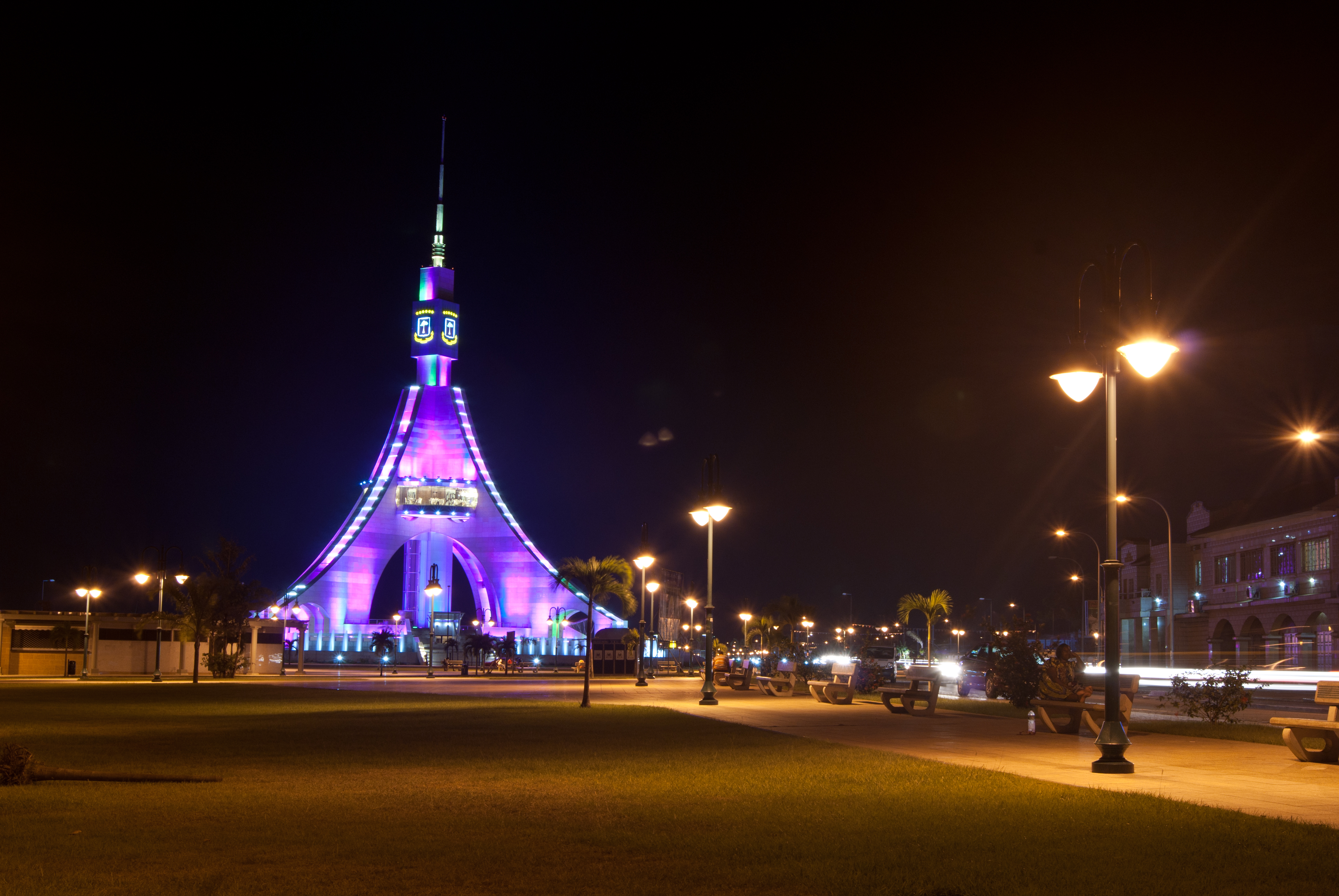
Bata, Equatorial Guinea
Data updated Sep 29, 2026
📊 Scores
Best fit: FIRE / Geoarbitrage (score: 54)
Oil money transformed this timber and coffee port into Equatorial Guinea's economic engine, though the boom-bust cycle hits hard here. The deep-water port moves 6.5 million tonnes annually, creating logistics and trading opportunities, while Chinese-funded infrastructure projects employ both locals and expats. Government positions and oil service companies dominate the formal economy, but expect nepotism and connections to matter more than qualifications. Most international workers arrive through energy sector contracts or diplomatic postings.
Rent runs $750/month for a decent one-bedroom downtown, steep for a city still rebuilding from 2021's military base explosions that leveled much of the infrastructure. Portuguese and French help, but Spanish fluency is essential for any bureaucratic process. Healthcare means flying to Malabo or abroad for serious issues. The airport connects regionally, but international flights require connections through Douala or Malabo. Government paperwork moves at glacial speed when it moves at all.
Tropical monsoon climate means four months of serious rain (April-May, October-November) and oppressive humidity year-round except the brief July-August dry spell. Markets buzz with regional trade, and the nightlife scene draws visitors from across Central Africa, though entertainment options remain limited. The expat community is tiny and mostly oil/diplomatic workers who stick together by necessity. This works for adventure-seekers with corporate backing, not independent digital nomads.
🏚️ Cost of Living
💰 Budgets and Costs
Grocery Basket
Eating Out
Utilities & Lifestyle
Housing
A 1BR in the center runs about $390.29/mo. If your income is in another currency, bank FX fees add up. A multi-currency account can cut that cost.
See low-fee transfersWe may earn a commission at no cost to you.
💰 Real Spend Reports
🛡️ Safety & Crime
(Higher is safer)
(Lower is safer)
Bata presents moderate-to-elevated safety concerns for expats. While not a war zone, petty theft, armed robbery, and home burglaries occur regularly, particularly in less affluent neighborhoods. Avoid displaying wealth, walking alone after dark, and traveling outside the city without local guidance. Carjacking and mugging happen, especially near the port and market areas. Political instability and limited police responsiveness add friction. The expat community is small but established; connecting with them provides practical safety intel. This is a workable destination for those with security awareness and flexibility, but not ideal for risk-averse retirees.
Bata has a safety index of 40/100. Petty theft and lost belongings are the most common problems for newcomers. Compare travel insurance before you go.
Compare travel insuranceWe may earn a commission at no cost to you.
🏥 Healthcare
🌤️ Climate
Best Months
Climate Notes
Bata has a tropical climate with consistently warm temperatures year-round, high humidity, and heavy rainfall from May to October, making it hot and wet during the rainy season.
💻 Digital Nomad
Community Notes
| Name | Price/mo | Notes |
|---|---|---|
| Regus Bata | $250 | Regus offers a reliable, professional environment in Bata. Located in a central business district, it provides standard amenities like high-speed internet, meeting rooms, and administrative support, making it suitable for expats seeking a familiar and functional workspace. |
| Idea Coworking Space | $150 | Idea Coworking Space is a locally run coworking space in Bata. It offers a more community-focused environment, with basic amenities and a chance to connect with local entrepreneurs. It's a good option for those seeking a more authentic and affordable coworking experience. |
Working remotely from Bata? Nomad health insurance covers you across borders, month to month.
See nomad insuranceWe may earn a commission at no cost to you.
🧳 Expat Life
Expat Life Notes
A major port city in Equatorial Guinea. Foreigners are purely oil/resource sector contractors.
Pros
- ✓ High pay in sector
Cons
- ✗ Political sensitivity
- ✗ Healthcare issues
Could living/working in Bata cut years off your work life?
With a 1-bedroom in the center at $312/mo, your FIRE number here might be much lower than you think.
Estimate the cost of moving to Bata, Equatorial Guinea
Get a free moving cost estimate for moving to Bata, Equatorial Guinea. Takes 10 seconds.
How much are you shipping?
When are you moving?
Powered by Sirelo. Free quotes from verified international movers.
Share This Guide
Bata won't stay this cheap forever.
Cost-of-living and visa updates for Bata and the rest of Equatorial Guinea. Free with RA Postcards.
By submitting your email address, you will receive a free subscription to RA Postcards and special offers from Rewire Abroad and our affiliates. You can unsubscribe at any time, and we encourage you to read more about our Privacy Policy.