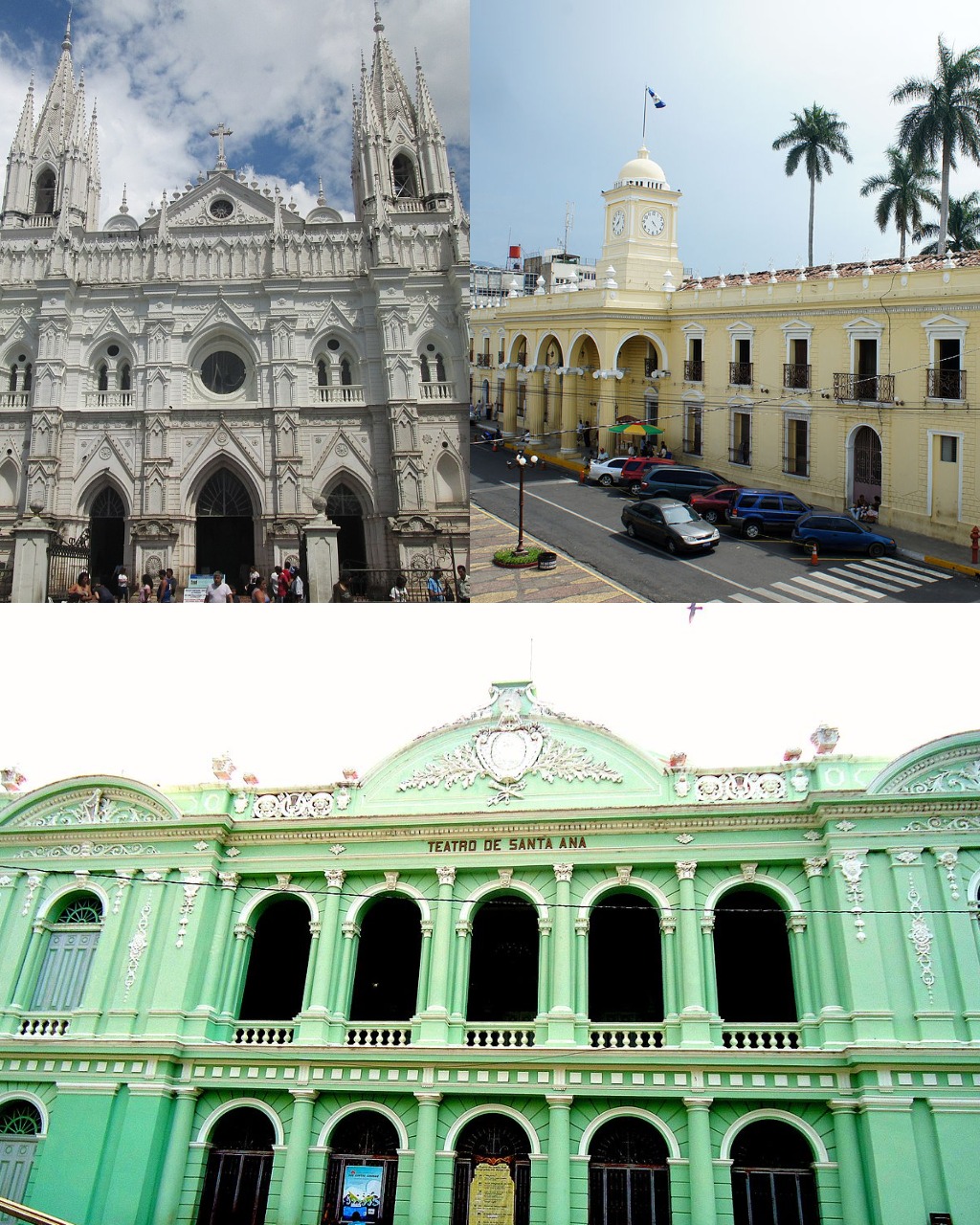
Santa Ana, El Salvador
Data updated Sep 3, 2026
📊 Scores
Coffee processing drives the local economy, with major facilities handling beans for export markets alongside smaller roasters serving domestic demand. Tourism provides steady work in hospitality and guiding, particularly around colonial architecture sites, while agriculture employs many in surrounding rural areas. The hydroelectric station on Guajoyo River creates some technical jobs, but overall wages remain low by international standards. Small businesses, informal trade, and remittances from relatives abroad supplement most household incomes in this city of 250,000.
Rent averages $300 monthly for a one-bedroom in the center, with utilities adding another $50-80. Public transport consists of aging buses connecting the 35 neighborhoods for under $1 per ride, though many rely on motorcycles or walking. Healthcare access is limited to a few public clinics and one main hospital, with serious cases often requiring the 64km trip to San Salvador. Spanish fluency is essential — English speakers are rare outside tourist areas. Government paperwork moves slowly but isn't particularly complex.
Year-round temperatures hover around 25°C with distinct wet and dry seasons, perfect for outdoor activities but humid during rains. Local pupuserias and comedores serve filling meals for $3-5, while weekend markets offer fresh produce and crafts. The expat community is tiny — maybe a few dozen foreigners total, mostly aid workers or retirees. Social life centers on family gatherings, local festivals, and evening strolls around the colonial center. This suits budget-conscious retirees who speak Spanish and want authentic Central American living without tourist crowds.
🏚️ Cost of Living
💰 Budgets and Costs
Grocery Basket
Eating Out
Utilities & Lifestyle
Housing
💰 Real Spend Reports
🛡️ Safety & Crime
(Higher is safer)
(Lower is safer)
Santa Ana presents moderate-to-high safety concerns for expats. While not among El Salvador's most dangerous cities, gang activity, armed robbery, and extortion remain real threats, particularly in peripheral neighborhoods and after dark. The city center has police presence but remains unpredictable. Expats should avoid displaying wealth, use registered taxis only, and stay out of gang-controlled zones. Petty theft and home burglaries are common. This city requires vigilance and local knowledge to navigate safely—suitable only for expats with Spanish fluency, established local networks, and realistic security expectations.
🏥 Healthcare
🌤️ Climate
Best Months
Climate Notes
Santa Ana experiences a hot-summer Mediterranean climate with arid conditions and occasional air quality concerns due to its proximity to greater Los Angeles metropolitan activities and traffic emissions.
💻 Digital Nomad
Community Notes
| Name | Price/mo | Notes |
|---|---|---|
| Regus Santa Ana | $150 | Located in a central business district, Regus offers a reliable and professional environment with standard amenities like high-speed internet, meeting rooms, and administrative support. It's a good option for those seeking a familiar and structured coworking experience. |
| WorkInn | $120 | WorkInn provides a modern and collaborative workspace with various membership options, including hot desks and private offices. It's known for its vibrant community and regular networking events, making it ideal for digital nomads looking to connect with other professionals. |
Planning to live in Santa Ana long-term? El Salvador Digital Nomad Visa lets remote workers live legally with a minimum income of $1,667/month.
View full requirements →🧳 Expat Life
Expat Life Notes
A quiet colonial town. Expat presence is limited to volunteers.
Pros
- ✓ Historic center
- ✓ Cheap
Cons
- ✗ Limited infrastructure
- ✗ Safety awareness required
🛂 Visa Options for El Salvador
Earning over $1,667/mo? You may qualify for a El Salvador visa.
Answer 10 questions and get a personalized match in under 2 minutes.
Could living/working in Santa Ana cut years off your work life?
With a 1-bedroom in the center at $520/mo, your FIRE number here might be much lower than you think.
Share This Guide
Santa Ana won't stay this cheap forever.
Cost-of-living and visa updates for Santa Ana and the rest of El Salvador. Free with RA Postcards.
By submitting your email address, you will receive a free subscription to RA Postcards and special offers from Rewire Abroad and our affiliates. You can unsubscribe at any time, and we encourage you to read more about our Privacy Policy.