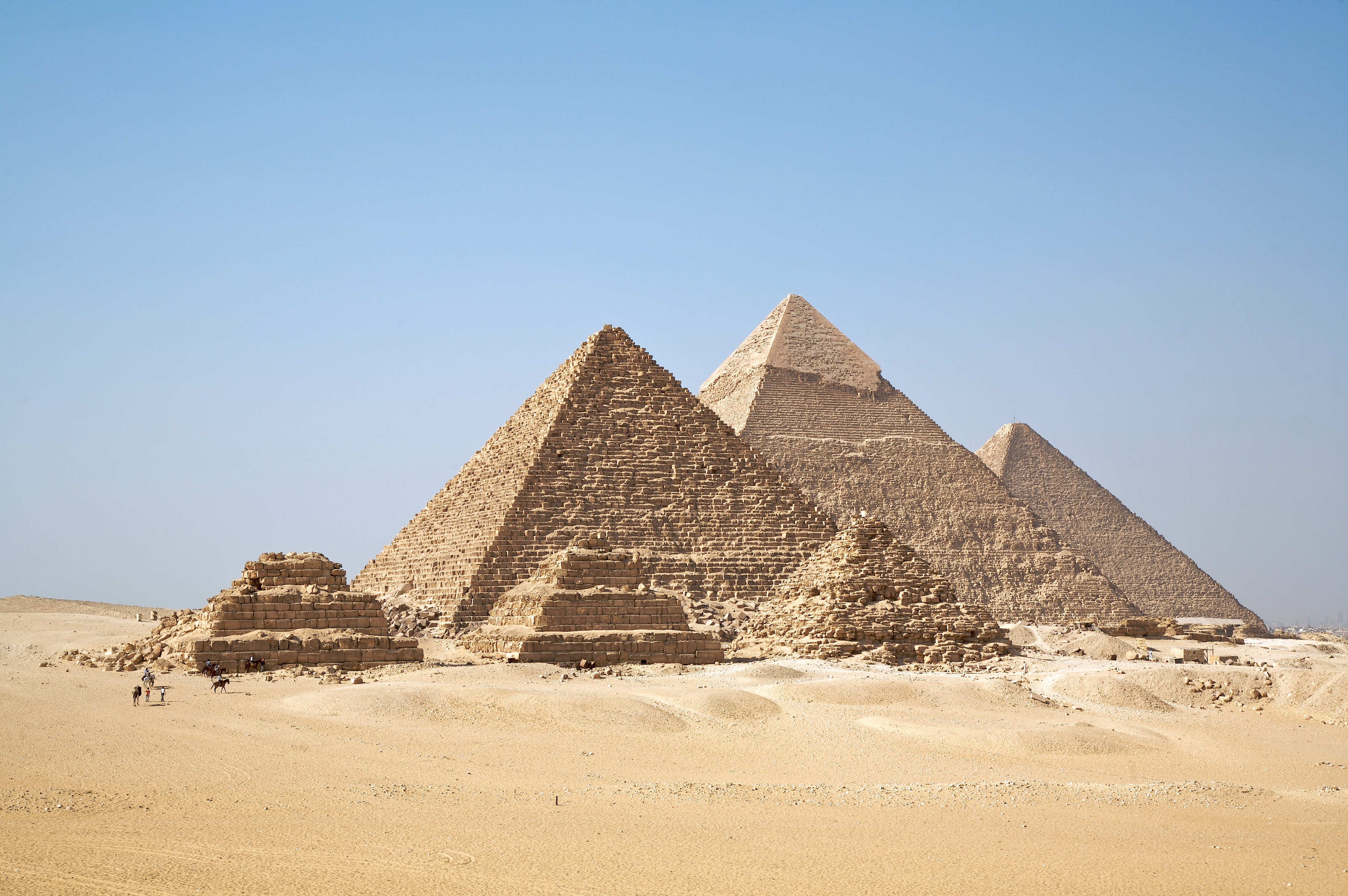
Giza, Egypt
Data updated Sep 29, 2026
📊 Scores
Best fit: FIRE / Geoarbitrage (score: 80)
Tourism dominates Giza's economy—14.7 million visitors annually generate steady hospitality and service-sector work. Hotels, restaurants, guides, and retail thrive around the pyramids and Grand Egyptian Museum. Banking and multinational headquarters anchor white-collar employment, though most expats work remotely or for international firms. Local job hunting is difficult without Arabic and connections; most expats teach English or manage tourism operations.
Rent runs $450/month for a one-bedroom downtown, but utilities and internet add $80–120 monthly. Microbuses and taxis are cheap ($0.30–1) but chaotic; a car simplifies life if you navigate Egyptian driving. Healthcare is uneven—private clinics work, government hospitals don't. Arabic is essential for daily friction; English works in tourist zones only. Residency permits require patience and repeated bureaucratic visits; expect 2–3 months.
Summers hit 40°C with Saharan dust storms that coat everything; winters are pleasant. Food is excellent and cheap—kushari, koshari, fresh produce at souks. The expat community is small but tight, mostly teachers and remote workers. Weekends mean pyramid hikes, museum visits, or escaping to Cairo's nightlife 30km away. This suits remote workers seeking low cost and history, not those needing reliable infrastructure or anonymity.
🏚️ Cost of Living
💰 Budgets and Costs
Grocery Basket
Eating Out
Utilities & Lifestyle
Housing
A 1BR in the center runs about $150.23/mo. If your income is in another currency, bank FX fees add up. A multi-currency account can cut that cost.
See low-fee transfersWe may earn a commission at no cost to you.
💰 Real Spend Reports
🛡️ Safety & Crime
(Higher is safer)
(Lower is safer)
Giza presents moderate safety concerns for expats. While violent crime against foreigners is relatively uncommon, petty theft, pickpocketing, and scams targeting expats occur regularly in tourist areas and crowded markets. Avoid displaying valuables, use registered taxis or ride-apps, and exercise caution in crowded souks. The broader Cairo metropolitan instability and occasional political tensions warrant awareness. Expat neighborhoods like Dokki and Mohandessin offer better security infrastructure. For remote workers or retirees seeking stability, Giza requires vigilance and local knowledge but is manageable with sensible precautions.
Giza has a safety index of 50/100. Petty theft and lost belongings are the most common problems for newcomers. Compare travel insurance before you go.
Compare travel insuranceWe may earn a commission at no cost to you.
🏥 Healthcare
🌤️ Climate
Best Months
Climate Notes
Giza has a hot desert climate with scorching, dry summers (May-September exceeding 35°C) and mild winters (December-February around 13°C), with minimal rainfall year-round.
💻 Digital Nomad
Community Notes
| Name | Price/mo | Notes |
|---|---|---|
| Regus - Giza, Nile City Towers | $150 | Located in the upscale Nile City Towers, this Regus offers a professional environment with great views of the Nile. It's a reliable option for those seeking a familiar, corporate-style coworking experience in a convenient location. |
| Coworkinn | $100 | While technically in Cairo, Coworkinn has multiple locations and is easily accessible from Giza. It provides a vibrant community, regular events, and a more budget-friendly option compared to international chains, making it popular among local and international remote workers. |
| Spaces - Cairo Festival City | $180 | Another option technically in Cairo but easily accessible, Spaces offers a stylish and modern workspace within Cairo Festival City, a large shopping and entertainment complex. It's ideal for those who appreciate a design-focused environment and access to amenities. |
Working remotely from Giza? Nomad health insurance covers you across borders, month to month.
See nomad insuranceWe may earn a commission at no cost to you.
🧳 Expat Life
Expat Life Notes
Part of the Greater Cairo area, Giza is home to the Pyramids but also offers vibrant, upscale residential districts like Dokki.
Pros
- ✓ Iconic historic sites
- ✓ Inexpensive living
- ✓ Great international restaurants
Cons
- ✗ Extreme traffic and pollution
- ✗ Chaotic urban environment
- ✗ Pockets of high poverty
🛂 Visa Options for Egypt
Many long-stay visas require proof of health insurance. Compare international health plans before you apply.
Compare health insuranceWe may earn a commission at no cost to you.
Not sure which Egypt visa you qualify for?
Answer 10 questions and get a personalized match in under 2 minutes.
Could living/working in Giza cut years off your work life?
With a 1-bedroom in the center at $150/mo, your FIRE number here might be much lower than you think.
Estimate the cost of moving to Giza, Egypt
Get a free moving cost estimate for moving to Giza, Egypt. Takes 10 seconds.
How much are you shipping?
When are you moving?
Powered by Sirelo. Free quotes from verified international movers.
Share This Guide
Giza won't stay this cheap forever.
Cost-of-living and visa updates for Giza and the rest of Egypt. Free with RA Postcards.
By submitting your email address, you will receive a free subscription to RA Postcards and special offers from Rewire Abroad and our affiliates. You can unsubscribe at any time, and we encourage you to read more about our Privacy Policy.