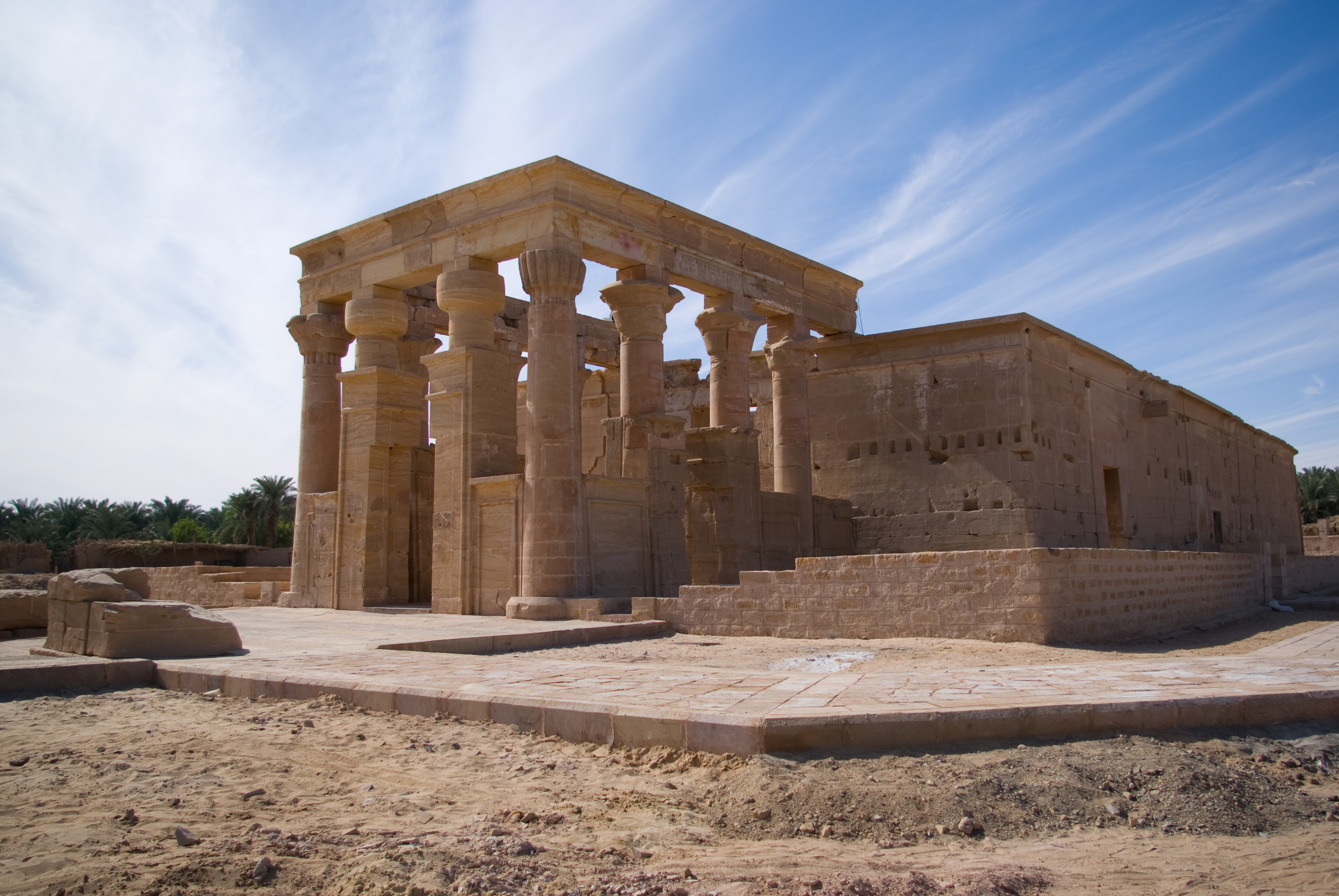
Al Kharijah, Egypt
Data updated Sep 3, 2026
📊 Scores
Agriculture dominates Kharga's economy—date palms, wheat, and vegetables irrigated from deep desert aquifers employ most locals. Tourism is the secondary income driver: Roman temples, Darb El Arba'īn caravan routes, and archaeological sites pull visitors year-round. Government resettlement incentives and infrastructure projects create construction and administrative jobs. This isn't a freelancer hub; you're looking at agricultural work, tourism hospitality, or relying on remote income from elsewhere.
Rent runs $200–400/month for a modest apartment; imported goods cost 30–50% more than Cairo due to desert logistics. Healthcare exists but serious issues require Nile Valley travel. Arabic is essential—English is rare outside tourism. Bureaucracy is standard Egyptian friction: residency permits, work visas, and business registration require patience and local connections. The Kharga-Dakhla highway is paved but remote; flights to Cairo are available but irregular.
Summers exceed 45°C with zero rain; winters are pleasant (15–25°C). Food is fresh locally grown produce and dates; restaurants are basic. The expat community is tiny—mostly oil workers, archaeologists, and NGO staff. Weekends mean desert exploration, temple visits, or driving to Dakhla Oasis. Kharga suits researchers, agricultural professionals, and people seeking genuine isolation with purpose—not digital nomads seeking cafés or social scenes.
🏚️ Cost of Living
💰 Budgets and Costs
Grocery Basket
Eating Out
Utilities & Lifestyle
Housing
A 1BR in the center runs about $81.84/mo. If your income is in another currency, bank FX fees add up. A multi-currency account can cut that cost.
See low-fee transfersWe may earn a commission at no cost to you.
💰 Real Spend Reports
🛡️ Safety & Crime
(Higher is safer)
(Lower is safer)
Al Kharijah is a remote oasis town in Egypt's Western Desert with limited expat infrastructure and moderate safety concerns. Petty theft and opportunistic crime occur, particularly in crowded markets and transportation hubs. The town's isolation means police response can be slow, and expats should avoid displaying valuables or cash. Political instability in Egypt and occasional security incidents in remote desert regions warrant awareness. For Americans, the main challenges are logistical—limited healthcare, banking services, and expat community support—rather than acute danger. This is a frontier posting suitable only for those with strong Arabic skills, security awareness, and genuine reasons to be there, not a comfortable retirement destination.
Al Kharijah has a safety index of 40/100. Petty theft and lost belongings are the most common problems for newcomers. Compare travel insurance before you go.
Compare travel insuranceWe may earn a commission at no cost to you.
🏥 Healthcare
🌤️ Climate
Best Months
Climate Notes
Al Kharijah experiences extreme desert heat in summer (May-September exceeding 40°C) with mild winters, very low humidity year-round, and minimal rainfall, making it challenging for expats unaccustomed to arid climates.
💻 Digital Nomad
Community Notes
| Name | Price/mo | Notes |
|---|---|---|
| Al Wadi Hotel & Co-working Space | $60 | Located within the Al Wadi Hotel, this space offers a relaxed atmosphere with reliable Wi-Fi, catering to travelers and remote workers. It's a central location in Al Kharijah, making it easy to access local amenities. |
| Kharga Oasis Hotel - Business Center | $75 | While primarily a hotel, the Kharga Oasis Hotel offers business center facilities suitable for coworking. Expect a professional environment with standard business amenities, situated within a well-known hotel in the city center. |
Working remotely from Al Kharijah? Nomad health insurance covers you across borders, month to month.
See nomad insuranceWe may earn a commission at no cost to you.
🧳 Expat Life
Expat Life Notes
Al Kharijah (Al Kharga) is the capital of the New Valley Governorate in the Western Desert of Egypt. It has very few expats beyond occasional desert expedition guides and researchers. Arabic is dominant and English is limited.
Pros
- ✓ Unique desert and oasis setting
- ✓ Very low cost of living
- ✓ Historically significant oasis on ancient caravan routes
Cons
- ✗ Extremely remote
- ✗ Very limited English
- ✗ No expat infrastructure
- ✗ Extreme heat
- ✗ Very basic amenities
🛂 Visa Options for Egypt
Many long-stay visas require proof of health insurance. Compare international health plans before you apply.
Compare health insuranceWe may earn a commission at no cost to you.
Not sure which Egypt visa you qualify for?
Answer 10 questions and get a personalized match in under 2 minutes.
Could living/working in Al Kharijah cut years off your work life?
With a 1-bedroom in the center at $49/mo, your FIRE number here might be much lower than you think.
Moving to Al Kharijah? Estimate what an international move would cost and compare mover quotes.
Estimate my move costShare This Guide
Al Kharijah won't stay this cheap forever.
Cost-of-living and visa updates for Al Kharijah and the rest of Egypt. Free with RA Postcards.
By submitting your email address, you will receive a free subscription to RA Postcards and special offers from Rewire Abroad and our affiliates. You can unsubscribe at any time, and we encourage you to read more about our Privacy Policy.