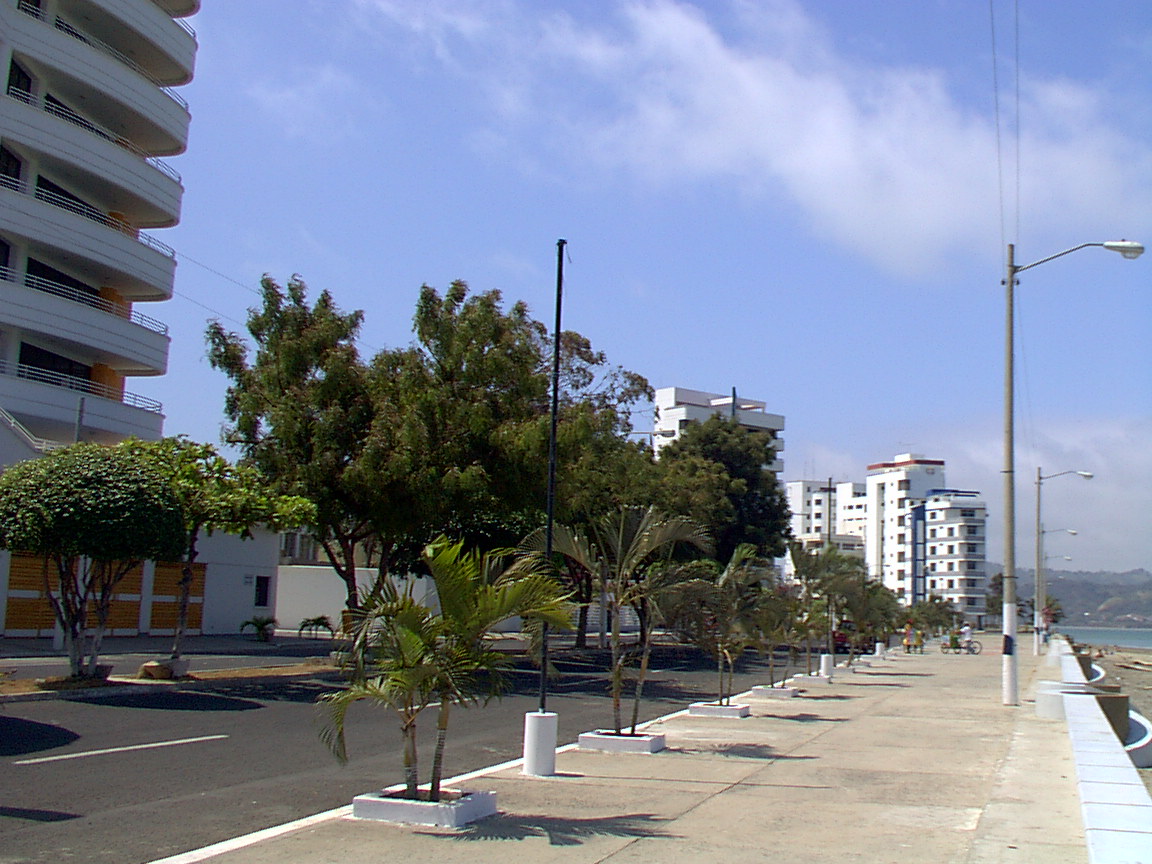
Bahia de Caraquez, Ecuador
Data updated Sep 3, 2026
📊 Scores
Shrimp farming dominates the local economy—6,000 hectares of aquaculture pools line the Chone River estuary, feeding processing plants and export operations that employ hundreds directly and thousands indirectly. Tourism is the second pillar: wealthy Ecuadorians from Quito and Guayaquil weekend here, supporting hotels, restaurants, and tour operators. The 2010 bridge to San Vicente improved regional commerce. Cattle ranching, pig farming, and poultry round out income sources. Most expats here either own tourism businesses, work remotely, or live off savings—there's no tech scene or corporate job market.
Rent runs $400–700/month for a decent two-bedroom near the waterfront; utilities add $60–100. The bridge cut travel time to larger cities significantly, though the airport (1,900m runway) handles only regional flights. Healthcare is basic—serious issues require Guayaquil (2.5 hours). Spanish is essential; English is rare outside tourist zones. Residency is straightforward on pensioner visas (minimum $1,350/month income). Bureaucracy is typical Ecuador: slow but navigable. Internet is adequate but not fast. Rainy season (December–May) brings humidity and occasional flooding.
Tropical heat year-round, mangrove kayaking, decent Pacific seafood, and a genuine ecocity ethos (recycling programs, environmental focus) define daily life. The expat community is small and tight—mostly retirees and remote workers. Weekends mean beach time, boat trips to nearby islands, or day trips to San Vicente. The social scene revolves around a handful of expat-friendly restaurants and the marina. This suits budget-conscious retirees, remote workers seeking low cost-of-living, and people genuinely interested in conservation—not those seeking nightlife or career growth.
🏚️ Cost of Living
💰 Budgets and Costs
Grocery Basket
Eating Out
Utilities & Lifestyle
Housing
A 1BR in the center runs about $500/mo. If your income is in another currency, bank FX fees add up. A multi-currency account can cut that cost.
See low-fee transfersWe may earn a commission at no cost to you.
💰 Real Spend Reports
🛡️ Safety & Crime
(Higher is safer)
(Lower is safer)
Bahia de Caraquez is moderately safe for expats, with a relatively low crime index reflecting its small-town coastal character. Petty theft and opportunistic robbery are the primary concerns, particularly in crowded markets and near the waterfront. Avoid displaying valuables, don't walk alone after dark, and stay alert in less-developed neighborhoods inland. Gang activity exists but rarely targets foreigners directly. The town's tourism infrastructure and established expat community provide some safety advantages. Overall, it's suitable for retirees and remote workers who exercise standard precautions and integrate locally.
Bahia de Caraquez has a safety index of 55/100. Petty theft and lost belongings are the most common problems for newcomers. Compare travel insurance before you go.
Compare travel insuranceWe may earn a commission at no cost to you.
🏥 Healthcare
🌤️ Climate
Best Months
Climate Notes
Bahia de Caraquez has a tropical climate with warm temperatures year-round, a pronounced rainy season from December to May, and a drier season from June to November that offers more comfortable conditions.
💻 Digital Nomad
Community Notes
| Name | Price/mo | Notes |
|---|---|---|
| CoWorking Bahia | $60 | A popular independent coworking space right in Bahia de Caraquez, offering a relaxed atmosphere, reliable internet, and a community of expats and locals. It's centrally located, making it easy to access restaurants and amenities. |
| Hotel La Piedra | $75 | While primarily a hotel, La Piedra offers a comfortable workspace with ocean views and reliable internet. It's a great option for those who prefer a quieter environment and enjoy having hotel amenities nearby. Located near the beach. |
Planning to live in Bahia de Caraquez long-term? Ecuador Digital Nomad Visa lets remote workers live legally with a minimum income of $1,275/month.
View full requirements →Working remotely from Bahia de Caraquez? Nomad health insurance covers you across borders, month to month.
See nomad insuranceWe may earn a commission at no cost to you.
🧳 Expat Life
Expat Life Notes
A coastal town known for its environmental initiatives. It has a small, tight-knit expat retiree community, though it is still recovering from past earthquakes.
Pros
- ✓ Laid-back coastal life
- ✓ Affordable beach living
- ✓ Safe environment
Cons
- ✗ Quiet social scene
- ✗ Limited modern healthcare
- ✗ Vulnerable to seismic activity
🛂 Visa Options for Ecuador
Many long-stay visas require proof of health insurance. Compare international health plans before you apply.
Compare health insuranceWe may earn a commission at no cost to you.
Living on investment or passive income? Ecuador Rentista Visa may be the right fit — minimum $1,446/month required.
View full requirements →Living on investment or passive income? Ecuador Pensionado Visa may be the right fit — minimum $1,446/month required.
View full requirements →Earning over $482/mo? You may qualify for a Ecuador visa.
Answer 10 questions and get a personalized match in under 2 minutes.
Could living/working in Bahia de Caraquez cut years off your work life?
With a 1-bedroom in the center at $200/mo, your FIRE number here might be much lower than you think.
Moving to Bahia de Caraquez? Estimate what an international move would cost and compare mover quotes.
Estimate my move costShare This Guide
Bahia de Caraquez won't stay this cheap forever.
Cost-of-living and visa updates for Bahia de Caraquez and the rest of Ecuador. Free with RA Postcards.
By submitting your email address, you will receive a free subscription to RA Postcards and special offers from Rewire Abroad and our affiliates. You can unsubscribe at any time, and we encourage you to read more about our Privacy Policy.