Tshikapa, Democratic Republic of the Congo
Data updated Sep 29, 2026
📊 Scores
Best fit: FIRE / Geoarbitrage (score: 47)
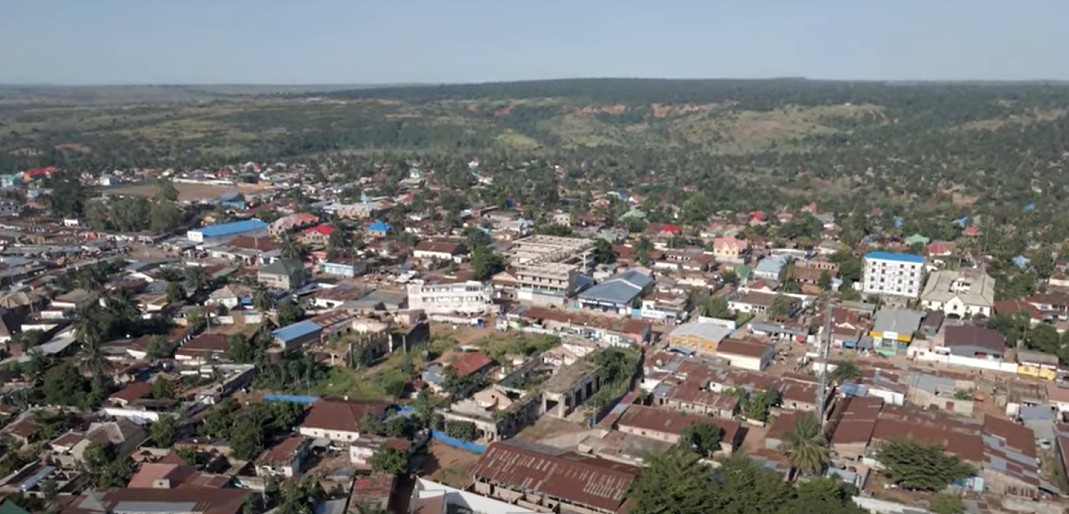
Diamond mining built this city and continues to define it, but the wealth has never trickled down in any meaningful way. Forminière started industrial extraction over a century ago, and today artisanal diggers still sift through riverbeds hoping for a stone that changes their lives — most don't find one. There's no significant formal employer base outside of provincial government administration and a handful of NGOs. The informal economy — small trading, subsistence farming, artisanal mining — is how the overwhelming majority of Tshikapa's one million residents survive day to day.
A one-bedroom in the city center runs around $250/month, which sounds low until you account for what that buys: likely no reliable electricity, no piped clean water, and roads that are mostly unpaved. The N1 Highway Bridge collapse in 2020 exposed just how fragile regional connectivity is here. There are three hospitals for over a million people. French is the official language, Tshiluba dominates locally, and English is essentially useless. Bureaucracy operates slowly and often opaquely. Importing anything or formalizing a business involves layers of friction that can take months.
The tropical savanna climate means a punishing wet season from September through May and a brief dry window in June and July. Food is local and basic — cassava, fish, produce from informal markets where goods are displayed on the ground. There is no expat social scene to speak of; the foreign presence is limited almost entirely to humanitarian workers on rotation. Weekends mean local markets, the river, and community life. This city suits only aid workers, researchers, or people with deep personal or professional roots in the Kasai region — not lifestyle seekers.
🏚️ Cost of Living
💰 Budgets and Costs
Grocery Basket
Eating Out
Utilities & Lifestyle
Housing
A 1BR in the center runs about $250/mo. If your income is in another currency, bank FX fees add up. A multi-currency account can cut that cost.
See low-fee transfersWe may earn a commission at no cost to you.
💰 Real Spend Reports
🛡️ Safety & Crime
(Higher is safer)
(Lower is safer)
Tshikapa presents significant safety challenges for expats. With a Safety Index of 30, this diamond-mining city experiences high rates of theft, armed robbery, and violent crime, particularly in crowded markets and after dark. Gang activity and carjackings occur regularly. The broader DRC context—including political instability, weak law enforcement, and limited emergency services—compounds risks. Expats should avoid displaying wealth, use trusted drivers, stay in secure compounds, and maintain low profiles. This city is not recommended for those seeking a comfortable, secure retirement or remote work environment.
Tshikapa has a safety index of 30/100. Petty theft and lost belongings are the most common problems for newcomers. Compare travel insurance before you go.
Compare travel insuranceWe may earn a commission at no cost to you.
🏥 Healthcare
🌤️ Climate
Best Months
Climate Notes
Tropical savanna climate; consistently warm with a long rainy season.
💻 Digital Nomad
Community Notes
| Name | Price/mo | Notes |
|---|---|---|
| Kinshasa Digital | $150 | While technically based in Kinshasa, Kinshasa Digital offers remote work solutions and may have partnerships or be able to facilitate access to shared workspaces in Tshikapa. They focus on supporting digital businesses and entrepreneurs, which could be a good fit for expats. |
| Regus Kinshasa | $200 | Although located in Kinshasa, Regus is a global brand and may offer virtual office services or connections to workspaces in other DRC cities like Tshikapa. Check with them directly about options for accessing workspace solutions outside of Kinshasa. Provides a professional and reliable environment. |
Working remotely from Tshikapa? Nomad health insurance covers you across borders, month to month.
See nomad insuranceWe may earn a commission at no cost to you.
🧳 Expat Life
Expat Life Notes
Tshikapa is a diamond mining center in the Kasai region of DRC. It is extremely underdeveloped with high security risks for foreigners.
Pros
- ✓ Diamond trade opportunities
Cons
- ✗ Severe poverty
- ✗ High crime
- ✗ Lack of any infrastructure
Could living/working in Tshikapa cut years off your work life?
With a 1-bedroom in the center at $250/mo, your FIRE number here might be much lower than you think.
Moving to Tshikapa? Estimate what an international move would cost and compare mover quotes.
Estimate my move costShare This Guide
Tshikapa won't stay this cheap forever.
Cost-of-living and visa updates for Tshikapa and the rest of Democratic Republic of the Congo. Free with RA Postcards.
By submitting your email address, you will receive a free subscription to RA Postcards and special offers from Rewire Abroad and our affiliates. You can unsubscribe at any time, and we encourage you to read more about our Privacy Policy.