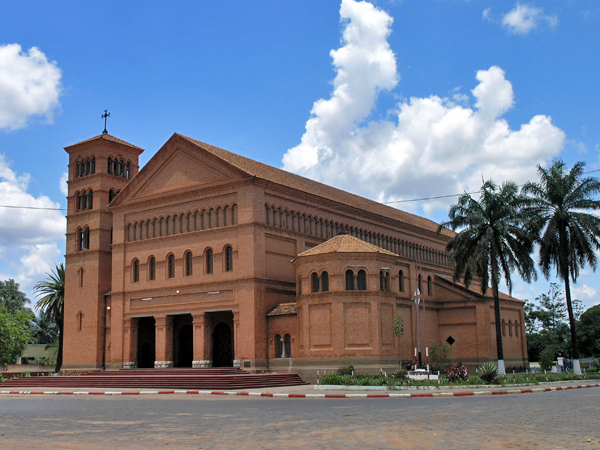
Lubumbashi, Democratic Republic of the Congo
Data updated Sep 29, 2026
📊 Scores
Best fit: FIRE / Geoarbitrage (score: 50)
Copper mining dominates Lubumbashi's economy entirely—it's the reason the city exists. Major operators like Glencore and Chemaf extract and process ore in surrounding regions, creating jobs for engineers, logistics staff, and skilled workers. Most expat employment centers on mining companies, trading firms, or NGOs; remote work is common since local opportunities outside extraction are limited. The industry generates wealth but concentrates it sharply, leaving service-sector wages depressed.
Rent for a one-bedroom in the city center runs $250/month, though expat compounds cost significantly more. Electricity and water are unreliable; generators and water tanks are standard. Healthcare is genuinely weak—serious issues require evacuation to South Africa or Europe. French is essential; English barely functions outside mining offices. Bureaucracy is slow and opaque; residency permits require patience and connections. Security is real friction: the safety index sits at 38, and certain neighborhoods are off-limits after dark.
Tropical savanna climate means hot year-round with a brutal rainy season (November–March). Food is basic—imported goods are expensive, local markets offer limited variety. Social life revolves tightly around the expat mining community; weekends mean private clubs, expat dinners, or day trips to nearby nature reserves. The expat bubble is small and insular. This city suits only those with mining-sector employment, high security tolerance, and no expectation of cosmopolitan amenities.
🏚️ Cost of Living
💰 Budgets and Costs
Grocery Basket
Eating Out
Utilities & Lifestyle
Housing
A 1BR in the center runs about $250/mo. If your income is in another currency, bank FX fees add up. A multi-currency account can cut that cost.
See low-fee transfersWe may earn a commission at no cost to you.
💰 Real Spend Reports
🛡️ Safety & Crime
(Higher is safer)
(Lower is safer)
Lubumbashi presents significant safety challenges for expats. With a Safety Index of 38, the city experiences elevated rates of armed robbery, carjacking, and home invasions, particularly in less-secure neighborhoods. Gang activity and petty theft are common; avoid displaying valuables and traveling alone after dark. The broader DRC context—including regional instability and limited police capacity—compounds risks. Expats typically live in gated compounds with security. This city is suitable only for those with security-conscious employers, established expat networks, and genuine professional necessity; it's not recommended for remote workers seeking a relaxed retirement.
Lubumbashi has a safety index of 38/100. Petty theft and lost belongings are the most common problems for newcomers. Compare travel insurance before you go.
Compare travel insuranceWe may earn a commission at no cost to you.
🏥 Healthcare
🌤️ Climate
Best Months
Climate Notes
Lubumbashi has a subtropical highland climate with warm, wet summers (November–March, 35°C highs) and mild, dry winters (May–August, 9°C lows), offering moderate humidity year-round.
💻 Digital Nomad
Community Notes
| Name | Price/mo | Notes |
|---|---|---|
| Regus Lubumbashi | $250 | Regus offers a reliable and professional coworking environment in Lubumbashi. Located in a central business district, it provides essential amenities like high-speed internet, meeting rooms, and administrative support, making it suitable for expats seeking a structured workspace. |
| Impact Hub Lubumbashi | $150 | Impact Hub Lubumbashi is a community-focused coworking space that caters to entrepreneurs and social innovators. It offers a collaborative atmosphere, workshops, and networking opportunities, ideal for remote workers looking to connect with the local business scene and engage in meaningful projects. |
Working remotely from Lubumbashi? Nomad health insurance covers you across borders, month to month.
See nomad insuranceWe may earn a commission at no cost to you.
🧳 Expat Life
Could living/working in Lubumbashi cut years off your work life?
With a 1-bedroom in the center at $250/mo, your FIRE number here might be much lower than you think.
Moving to Lubumbashi? Estimate what an international move would cost and compare mover quotes.
Estimate my move costShare This Guide
Lubumbashi won't stay this cheap forever.
Cost-of-living and visa updates for Lubumbashi and the rest of Democratic Republic of the Congo. Free with RA Postcards.
By submitting your email address, you will receive a free subscription to RA Postcards and special offers from Rewire Abroad and our affiliates. You can unsubscribe at any time, and we encourage you to read more about our Privacy Policy.