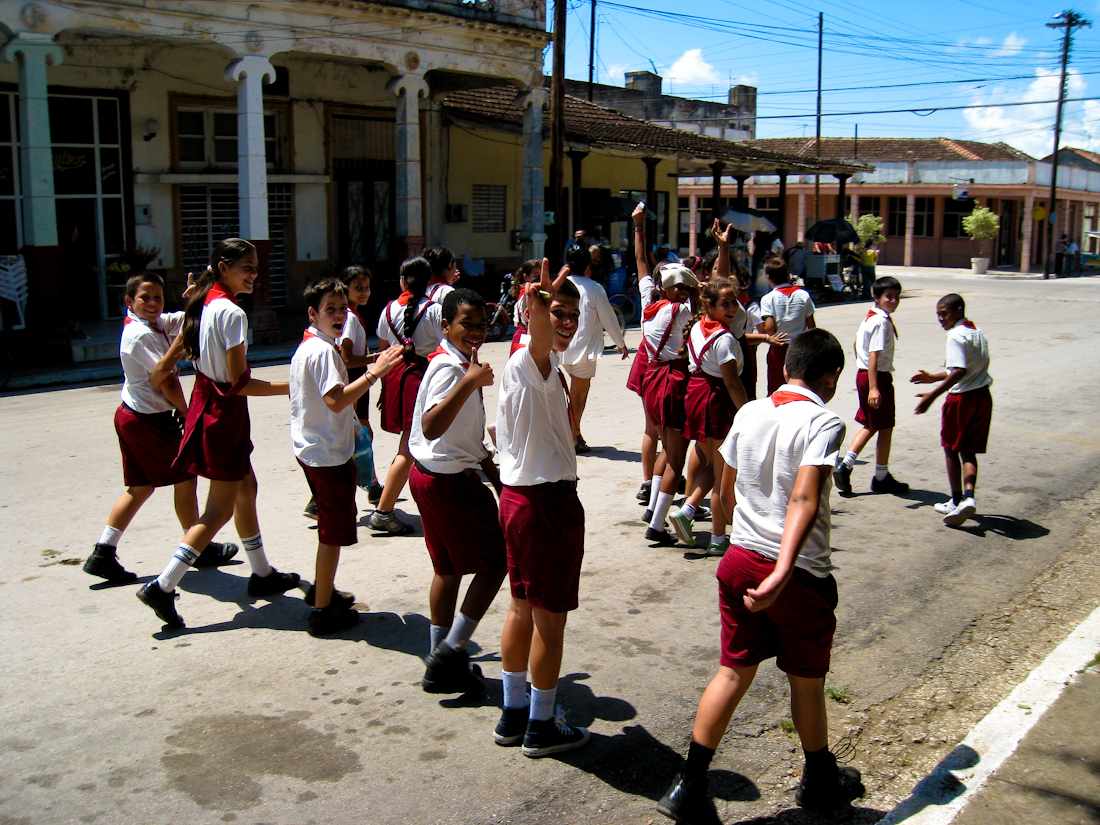
Placetas, Cuba Hero Image
Wikipedia Contributor, CC BY-SA

Placetas, Cuba

Data updated Jul 2, 2026

Follows Cuba Residency Rules. Check Digital Nomad & Retiree Pathways →

📊 Scores

82
FIRE
50
Retiree
44
Digital Nomad

Best fit: FIRE / Geoarbitrage (score: 80)

Aluminum production dominates Placetas's economy—the town earned its 'capital of aluminum' nickname through multiple factories and export operations that remain the primary employer. Sugar mills that once anchored the local economy have all closed, leaving significant economic gaps. Remittances from the 2,300-strong diaspora in Miami prop up household incomes substantially; many residents rely on monthly transfers rather than formal employment. Tourism and transportation logistics matter minimally here.

Rent runs $140/month for a one-bedroom in the city center, but that's misleading—supermarkets are frequently empty, electricity cuts are routine, and internet is unreliable and expensive. Healthcare exists but medication shortages are chronic; serious issues require travel to Havana. Spanish is essential; English is rare. Bureaucracy for residency or business registration is opaque and slow. The Carretera Central runs through town, making intercity travel feasible by bus or shared taxi, though schedules are unpredictable.

Tropical heat year-round, with July carnivals and December festivities providing social anchors. Colonial architecture downtown is photogenic but crumbling. The expat community is tiny—mostly retirees with family ties or remote workers tolerating poor connectivity. Weekends mean family gatherings, rum, and occasional beach trips to nearby coastal towns. Placetas suits only those with deep family roots here, remittance income, or exceptional patience for scarcity and isolation.

Estimate the cost of moving to Placetas, Cuba

Get a free moving cost estimate for moving to Placetas, Cuba. Takes 10 seconds.

How much are you shipping?

When are you moving?

Powered by Sirelo. Free quotes from verified international movers.

🏚️ Cost of Living

💰 Budgets and Costs

$1275/mo
Selected: mid-range lifestyle
This mid-range budget allows for a comfortable lifestyle in Placetas. Housing is a one-bedroom apartment outside the centre ($700/mo), with home cooking ($118/mo on groceries) and dining out a few times a week ($127/mo). A monthly transport pass covers commuting ($20/mo). A gym membership is included ($40/mo). Utilities and connectivity round out to $270/mo.

Budgets (excl. rent)

Single person$280/mo
Family of 4$850/mo

These exclude rent. The tiers above are all-in monthly budgets.

Grocery Basket

Milk (1L)$2
Bread (loaf)$2
Eggs (12)$1.2
Rice (1kg)$1
Chicken (1kg)$3.05

Eating Out

Meal (Inexpensive)$15
Meal (Mid-range)$13.48
Cappuccino$3.1
Water (0.33L)$1.83
Restaurant Density0 /km²

Utilities & Lifestyle

Utilities (mo)$35
Mobile Plan (mo)$15
Transport Pass (mo)$20
Gym (mo)$40
Cinema Ticket$1

Housing

1BR Center (mo)$200
1BR Outside (mo)$700
3BR Center (mo)$950
3BR Outside (mo)$600

A 1BR in the center runs about $200/mo. If your income is in another currency, bank FX fees add up. A multi-currency account can cut that cost.

See low-fee transfers

We may earn a commission at no cost to you.

🛡️ Safety & Crime

60
Safety Index

(Higher is safer)

40
Crime Index

(Lower is safer)

Placetas is a relatively safe provincial Cuban city with low violent crime rates typical of rural areas. Petty theft and opportunistic crime targeting foreigners exist but are not widespread. Main concerns include limited police presence, unreliable emergency services, and the general scarcity economy creating occasional desperation. Avoid displaying wealth, secure valuables, and stay aware in crowded markets. The geopolitical isolation and US embargo create infrastructure challenges rather than direct safety threats. For expats, this is a manageable environment if you maintain situational awareness and adapt to local norms.

Placetas has a safety index of 60/100. Petty theft and lost belongings are the most common problems for newcomers. Compare travel insurance before you go.

Compare travel insurance

We may earn a commission at no cost to you.

🏥 Healthcare

Poor
Public Hospitals
Yes
Private Clinics
Yes
English-Speaking Doctors
Limited

🌤️ Climate

Climate Zones
Tropical
Summer Temp
28°C
Winter Temp
23°C
Humidity
78%
Air Quality Index
45
Annual Rainfall
940 mm

Best Months

NovDecJanFebMarApr

Climate Notes

Placetas has a tropical climate with warm, humid conditions year-round, a wet season from May to October with frequent afternoon thunderstorms, and a drier, slightly cooler winter from November to April.

💻 Digital Nomad

Avg Internet Speed
5 Mbps
Internet (monthly)
$220/mo
Coworking Availability
None
Coworking Spaces Nearby
0
Digital Nomad Score
44/100

Community Notes

NamePrice/moNotes
No Official Coworking Spaces ExistPlacetas, Cuba, is a smaller city and currently lacks dedicated, established coworking spaces catering to digital nomads. Remote workers may need to rely on cafes with Wi-Fi or explore options in larger cities nearby.

Working remotely from Placetas? Nomad health insurance covers you across borders, month to month.

See nomad insurance

We may earn a commission at no cost to you.

🧳 Expat Life

English Proficiency
Limited
Expat Community
None
Top Neighborhoods
Centro
Banks Nearby
0
ATMs Nearby
0

Expat Life Notes

A traditional agricultural town in central Cuba. Minimal expat presence.

Pros

  • ✓ Historic feel

Cons

  • ✗ Severe supply shortages
  • ✗ Language barrier
  • ✗ Zero expat services

Could living/working in Placetas cut years off your work life?

With a 1-bedroom in the center at $200/mo, your FIRE number here might be much lower than you think.

Calculate My FIRE Date →

More Cities to Consider instead of Placetas

FAQ

Frequently Asked Questions about Placetas

Click any question to expand the answer.

Placetas has a population of approximately 71,208 people.
A single person can expect to spend around $500 per month in Placetas, including rent. A 1-bedroom apartment in the city center costs approximately $200/month.
The nearest airport to Placetas is SNU, approximately 14km away.
Placetas is considered relatively safe, with a safety index of 60.0. As with any city abroad, expats should research specific neighborhoods before committing to a location.
Placetas has an average internet speed of 5 Mbps. It is not yet considered a well-established digital nomad destination.
Cuba's residency process is opaque and slow. Most foreigners enter on tourist visas (renewable) or through family reunification if they have Cuban relatives. Business visas exist but require government approval and connections. Expect 3–6 months minimum and multiple trips to Havana for paperwork. No straightforward digital nomad or investor visa exists.
No. ETECSA (state monopoly) offers speeds of 1–3 Mbps on good days, with frequent outages. Monthly plans cost $30–50 USD. Mobile hotspots are slightly better but still unreliable. Video calls buffer constantly. Remote workers typically relocate to Havana or leave Cuba entirely. Placetas is not viable for serious online work.
Placetas has a safety index of 60 (moderate). Petty theft and scams targeting foreigners occur, especially around the bus station. Violent crime is rare but not absent. Avoid displaying cash or electronics. The town is quieter than Havana but offers fewer police resources. Solo travelers, especially women, should exercise standard caution and avoid walking alone after dark.
You can find basic apartments for around $150-300 USD per month, depending on the location and amenities. Expect to pay more for modern conveniences or central locations near Parque Martí. Negotiating directly with landlords is common.
Placetas is generally considered safe, with low rates of violent crime. Petty theft can occur, so it's wise to be aware of your surroundings, especially in crowded areas. The slower pace of life contributes to a relaxed and secure atmosphere.
English-speaking doctors are rare in Placetas itself. You'll likely need to travel to larger cities like Santa Clara or Havana for specialized care or to find medical professionals fluent in English. Public healthcare is available, but expats often prefer private clinics when accessible.
Local buses (guaguas) are the most affordable way to get around, but they can be crowded and infrequent. Taxis and 'almendrones' (shared taxis) are readily available and offer more flexibility. Walking is also a great option for exploring the central areas.
Groceries are relatively inexpensive, especially if you buy local produce at the farmers' markets. Eating out at local paladares (private restaurants) can cost anywhere from $5-15 USD per person, depending on the establishment and menu.
Placetas has a tropical climate with a wet and dry season. Expect hot and humid weather year-round, with the rainy season typically running from May to October. Hurricanes are a potential risk during the hurricane season (June to November).
Coworking spaces are not common in Placetas. Your best bet for remote work is finding a casa particular (homestay) or rental with reliable internet and a comfortable workspace. Some cafes might offer Wi-Fi, but it can be spotty.
International money transfers to Cuba can be challenging due to US sanctions. Services like Western Union are often unavailable. Explore options like using online platforms that facilitate remittances or carrying cash, but be aware of declaration requirements at customs. ATMs are available but can be unreliable, and US-issued cards usually don't work.
Placetas has a very small expat community compared to Havana or other tourist destinations. You'll need to be proactive in connecting with other expats online or through social media groups focused on Cuba. Expect to integrate primarily with the local community.
As a US citizen, you're still required to file US taxes even when living abroad. The Foreign Earned Income Exclusion (FEIE) can help you exclude a certain amount of your foreign-earned income from US taxes. You may also need to report foreign bank accounts (FBAR) if they exceed a certain threshold.
Placetas can be a good option for stretching a retirement income, especially if you're comfortable living a simple lifestyle. The cost of living is significantly lower than in the US, but access to certain goods and services may be limited. A monthly budget of $1000-1500 USD could provide a comfortable life.
English proficiency is not widespread in Placetas. Learning basic Spanish is essential for daily interactions and navigating local life. While some younger people may have some English knowledge, relying on it exclusively will be challenging.
Cuban culture is warm and welcoming, but it's important to be aware of certain differences. Patience is key, as things often move at a slower pace. Be prepared for potential shortages of goods and services. Directness is valued, but always maintain respect and politeness.

Share This Guide