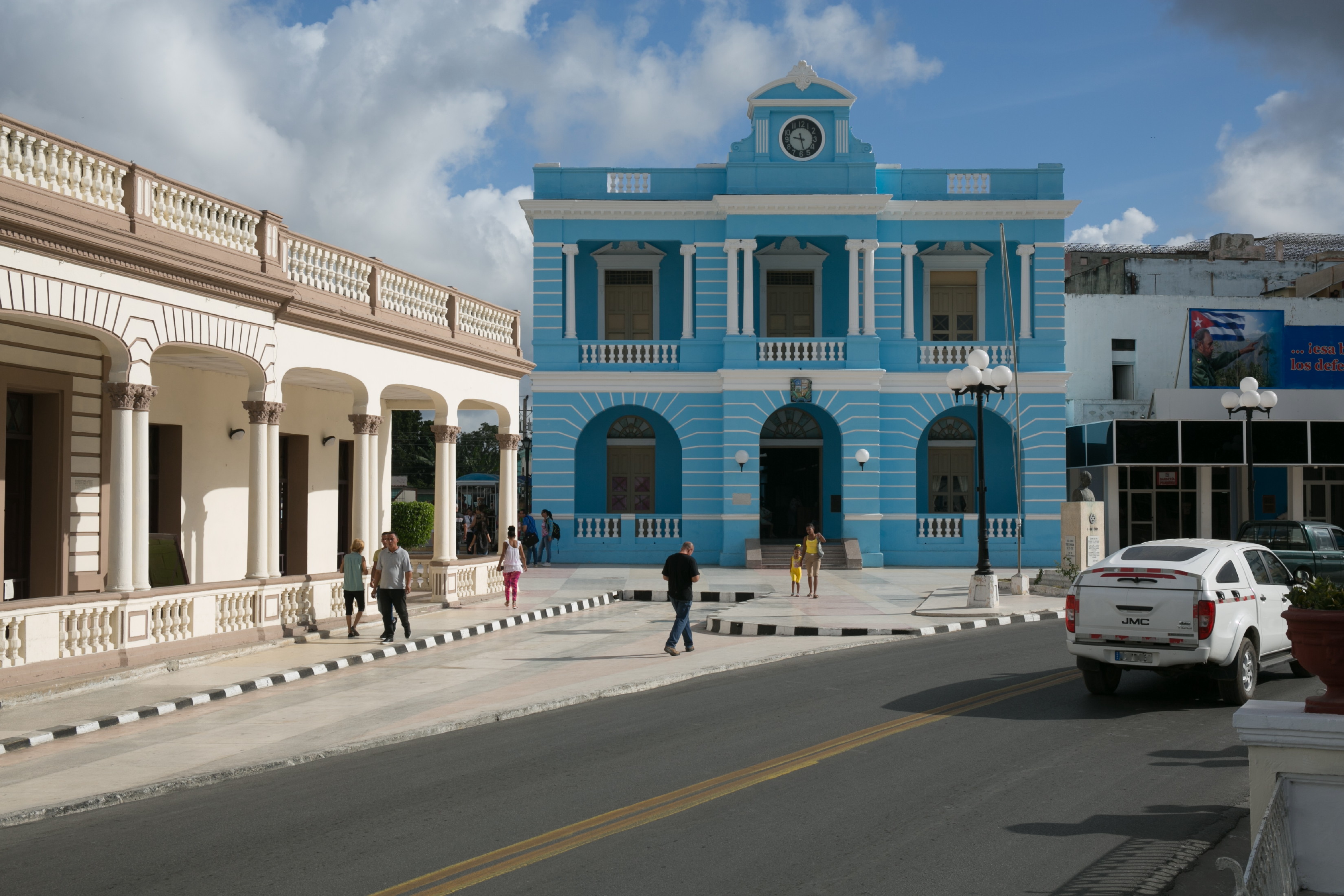
Las Tunas, Cuba
Data updated Sep 3, 2026
📊 Scores
Best fit: FIRE / Geoarbitrage (score: 77)
Agriculture drives the local economy, with sugar production and livestock farming employing much of the workforce alongside government positions typical of Cuban cities. The regional hub status along the Carretera Central brings some commerce and transport jobs, while two international hotels and 219 bed-and-breakfasts create limited tourism employment. Private entrepreneurship exists within Cuba's restricted framework, mainly casa particulares and small restaurants. Don't expect Silicon Valley salaries — most locals earn state wages around $20-50 monthly, making this unsuitable for traditional remote work income.
Rent averages $200/month for a city center one-bedroom, though finding quality housing requires patience and local connections. Public transport is unreliable buses and shared taxis, while owning a car means navigating fuel shortages and import restrictions. Healthcare is free but basic — serious conditions require travel to Havana. Spanish is essential; English speakers are rare outside hotels. Bureaucracy is genuinely painful: expect weeks for simple permits and frequent office visits with unclear requirements.
Year-round tropical heat hits 32°C+ daily with high humidity, though evenings cool slightly. The sculpture installations provide some cultural interest, and baseball games at Julio Antonio Mella Stadium offer genuine local atmosphere. Food is limited to Cuban staples with occasional shortages of basics. The expat community is virtually nonexistent — you'll be among maybe a dozen foreigners total. This suits adventurous retirees seeking authentic Cuba, not digital nomads or comfort-seekers.
🏚️ Cost of Living
💰 Budgets and Costs
Grocery Basket
Eating Out
Utilities & Lifestyle
Housing
A 1BR in the center runs about $200/mo. If your income is in another currency, bank FX fees add up. A multi-currency account can cut that cost.
See low-fee transfersWe may earn a commission at no cost to you.
💰 Real Spend Reports
🛡️ Safety & Crime
(Higher is safer)
(Lower is safer)
Las Tunas presents moderate safety concerns typical of provincial Cuban cities. Petty theft and pickpocketing occur, particularly in crowded markets and public transport; violent crime against foreigners is uncommon but property crime is a real risk. Avoid displaying valuables, use registered taxis, and stay in central areas after dark. The main hazard is opportunistic theft rather than organized crime. For American expats, the greater challenge is Cuba's political isolation and limited access to goods/services rather than street safety. The city is generally calmer than Havana but requires standard urban precautions.
Las Tunas has a safety index of 52/100. Petty theft and lost belongings are the most common problems for newcomers. Compare travel insurance before you go.
Compare travel insuranceWe may earn a commission at no cost to you.
🏥 Healthcare
🌤️ Climate
Best Months
Climate Notes
Las Tunas has a tropical climate with warm, humid conditions year-round, a wet season from May to October with frequent hurricanes, and a drier, slightly cooler winter from November to April.
💻 Digital Nomad
Community Notes
| Name | Price/mo | Notes |
|---|---|---|
| Las Tunas Coworking (Hypothetical) | $50 | Given the limited internet access and infrastructure in Las Tunas, a dedicated coworking space specifically catering to digital nomads is unlikely. This entry represents a hypothetical space offering basic amenities like Wi-Fi (if available), desk space, and a community atmosphere in the city center. |
| Hotel Las Tunas (Lobby/Common Area) | $30 | While not a dedicated coworking space, the Hotel Las Tunas likely offers a lobby or common area where remote workers could potentially set up. Expect limited privacy and potentially unreliable internet, but it's a central location and a possible option. |
Working remotely from Las Tunas? Nomad health insurance covers you across borders, month to month.
See nomad insuranceWe may earn a commission at no cost to you.
🧳 Expat Life
Expat Life Notes
A quiet eastern provincial city in Cuba with zero foreign infrastructure.
Pros
- ✓ Safe and quiet
- ✓ Low living costs
Cons
- ✗ Severe shortages of goods
- ✗ Poor internet
- ✗ No international jobs
Could living/working in Las Tunas cut years off your work life?
With a 1-bedroom in the center at $160/mo, your FIRE number here might be much lower than you think.
Moving to Las Tunas? Estimate what an international move would cost and compare mover quotes.
Estimate my move costShare This Guide
Las Tunas won't stay this cheap forever.
Cost-of-living and visa updates for Las Tunas and the rest of Cuba. Free with RA Postcards.
By submitting your email address, you will receive a free subscription to RA Postcards and special offers from Rewire Abroad and our affiliates. You can unsubscribe at any time, and we encourage you to read more about our Privacy Policy.