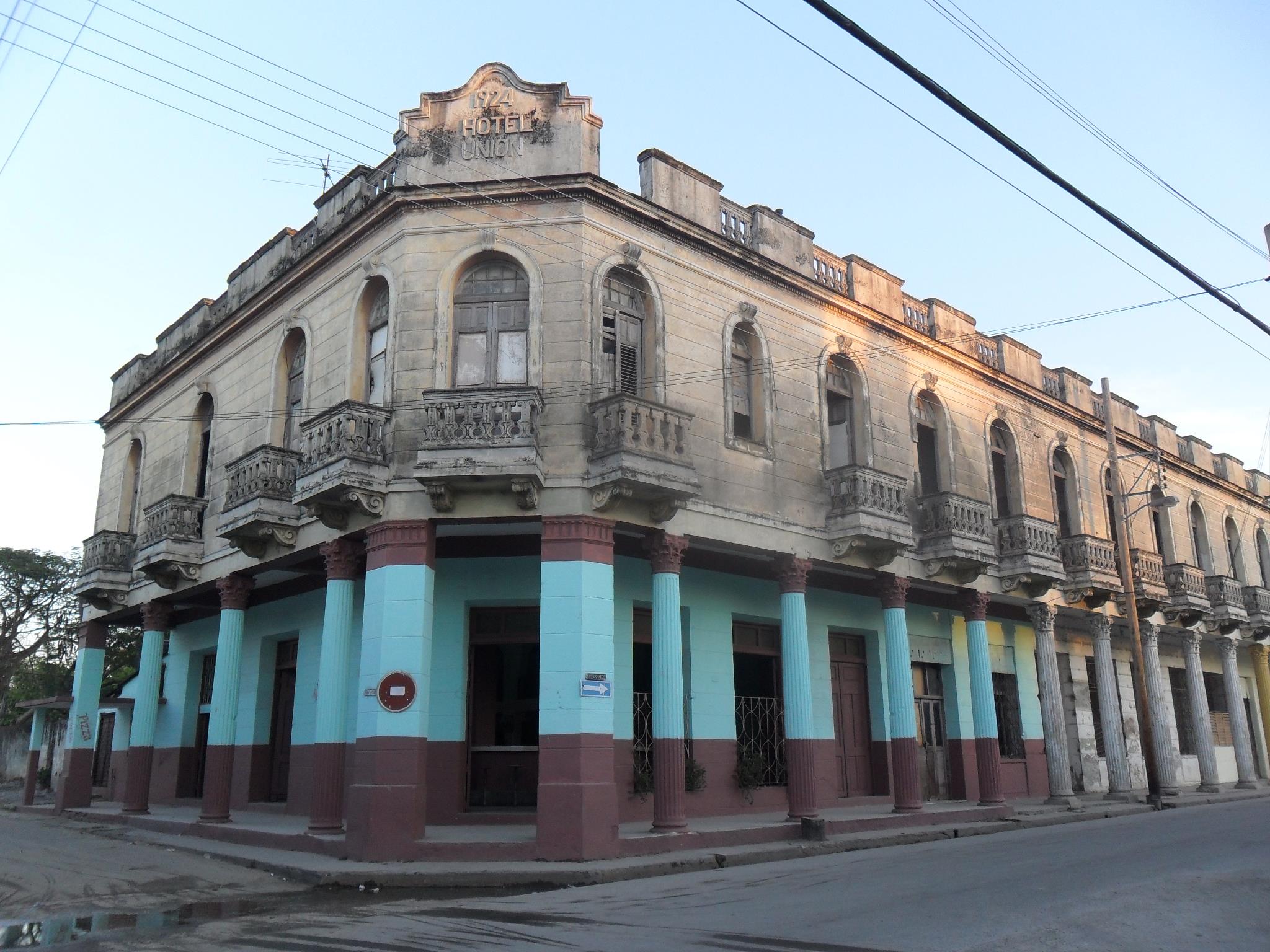
Florida, Cuba
Data updated Sep 3, 2026
📊 Scores
Best fit: FIRE / Geoarbitrage (score: 79)
Agriculture dominates Florida's economy—tobacco, sugarcane, and cattle ranching are the backbone. The Central Railway and Carretera Central connect you to Havana and Santiago, making it a transit hub rather than a destination for remote work. Most residents work in farming, state enterprises, or small-scale services. There are no tech jobs, no freelance economy, no digital nomad infrastructure. You're here to live cheaply on savings or a foreign pension, not to earn.
Rent runs $140/month for a one-bedroom in town—genuinely cheap. Healthcare is state-run and free; 283 doctors and 125 facilities serve 71,000 people, so access is reasonable if you speak Spanish (essential here; English is rare). Transport is buses and shared taxis; owning a car requires hard currency and bureaucratic approval. Bureaucracy is real: residency paperwork is slow, currency exchange is restricted, and internet is spotty and expensive. Expect friction on every administrative task.
Tropical climate, flat terrain, and a young population (median age around 35) give Florida a rural, agricultural feel. Weekends mean local festivals—Carnaval Floridano, Semana de la Cultura—plus baseball games and Casa de Cultura events. The expat community is tiny; you'll be one of very few foreigners. This suits retirees on tight budgets, Spanish speakers seeking authentic rural Cuba, and people comfortable with isolation and limited amenities.
🏚️ Cost of Living
💰 Budgets and Costs
Grocery Basket
Eating Out
Utilities & Lifestyle
Housing
💰 Real Spend Reports
🛡️ Safety & Crime
(Higher is safer)
(Lower is safer)
Florida, Cuba presents moderate safety concerns for expats. While the Numbeo Safety Index of 54 suggests reasonable conditions, petty theft, pickpocketing, and opportunistic crime targeting foreigners are common in tourist areas and crowded markets. Avoid displaying valuables, use registered taxis, and stay alert in Centro Habana and La Habana Vieja after dark. The broader geopolitical context—U.S. sanctions, limited rule of law, and restricted access to services—creates logistical challenges beyond typical crime. For remote workers with patience for bureaucratic friction and willingness to maintain low visibility, it's manageable; for those seeking straightforward expat infrastructure, consider elsewhere.
🏥 Healthcare
🌤️ Climate
Best Months
Climate Notes
Florida, Cuba has a tropical climate with warm, humid conditions year-round, a wet summer season (May–October) with frequent afternoon thunderstorms and hurricane risk, and a drier, slightly cooler winter (November–April).
💻 Digital Nomad
Community Notes
| Name | Price/mo | Notes |
|---|---|---|
| Regus - Tampa, North Dale Mabry | $250 | While not directly in Florida, Cuba, this Regus location in nearby Tampa offers a reliable and professional coworking environment. It's a good option for those who need a well-established brand and don't mind a short commute. |
| Tampa Bay Workspace | $200 | Located in Tampa, this workspace provides a community-focused environment with various membership options. It's a good choice for digital nomads looking for a collaborative atmosphere and networking opportunities near Florida, Cuba. |
| CoWork Tampa | $275 | Located in the heart of Tampa, CoWork Tampa offers a modern and vibrant workspace. It features amenities like high-speed internet, private meeting rooms, and a communal kitchen, making it suitable for remote workers seeking a professional yet comfortable setting. |
🧳 Expat Life
Expat Life Notes
A small agricultural city in Camaguey. Minimal infrastructure for foreigners.
Pros
- ✓ Authentic Cuban life
Cons
- ✗ Severe supply shortages
- ✗ Zero expat amenities
- ✗ Language barrier
Could living/working in Florida cut years off your work life?
With a 1-bedroom in the center at $84/mo, your FIRE number here might be much lower than you think.
Share This Guide
Florida won't stay this cheap forever.
Cost-of-living and visa updates for Florida and the rest of Cuba. Free with RA Postcards.
By submitting your email address, you will receive a free subscription to RA Postcards and special offers from Rewire Abroad and our affiliates. You can unsubscribe at any time, and we encourage you to read more about our Privacy Policy.