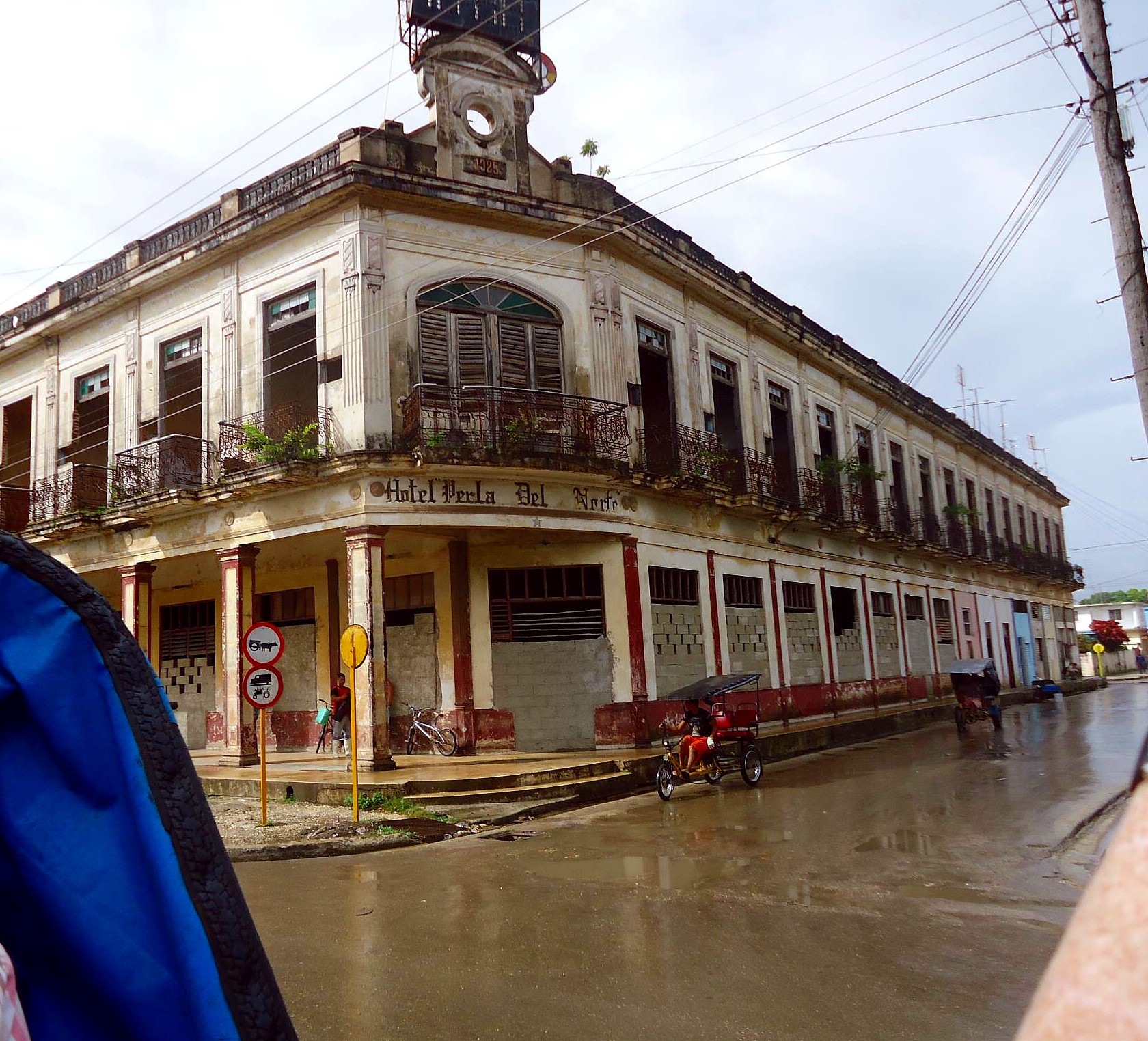
Cayo Coco, Cuba
Data updated Sep 3, 2026
📊 Scores
Tourism dominates entirely—all-inclusive resorts are the only real economy here, employing thousands in hospitality, food service, and entertainment since 1993. You won't find traditional job markets or remote work infrastructure; the 5,000 existing rooms (expanding to 32,000) mean resort work is the only local income path. Wages are low by expat standards, but housing and basics are heavily subsidized for resort employees. If you're not working in hospitality or tourism, you're here as a tourist or retiree with external income.
A 1BR in the city center runs $425/month, but that's misleading—most accommodation is resort-controlled. The 27km causeway connects you to mainland Cuba, though it raised salinity concerns in local waters. Healthcare exists but is basic; serious issues require travel to Havana. Spanish helps but isn't essential in tourist zones. Bureaucracy is Cuban bureaucracy: slow, opaque, and frustrating. Internet is unreliable and expensive. You'll need a car or rely on resort shuttles; public transport is minimal.
Year-round warm weather, pristine beaches, and world-class diving attract water sports enthusiasts. Weekends mean snorkeling the coral reef, exploring Hemingway literary sites, or watching wild flamingos. The expat community is tiny and transient—mostly resort workers and retirees. Hurricane season (June–November) is real; Irma devastated resorts in 2017. This suits only those working in tourism, wealthy retirees seeking isolation, or divers willing to accept limited infrastructure and zero job market.
🏚️ Cost of Living
💰 Budgets and Costs
Grocery Basket
Eating Out
Utilities & Lifestyle
Housing
A 1BR in the center runs about $425/mo. If your income is in another currency, bank FX fees add up. A multi-currency account can cut that cost.
See low-fee transfersWe may earn a commission at no cost to you.
💰 Real Spend Reports
🛡️ Safety & Crime
(Higher is safer)
(Lower is safer)
Cayo Coco is exceptionally safe for expats, with minimal street crime and a strong police presence throughout the resort area. The main risks are petty theft in crowded tourist zones and occasional scams targeting foreigners unfamiliar with local currency exchange rates. Violent crime is extremely rare. The primary concern for American expats is Cuba's political isolation and travel restrictions—ensure your residency status is legally clear before relocating. Overall, this is one of the safest Caribbean destinations for remote workers and retirees seeking a quiet, secure environment.
🏥 Healthcare
🌤️ Climate
Best Months
Climate Notes
Cayo Coco offers a tropical climate with warm temperatures year-round, a dry season from November to April, and a humid rainy season from May to October with occasional hurricanes.
💻 Digital Nomad
Community Notes
| Name | Price/mo | Notes |
|---|---|---|
| Hotel Melia Cayo Coco - Business Center (Likely Limited) | $75 | While not a dedicated coworking space, larger all-inclusive resorts like Melia Cayo Coco sometimes offer basic business center facilities. Expect limited amenities and potentially unreliable internet, but it's an option if you're staying at the resort and need a workspace. |
| Tryp Cayo Coco - Business Services (Likely Limited) | $75 | Similar to Melia, Tryp Cayo Coco may offer basic business services for guests. Internet access is likely to be the biggest challenge, but it could serve as a backup option for simple tasks if you are a guest. |
Working remotely from Cayo Coco? Nomad health insurance covers you across borders, month to month.
See nomad insuranceWe may earn a commission at no cost to you.
🧳 Expat Life
Expat Life Notes
Cayo Coco is a major resort island in Cuba's Jardines del Rey archipelago, connected to the mainland by causeway. It is an all-inclusive tourism zone with essentially no permanent expat residential community — foreign presence is almost entirely tourists and hospitality workers.
Pros
- ✓ Beautiful Caribbean beaches
- ✓ All-inclusive resort infrastructure
- ✓ Protected cays and wildlife
Cons
- ✗ Not a residential expat destination
- ✗ Very limited independent living options
- ✗ Internet and communication restrictions
- ✗ Cuba's complex entry and residency rules
- ✗ No expat community infrastructure
Could living/working in Cayo Coco cut years off your work life?
With a 1-bedroom in the center at $170/mo, your FIRE number here might be much lower than you think.
Moving to Cayo Coco? Estimate what an international move would cost and compare mover quotes.
Estimate my move costShare This Guide
Cayo Coco won't stay this cheap forever.
Cost-of-living and visa updates for Cayo Coco and the rest of Cuba. Free with RA Postcards.
By submitting your email address, you will receive a free subscription to RA Postcards and special offers from Rewire Abroad and our affiliates. You can unsubscribe at any time, and we encourage you to read more about our Privacy Policy.