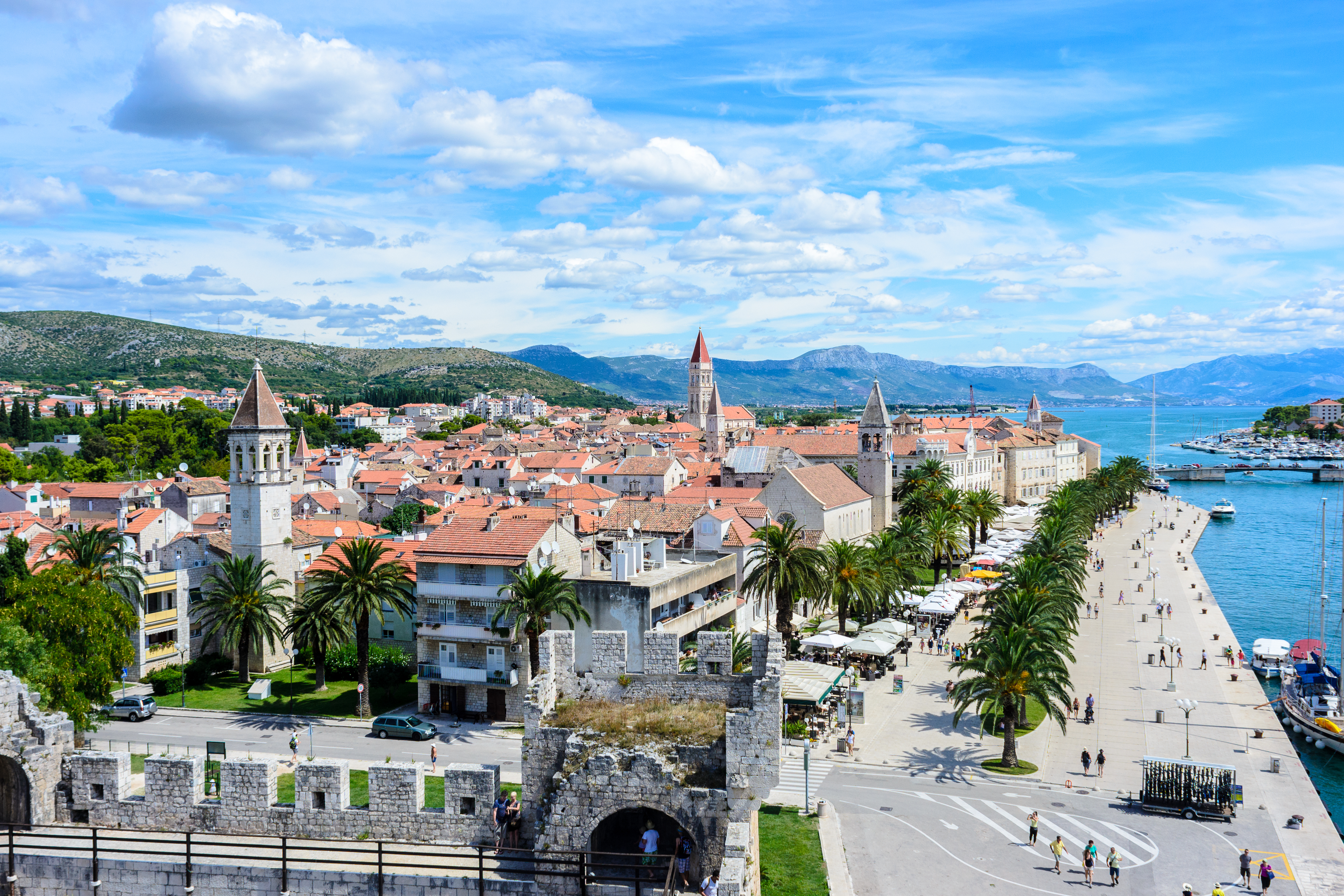
Trogir, Croatia
Data updated Sep 29, 2026
📊 Scores
Best fit: FIRE / Geoarbitrage (score: 77)
Tourism dominates Trogir's economy entirely—the UNESCO World Heritage status pulls 100,000+ visitors annually, and hotels, restaurants, boat charters, and vacation rentals are the only real employers. Seasonal work is abundant May–September but dries up October–April; locals and expats typically piece together multiple gigs or rely on remote work. Real estate speculation has accelerated since EU accession in 2013, inflating property prices and making permanent residency economically precarious unless you have external income.
A one-bedroom in the old town runs $580/month, but that's tourist-season pricing—winter drops 20–30%. Transport is manageable: buses to Split (27km) cost $3–4, ferries to Čiovo island are frequent, and a small marina serves water traffic. Healthcare is solid through the Croatian system, though English-speaking doctors require searching. Bureaucracy for residency is standard EU friction; language barrier is real—English works in tourism zones but fails inland. Winter isolation is genuine.
Summers are hot and crowded (26–28°C); winters mild but gray (8–10°C). Food is fresh seafood and Dalmatian wine, though restaurant prices cater to tourists. The expat community is small and transient—mostly digital nomads and retirees renting short-term. Weekends mean swimming, boat trips, or escaping to Split. Trogir suits remote workers seeking Mediterranean beauty and low cost, not people seeking year-round community or local employment.
🏚️ Cost of Living
💰 Budgets and Costs
Grocery Basket
Eating Out
Utilities & Lifestyle
Housing
A 1BR in the center runs about $690.66/mo. If your income is in another currency, bank FX fees add up. A multi-currency account can cut that cost.
See low-fee transfersWe may earn a commission at no cost to you.
💰 Real Spend Reports
🛡️ Safety & Crime
(Higher is safer)
(Lower is safer)
Trogir is genuinely safe for expats, with low violent crime and a tight-knit community feel. Petty theft and pickpocketing occur occasionally in tourist areas, particularly around the old town waterfront during peak season—standard precautions apply. Scams are minimal; the main concern is opportunistic theft from rental properties or vehicles. The Adriatic coast region remains politically stable post-2000s conflicts. For a 30-65 American seeking a quiet, walkable Mediterranean town with minimal security concerns, Trogir delivers. Exercise normal urban awareness, secure valuables, and you'll find it reliably peaceful.
Trogir has a safety index of 60/100. Petty theft and lost belongings are the most common problems for newcomers. Compare travel insurance before you go.
Compare travel insuranceWe may earn a commission at no cost to you.
🏥 Healthcare
🌤️ Climate
Best Months
Climate Notes
Trogir enjoys a Mediterranean climate with hot, dry summers (June-September) and mild, wet winters (December-February), making it ideal for beach lovers but requiring sun protection during peak season.
💻 Digital Nomad
Community Notes
| Name | Price/mo | Notes |
|---|---|---|
| Regus Split, Poljička cesta | $250 | While technically in Split, this Regus location on Poljička cesta is easily accessible from Trogir and offers a reliable, professional coworking environment with standard amenities. It's a good option for those who want a familiar, corporate-style workspace. |
| Amplitudo Coworking | $200 | Located in Split, but accessible from Trogir, Amplitudo Coworking provides a modern and collaborative workspace. It offers various membership options, meeting rooms, and a supportive community, making it suitable for digital nomads seeking a vibrant atmosphere. |
Planning to live in Trogir long-term? Croatia Digital Nomad Visa lets remote workers live legally with a minimum income of $3,762/month.
View full requirements →Working remotely from Trogir? Nomad health insurance covers you across borders, month to month.
See nomad insuranceWe may earn a commission at no cost to you.
🧳 Expat Life
Expat Life Notes
Trogir is a UNESCO-listed historic island town on the Dalmatian coast near Split. A small expat community of European retirees and lifestyle expats is drawn by its extraordinary medieval architecture and Adriatic access.
Pros
- ✓ UNESCO World Heritage old town
- ✓ Close to Split airport
- ✓ Beautiful Dalmatian island setting
Cons
- ✗ Very crowded in summer
- ✗ Limited English off-season
- ✗ Limited local healthcare
🛂 Visa Options for Croatia
Many long-stay visas require proof of health insurance. Compare international health plans before you apply.
Compare health insuranceWe may earn a commission at no cost to you.
Earning over $3,762/mo? You may qualify for a Croatia visa.
Answer 10 questions and get a personalized match in under 2 minutes.
Could living/working in Trogir cut years off your work life?
With a 1-bedroom in the center at $276/mo, your FIRE number here might be much lower than you think.
Estimate the cost of moving to Trogir, Croatia
Get a free moving cost estimate for moving to Trogir, Croatia. Takes 10 seconds.
How much are you shipping?
When are you moving?
Powered by Sirelo. Free quotes from verified international movers.
Share This Guide
Trogir won't stay this cheap forever.
Cost-of-living and visa updates for Trogir and the rest of Croatia. Free with RA Postcards.
By submitting your email address, you will receive a free subscription to RA Postcards and special offers from Rewire Abroad and our affiliates. You can unsubscribe at any time, and we encourage you to read more about our Privacy Policy.