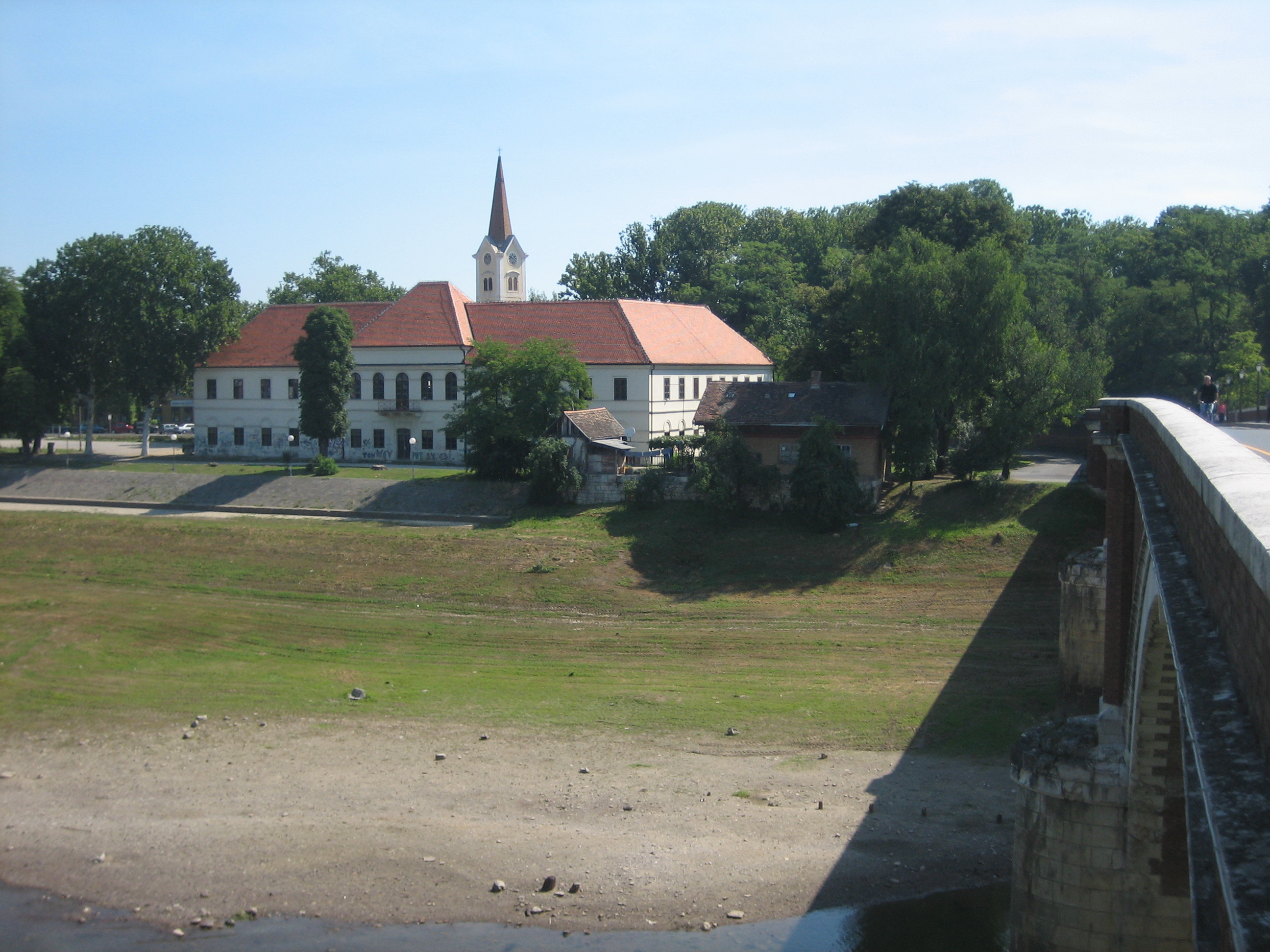
Sisak, Croatia
Data updated Sep 3, 2026
📊 Scores
The oil refinery dominates Sisak's economy—it's Croatia's largest and a major regional employer. River shipping via the Sava port (Dunavski Lloyd operates here) provides steady work in logistics and transport. Beyond that, the job market is thin. Most expats either work remotely, commute to Zagreb (45 minutes by train), or find niche roles in administration or tourism. This isn't a startup hub or digital nomad hotspot; it's industrial and regional.
Rent runs $550/month for a one-bedroom city center, utilities included—genuinely cheap. Public transport works but feels skeletal compared to Zagreb. Healthcare is accessible; Croatian public system covers basics, though specialists require patience. Language barrier is real; English proficiency drops sharply outside young professionals and tourism staff. Bureaucracy for residency is standard EU friction—expect 2–3 months for paperwork. No major friction points, but nothing streamlined either.
Summers are warm and pleasant; winters are cold and gray. Food is solid Balkan fare—grilled meat, fresh produce, cheap wine. The expat community is tiny, maybe 50–100 people total. Weekends mean exploring the Old Town fortress, hiking nearby Lonjsko Polje wetlands, or day-tripping to Zagreb. Sisak suits remote workers seeking ultra-low cost of living, quiet stability, and river-town character—not those chasing nightlife or a large English-speaking social scene.
🏚️ Cost of Living
💰 Budgets and Costs
Grocery Basket
Eating Out
Utilities & Lifestyle
Housing
A 1BR in the center runs about $477.95/mo. If your income is in another currency, bank FX fees add up. A multi-currency account can cut that cost.
See low-fee transfersWe may earn a commission at no cost to you.
💰 Real Spend Reports
🛡️ Safety & Crime
(Higher is safer)
(Lower is safer)
Sisak is a genuinely safe mid-sized city with low violent crime and a relaxed, local atmosphere. Petty theft and pickpocketing are minimal concerns; standard urban awareness suffices. The main risks are typical for the region: occasional scams targeting foreigners unfamiliar with local prices, and rare property disputes. The city's post-industrial character means fewer tourist traps than coastal Croatia. No neighborhoods are genuinely dangerous, though the outskirts are simply less developed. For an American seeking affordable, quiet retirement or remote work in a stable EU country, Sisak presents minimal safety barriers—your bigger adjustment will be the slower pace and limited English among older residents.
🏥 Healthcare
🌤️ Climate
Best Months
Climate Notes
Sisak has a continental climate with warm summers (June-August) and cold winters (December-February) with occasional snow, offering distinct seasonal changes typical of inland Croatia.
💻 Digital Nomad
Community Notes
| Name | Price/mo | Notes |
|---|---|---|
| Regus Sisak | $150 | Located in a central business area of Sisak, Regus offers a professional environment with reliable internet, meeting rooms, and administrative support. It's a solid option for expats seeking a familiar and structured coworking experience. |
| Coworking Sisak (Hypothetical - Local Business Incubator) | $80 | While a dedicated coworking space may not exist, local business incubators or community centers often provide shared workspace options. This hypothetical space offers a budget-friendly option with basic amenities and a focus on supporting local entrepreneurs and remote workers. |
Planning to live in Sisak long-term? Croatia Digital Nomad Visa lets remote workers live legally with a minimum income of $3,762/month.
View full requirements →Working remotely from Sisak? Nomad health insurance covers you across borders, month to month.
See nomad insuranceWe may earn a commission at no cost to you.
🧳 Expat Life
Expat Life Notes
A quiet city undergoing post-earthquake reconstruction. Expat presence is negligible.
Pros
- ✓ Very low costs
- ✓ Quiet life
Cons
- ✗ Lack of infrastructure
- ✗ High unemployment
🛂 Visa Options for Croatia
Many long-stay visas require proof of health insurance. Compare international health plans before you apply.
Compare health insuranceWe may earn a commission at no cost to you.
Earning over $3,762/mo? You may qualify for a Croatia visa.
Answer 10 questions and get a personalized match in under 2 minutes.
Could living/working in Sisak cut years off your work life?
With a 1-bedroom in the center at $191/mo, your FIRE number here might be much lower than you think.
Moving to Sisak? Estimate what an international move would cost and compare mover quotes.
Estimate my move costShare This Guide
Sisak won't stay this cheap forever.
Cost-of-living and visa updates for Sisak and the rest of Croatia. Free with RA Postcards.
By submitting your email address, you will receive a free subscription to RA Postcards and special offers from Rewire Abroad and our affiliates. You can unsubscribe at any time, and we encourage you to read more about our Privacy Policy.