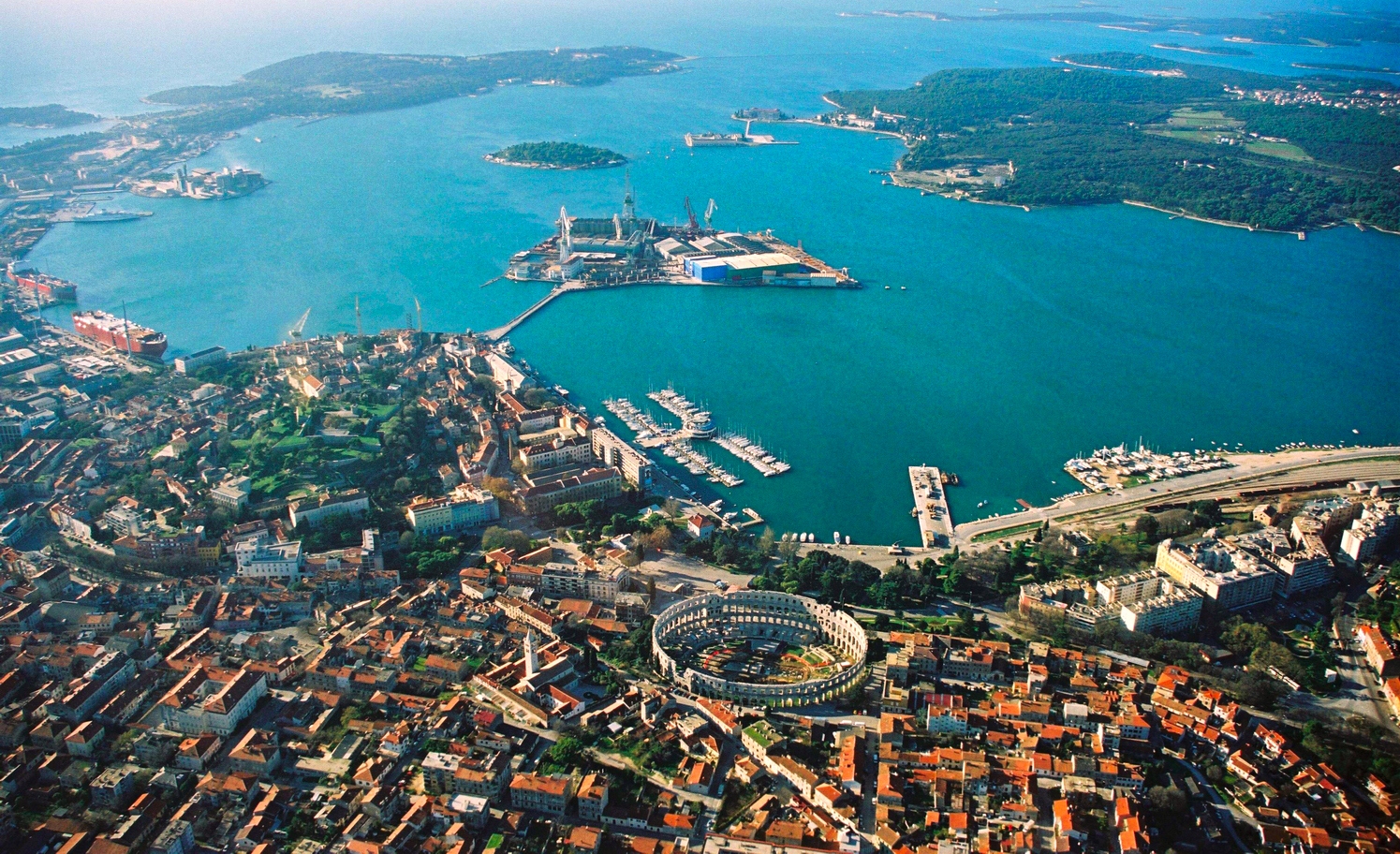
Pula, Croatia
Data updated Sep 3, 2026
📊 Scores
Best fit: FIRE / Geoarbitrage (score: 79)
Tourism dominates Pula's economy, anchored by the 2,000-year-old Roman Arena that pulls 600,000+ visitors annually. Shipbuilding still employs hundreds, though the industry has contracted since Yugoslavia's collapse. Wine production and fish canning represent the other pillar—Istrian wines command decent export prices. Remote work and seasonal tourism jobs absorb most expats; locals in stable roles work port authority, government, or tourism management. The economy is seasonal and tourism-dependent, meaning winter can feel genuinely quiet.
A one-bedroom city-center apartment runs $720/month; outside the center, $500–600 is realistic. Public transport is cheap ($0.80 per ride) but infrequent. Healthcare is solid—EU citizens access it through reciprocal agreements, others pay out-of-pocket (reasonable by Western standards). Croatian bureaucracy is real: residency permits require proof of income or employment, and the language barrier is genuine—English works in tourism zones, fails in administration. Expect 2–3 months for residency paperwork.
Summers are hot and crowded; winters mild (6–10°C) but gray. Food is excellent—fresh fish, local wine, truffle pasta—and cheap by EU standards. The expat community is small but tight, mostly digital nomads and retirees. Weekends mean beach trips to nearby Brijuni Islands, hiking in Motovun, or wine tastings in Rovinj (30 minutes away). Pula suits remote workers seeking low cost, Mediterranean climate, and genuine quiet outside July–August, not those needing year-round social buzz or career growth.
🏚️ Cost of Living
💰 Budgets and Costs
Grocery Basket
Eating Out
Utilities & Lifestyle
Housing
A 1BR in the center runs about $720/mo. If your income is in another currency, bank FX fees add up. A multi-currency account can cut that cost.
See low-fee transfersWe may earn a commission at no cost to you.
💰 Real Spend Reports
🛡️ Safety & Crime
(Higher is safer)
(Lower is safer)
Pula is genuinely safe for expats, with low violent crime and a relaxed Mediterranean atmosphere. Petty theft and pickpocketing occur occasionally in tourist areas and on public transport, but serious crime is rare. The main practical concerns are standard European issues: securing valuables, avoiding isolated areas late at night, and basic street awareness. The city's small size and tight-knit community create natural safety; locals are generally helpful to foreigners. No significant geopolitical risks affect daily life. For an American accustomed to major U.S. cities, Pula will feel noticeably safer and more predictable.
🏥 Healthcare
🌤️ Climate
Best Months
Climate Notes
Pula enjoys a Mediterranean climate with warm, dry summers (June-September) and mild, wet winters, making it ideal for beach lovers but requiring rain gear November through March.
💻 Digital Nomad
Community Notes
| Name | Price/mo | Notes |
|---|---|---|
| Regus Pula | $180 | Located in the heart of Pula, Regus offers a professional environment with various office solutions. It's a reliable option for those seeking a standard coworking experience with good connectivity and easy access to city amenities. |
| COIN Coworking Pula | $150 | COIN Coworking Pula provides a modern and collaborative workspace in the city center. It's known for its community events and focus on supporting local entrepreneurs and remote workers, making it a good choice for networking. |
| BICRO Coworking Pula | $120 | BICRO Coworking Pula offers a more budget-friendly option with a focus on supporting startups and innovative projects. It's located near the city center and provides a functional workspace with essential amenities. |
Planning to live in Pula long-term? Croatia Digital Nomad Visa lets remote workers live legally with a minimum income of $3,762/month.
View full requirements →Working remotely from Pula? Nomad health insurance covers you across borders, month to month.
See nomad insuranceWe may earn a commission at no cost to you.
🧳 Expat Life
Expat Life Notes
Pula is a historic coastal city with a decent year-round expat population and a surge of digital nomads in the summer.
Pros
- ✓ Roman history
- ✓ Stunning coastline
- ✓ Affordable for the EU
Cons
- ✗ Quiet in winter
- ✗ Bureaucracy is slow
- ✗ Tourist crowds in July
🛂 Visa Options for Croatia
Many long-stay visas require proof of health insurance. Compare international health plans before you apply.
Compare health insuranceWe may earn a commission at no cost to you.
Earning over $3,762/mo? You may qualify for a Croatia visa.
Answer 10 questions and get a personalized match in under 2 minutes.
Could living/working in Pula cut years off your work life?
With a 1-bedroom in the center at $432/mo, your FIRE number here might be much lower than you think.
Moving to Pula? Estimate what an international move would cost and compare mover quotes.
Estimate my move costShare This Guide
Pula won't stay this cheap forever.
Cost-of-living and visa updates for Pula and the rest of Croatia. Free with RA Postcards.
By submitting your email address, you will receive a free subscription to RA Postcards and special offers from Rewire Abroad and our affiliates. You can unsubscribe at any time, and we encourage you to read more about our Privacy Policy.