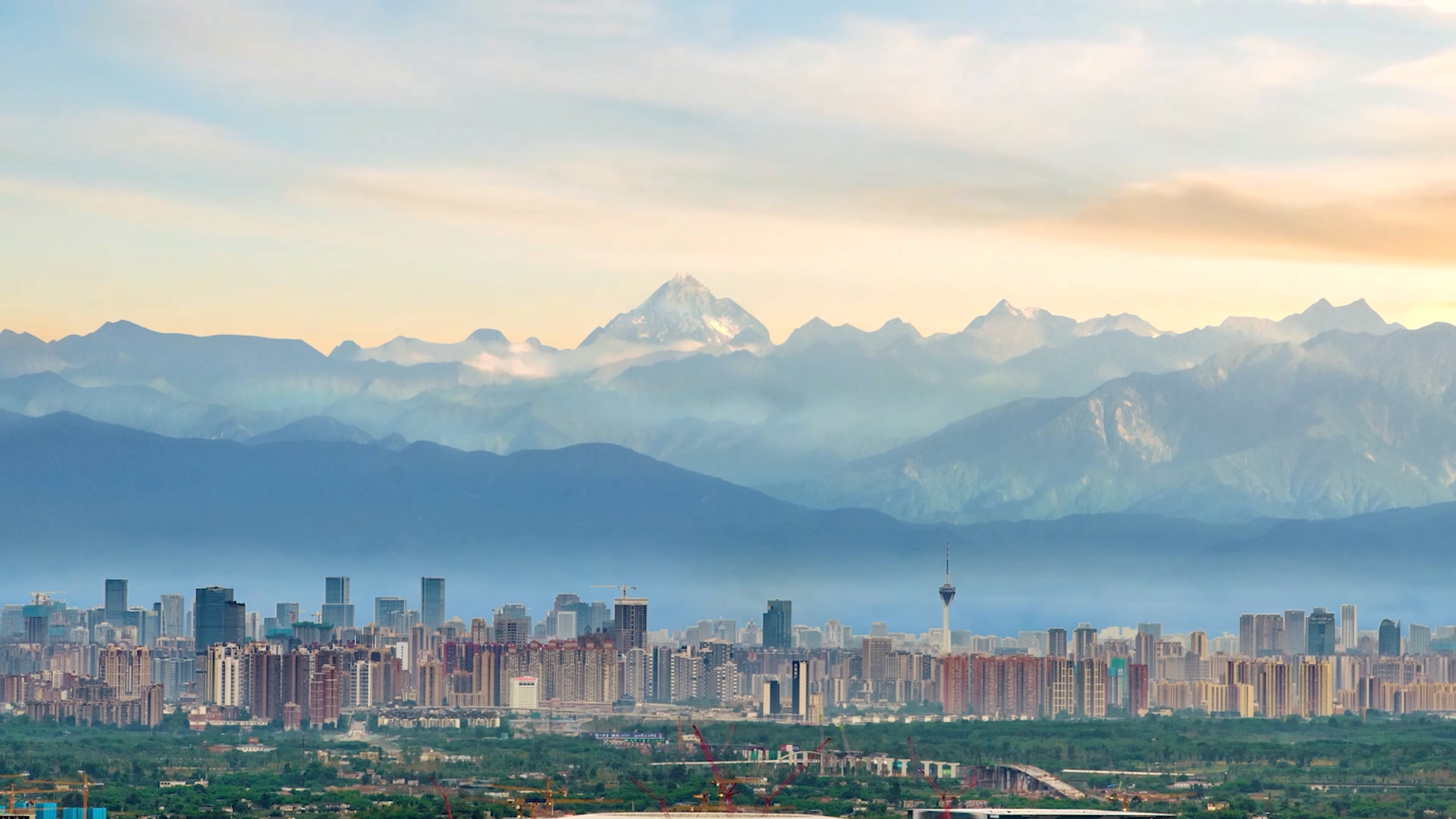
Zhu Cheng City, China
Data updated Sep 29, 2026
📊 Scores
Best fit: FIRE / Geoarbitrage (score: 82)
Tourism, manufacturing, and food processing drive most of the formal economy here. Major employers include pharmaceutical companies, automotive parts suppliers, and textile factories clustered in the city's industrial parks. The Song Dynasty heritage sites pull in hundreds of thousands of domestic tourists annually, supporting a hospitality and retail sector, but that work is seasonal and low-wage. Remote workers and digital nomads can theoretically live cheaply, but foreign professionals seeking local employment will find almost nothing — this is not a city with international hiring pipelines.
A decent one-bedroom apartment runs ¥1,200–1,800/month ($165–$250 USD), roughly 40–50% of what you'd pay in Beijing or Shanghai. The metro opened in 2017 and covers core areas adequately; high-speed rail connects you to Zhengzhou in under 30 minutes. Public healthcare exists but quality varies sharply — expats typically travel to Zhengzhou for anything serious. The language barrier is real and largely unmitigated: English signage is sparse, and finding English-speaking locals outside universities is genuinely difficult. Bureaucracy for residency registration is standard Chinese procedure but requires patience and a local contact.
Winters are cold and grey, dipping to 0–2°C with little insulation in older buildings; summers hit 28°C with humidity. The food scene is a legitimate draw — Kaifeng is known for its night market on Shudian Street, with local specialties like steamed buns and carp dishes that are cheap and genuinely good. The expat community is tiny, mostly English teachers and a handful of academics — don't expect a social infrastructure of international bars or networking events. Weekends mean temple visits, cycling along the old city walls, or day-tripping to Zhengzhou. This city suits budget-conscious history enthusiasts or FIRE retirees who speak Mandarin and genuinely prefer immersion over expat comfort.
🏚️ Cost of Living
💰 Budgets and Costs
Grocery Basket
Eating Out
Utilities & Lifestyle
Housing
A 1BR in the center runs about $250/mo. If your income is in another currency, bank FX fees add up. A multi-currency account can cut that cost.
See low-fee transfersWe may earn a commission at no cost to you.
💰 Real Spend Reports
🛡️ Safety & Crime
(Higher is safer)
(Lower is safer)
Zhu Cheng is a relatively safe mid-sized Chinese city with low violent crime rates typical of inland Shandong Province. Petty theft and scams targeting foreigners exist but are uncommon. Main concerns include navigating language barriers in emergencies, traffic safety (driving standards vary), and understanding local police procedures. Avoid displaying expensive items and use registered taxis or ride-sharing apps. The city lacks the expat infrastructure of major hubs like Shanghai, which may complicate visa issues or medical emergencies. Overall, it's safer than most American cities, though expats should expect less English support and fewer familiar safety systems.
🏥 Healthcare
🌤️ Climate
Best Months
Climate Notes
Zhu Cheng experiences a humid subtropical climate with hot, humid summers (June-August) and cold, dry winters (December-February), with spring and autumn offering mild, pleasant conditions.
💻 Digital Nomad
Community Notes
| Name | Price/mo | Notes |
|---|---|---|
| Regus Weifang Power International Plaza | $150 | While technically in Weifang, it's the closest internationally recognized coworking option to Zhu Cheng, offering a reliable and professional environment. Located in the Power International Plaza, it provides standard Regus amenities and is suitable for those needing a familiar and structured workspace. |
| UOVACN Coworking Space (青岛优沃空间众创空间) | $100 | Located in nearby Qingdao (but a viable option for some), UOVACN offers a modern coworking environment with various amenities, including meeting rooms and event spaces. It's a good option for those seeking a more community-focused workspace and is easily accessible from Zhu Cheng. |
Working remotely from Zhu Cheng City? Nomad health insurance covers you across borders, month to month.
See nomad insuranceWe may earn a commission at no cost to you.
🧳 Expat Life
🛂 Visa Options for China
Many long-stay visas require proof of health insurance. Compare international health plans before you apply.
Compare health insuranceWe may earn a commission at no cost to you.
Not sure which China visa you qualify for?
Answer 10 questions and get a personalized match in under 2 minutes.
Could living/working in Zhu Cheng City cut years off your work life?
With a 1-bedroom in the center at $250/mo, your FIRE number here might be much lower than you think.
Estimate the cost of moving to Zhu Cheng City, China
Get a free moving cost estimate for moving to Zhu Cheng City, China. Takes 10 seconds.
How much are you shipping?
When are you moving?
Powered by Sirelo. Free quotes from verified international movers.
Share This Guide
Zhu Cheng City won't stay this cheap forever.
Cost-of-living and visa updates for Zhu Cheng City and the rest of China. Free with RA Postcards.
By submitting your email address, you will receive a free subscription to RA Postcards and special offers from Rewire Abroad and our affiliates. You can unsubscribe at any time, and we encourage you to read more about our Privacy Policy.