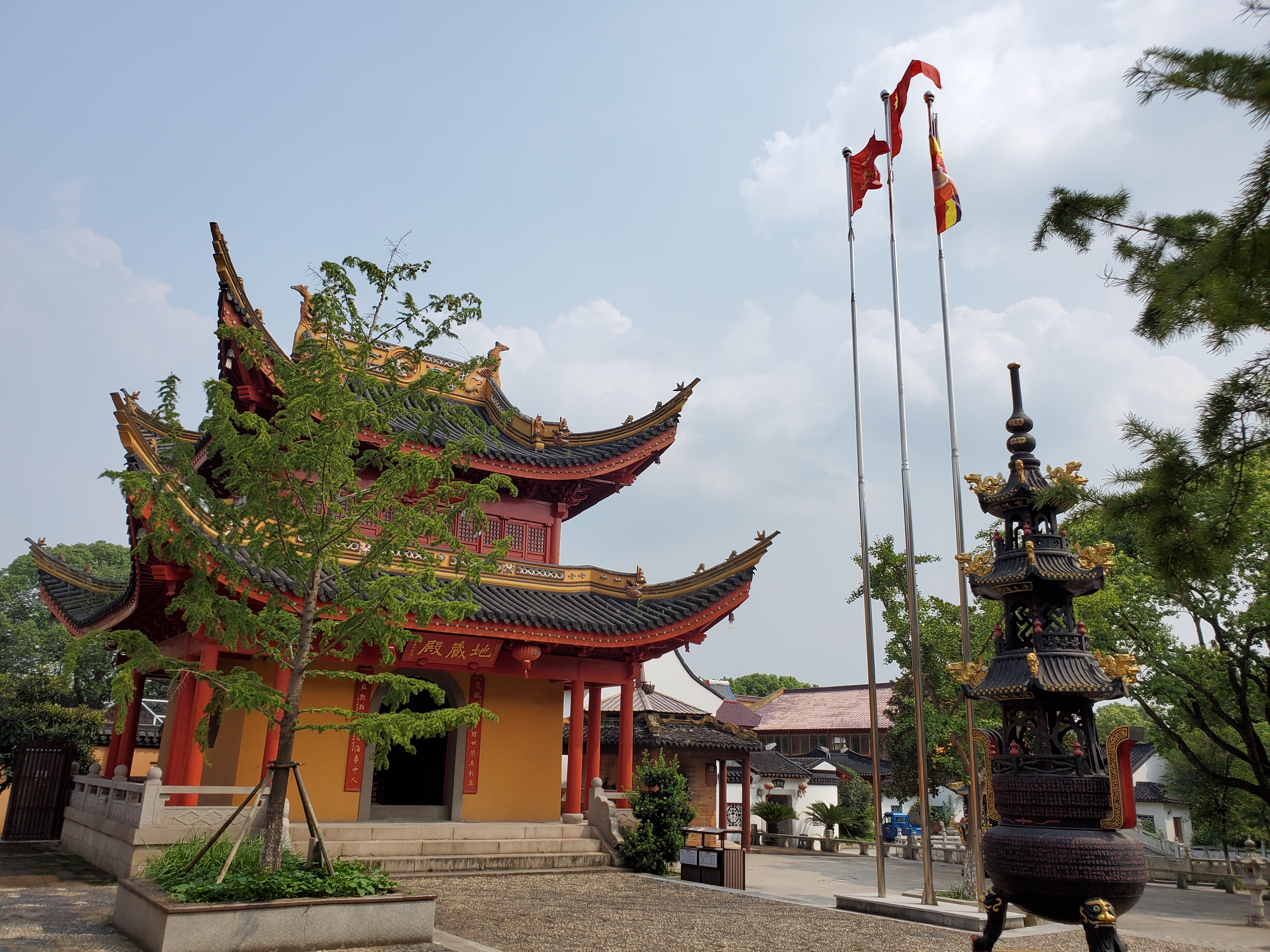
Zhangjiagang, China
Data updated Sep 29, 2026
📊 Scores
Best fit: FIRE / Geoarbitrage (score: 82)
Steel, chemicals, and port logistics are what keep Zhangjiagang's economy moving — and they move a lot of money. With a regional GDP of roughly 254.7 billion yuan and per capita GDP around $39,700 USD, this is one of China's wealthiest county-level cities, and it earns that status through heavy industry, not tourism or tech. Major employers include Shagang Group (one of China's largest private steel producers), Yangtze River port operations, and chemical manufacturing firms. Foreign professionals here are almost exclusively in industrial management, engineering, or supply chain roles tied to these sectors.
A two-bedroom apartment in a decent residential compound runs roughly ¥2,500–¥4,000/month ($350–$560 USD), noticeably cheaper than Shanghai but not the bargain you'd find in inland China. High-speed rail connects to Shanghai in about 90 minutes, which matters because Zhangjiagang itself has limited international amenities. The language barrier is real and largely unaddressed — English proficiency is low even by Chinese city standards, and navigating bureaucracy (residency registration, work permits, banking) without Mandarin or a company fixer is genuinely painful. International healthcare is essentially nonexistent locally; expats with serious needs go to Suzhou or Shanghai.
Summers are hot and humid, winters are cold and grey, and the shoulder seasons are genuinely pleasant. The food scene is solid Jiangsu-style — think braised pork, freshwater fish, and excellent dumplings — but international restaurant options are sparse. The expat community is small, mostly Western and Korean industrial professionals, and social life tends to revolve around company housing compounds and weekend trips to Suzhou or Shanghai. Shuangshandao Island offers a decent day out, but this is not a city with a rich weekend lifestyle. Zhangjiagang suits expats on company-sponsored industrial assignments who want lower costs than Shanghai and don't mind trading cosmopolitan life for a quieter, work-focused posting.
🏚️ Cost of Living
💰 Budgets and Costs
Grocery Basket
Eating Out
Utilities & Lifestyle
Housing
A 1BR in the center runs about $600/mo. If your income is in another currency, bank FX fees add up. A multi-currency account can cut that cost.
See low-fee transfersWe may earn a commission at no cost to you.
💰 Real Spend Reports
🛡️ Safety & Crime
(Higher is safer)
(Lower is safer)
Zhangjiagang is genuinely safe for expats, with low violent crime and strong police presence typical of tier-2 Chinese cities. Petty theft and scams targeting foreigners exist but are uncommon; main concerns are traffic safety, counterfeit goods, and occasional financial scams in business dealings. Avoid displaying excessive wealth and use registered taxis or apps like Didi. The city's industrial economy and stable governance make it reliable for remote workers and retirees, though language barriers and limited expat infrastructure mean you'll need basic Mandarin or translation apps. Overall, a solid choice for safety-conscious Americans.
🏥 Healthcare
🌤️ Climate
Best Months
Climate Notes
Zhangjiagang has a humid subtropical climate with hot, muggy summers (35°C) and cold winters (-8°C); spring and autumn offer the most comfortable conditions for expats.
💻 Digital Nomad
Community Notes
| Name | Price/mo | Notes |
|---|---|---|
| Regus Zhangjiagang | $180 | Regus offers a reliable and professional coworking environment. With multiple locations in Zhangjiagang, it provides flexible options and standard amenities, making it suitable for expats seeking a familiar and convenient workspace. |
| Ucommune (Zhangjiagang) | $150 | Ucommune is a popular coworking chain in China, offering modern and stylish workspaces. They often host events and have a strong community focus, which can be beneficial for networking and integration into the local business scene. Check for specific Zhangjiagang locations and pricing. |
| Inno Space (Zhangjiagang) | $120 | Inno Space focuses on innovation and technology startups. It provides a collaborative environment with resources tailored to entrepreneurs and tech professionals. This space is ideal for those looking to connect with the local startup ecosystem. |
Working remotely from Zhangjiagang? Nomad health insurance covers you across borders, month to month.
See nomad insuranceWe may earn a commission at no cost to you.
🧳 Expat Life
Expat Life Notes
Zhangjiagang is a highly developed port city in Jiangsu. It consistently ranks as one of China's most livable small cities with many international joint ventures.
Pros
- ✓ Extremely clean and green
- ✓ High standard of living
- ✓ Large German and Japanese presence
Cons
- ✗ Boring nightlife
- ✗ Expensive
- ✗ Feels like a corporate park
🛂 Visa Options for China
Many long-stay visas require proof of health insurance. Compare international health plans before you apply.
Compare health insuranceWe may earn a commission at no cost to you.
Not sure which China visa you qualify for?
Answer 10 questions and get a personalized match in under 2 minutes.
Could living/working in Zhangjiagang cut years off your work life?
With a 1-bedroom in the center at $600/mo, your FIRE number here might be much lower than you think.
Estimate the cost of moving to Zhangjiagang, China
Get a free moving cost estimate for moving to Zhangjiagang, China. Takes 10 seconds.
How much are you shipping?
When are you moving?
Powered by Sirelo. Free quotes from verified international movers.
Share This Guide
Zhangjiagang won't stay this cheap forever.
Cost-of-living and visa updates for Zhangjiagang and the rest of China. Free with RA Postcards.
By submitting your email address, you will receive a free subscription to RA Postcards and special offers from Rewire Abroad and our affiliates. You can unsubscribe at any time, and we encourage you to read more about our Privacy Policy.