Yangjiang, China
Data updated Sep 3, 2026
📊 Scores
Nuclear energy and knife manufacturing are the twin pillars of Yangjiang's economy — an unusual combination that tells you a lot about this city. The Yangjiang Nuclear Power Plant, China's largest, operates six reactors and employs thousands in engineering, operations, and support roles, though these are overwhelmingly filled by domestic specialists. The Shibazi knife brand ships products globally, anchoring a broader light manufacturing sector. For foreign workers, realistic employment is essentially limited to English teaching at schools or training centers — there is no meaningful expat professional job market here.
Rent is genuinely cheap: a decent one-bedroom apartment runs ¥1,500–2,500/month ($210–350 USD), and local food costs almost nothing if you eat where residents eat. Getting to Guangzhou takes about 2.5 hours by bus and costs roughly ¥80–100. Healthcare exists but is almost entirely Mandarin-only, and Yangjiang's local dialect (Cantonese-adjacent Yangjiang dialect) adds another layer of communication friction — even Mandarin speakers find locals switching to dialect constantly. Bureaucracy for visa renewals and residence permits requires trips to Guangzhou or Zhuhai for anything complex. The city is not set up for foreigners.
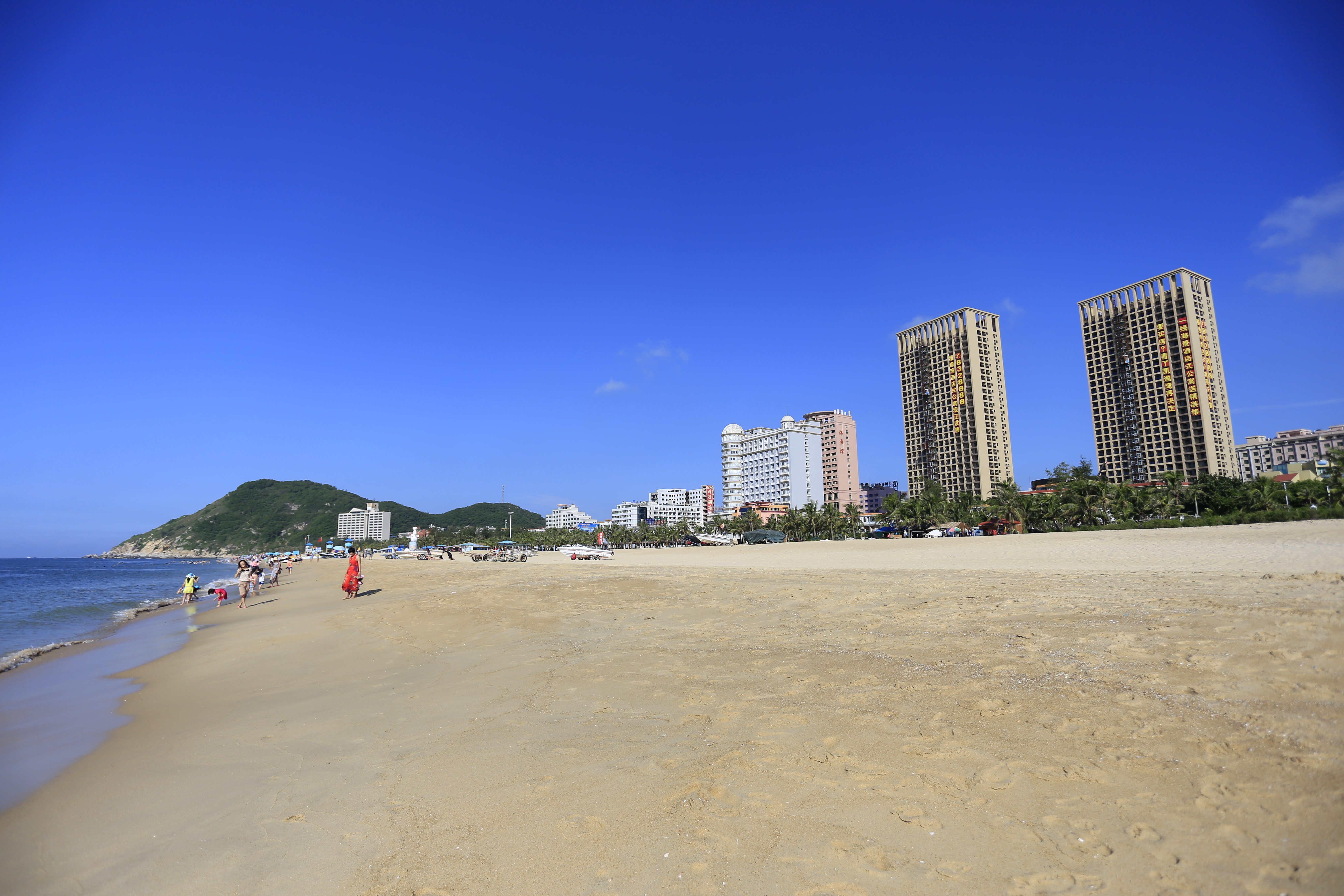
Summers are brutally hot and wet — 2,221mm of annual rainfall means months of genuine downpour, and July humidity is oppressive. Winters are mild and pleasant, which is the city's best season. Hailing Island and Zhapo Beach are legitimately good coastal escapes on weekends, and seafood here is fresh and inexpensive. The Yangjiang Group artist collective gives the city a small creative undercurrent, but the expat community is effectively nonexistent — you will not find a social scene built around foreign residents. This city suits someone already fluent in Mandarin who wants ultra-low costs and doesn't need an expat support network.
🏚️ Cost of Living
💰 Budgets and Costs
Grocery Basket
Eating Out
Utilities & Lifestyle
Housing
A 1BR in the center runs about $300/mo. If your income is in another currency, bank FX fees add up. A multi-currency account can cut that cost.
See low-fee transfersWe may earn a commission at no cost to you.
💰 Real Spend Reports
🛡️ Safety & Crime
(Higher is safer)
(Lower is safer)
Yangjiang is a relatively safe city for expats, with low violent crime and a strong police presence typical of Chinese cities. Petty theft and scams targeting foreigners exist but are uncommon; remain cautious with valuables in crowded areas and be skeptical of unsolicited financial schemes. The main risks are bureaucratic friction (visa issues, residency complications) and limited English support outside tourist zones. As a smaller, less cosmopolitan city than Shanghai or Beijing, expat communities are smaller, which can mean fewer support networks but also less targeting of foreigners. Overall, it's a stable choice for remote workers or retirees seeking a quieter Chinese experience.
🏥 Healthcare
🌤️ Climate
Best Months
Climate Notes
Yangjiang has a subtropical climate with hot, humid summers (May-September) and mild, dry winters (November-February), typical of coastal Guangdong province.
💻 Digital Nomad
Community Notes
| Name | Price/mo | Notes |
|---|---|---|
| Regus Yangjiang | $150 | Regus offers a reliable and professional coworking environment in Yangjiang. It's a good option for those seeking a standard office setup with business support services, likely located in the main business district. |
| 创富港 (Yangjiang Branch) | $100 | Chuang Fu Gang is a popular coworking chain in China, offering affordable options for startups and freelancers. Expect a vibrant atmosphere and basic amenities, potentially located near the city center. |
Working remotely from Yangjiang? Nomad health insurance covers you across borders, month to month.
See nomad insuranceWe may earn a commission at no cost to you.
🧳 Expat Life
Expat Life Notes
Yangjiang is a coastal city in Guangdong famous for knife manufacturing and its nearby beaches. It has a small, niche expat community related to trade and tourism.
Pros
- ✓ Beach access (Hailing Island)
- ✓ Fresh seafood
- ✓ Warmer climate
Cons
- ✗ Humidity
- ✗ Typhoon risk
- ✗ Limited English prevalence
🛂 Visa Options for China
Many long-stay visas require proof of health insurance. Compare international health plans before you apply.
Compare health insuranceWe may earn a commission at no cost to you.
Not sure which China visa you qualify for?
Answer 10 questions and get a personalized match in under 2 minutes.
Could living/working in Yangjiang cut years off your work life?
With a 1-bedroom in the center at $300/mo, your FIRE number here might be much lower than you think.
Moving to Yangjiang? Estimate what an international move would cost and compare mover quotes.
Estimate my move costShare This Guide
Yangjiang won't stay this cheap forever.
Cost-of-living and visa updates for Yangjiang and the rest of China. Free with RA Postcards.
By submitting your email address, you will receive a free subscription to RA Postcards and special offers from Rewire Abroad and our affiliates. You can unsubscribe at any time, and we encourage you to read more about our Privacy Policy.