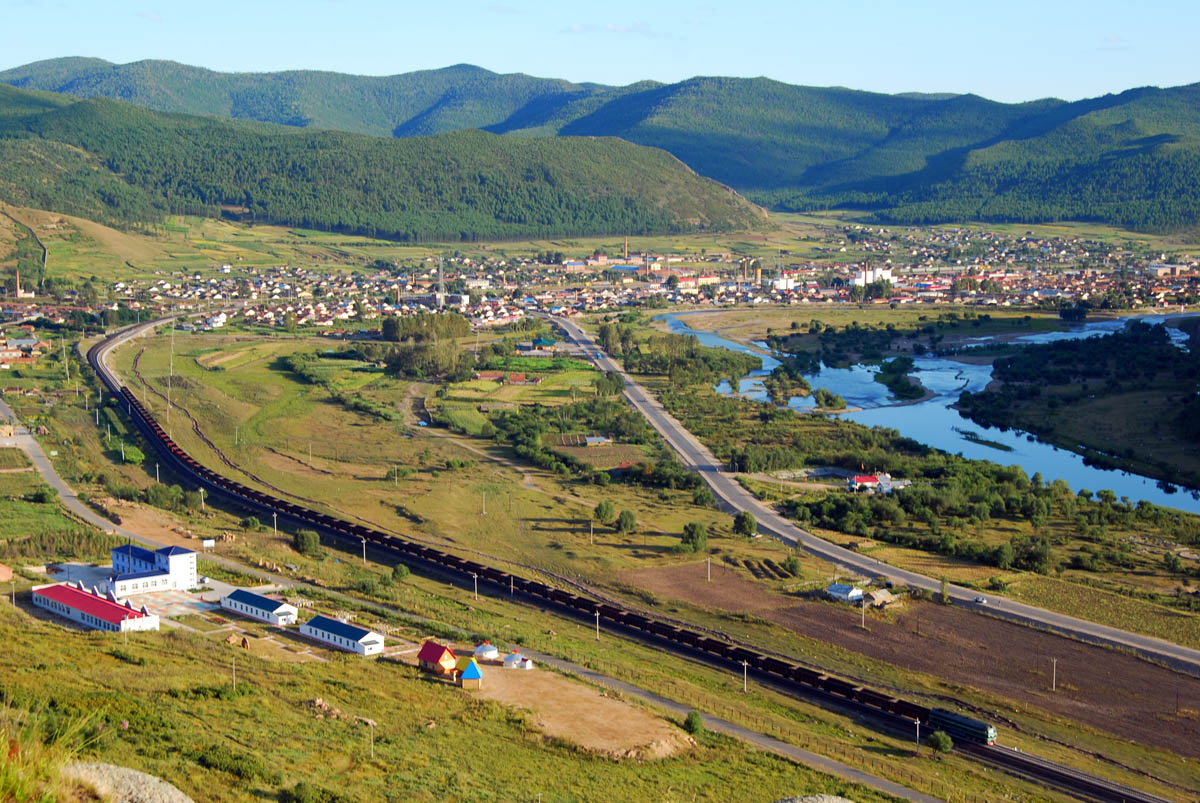
Yakeshi, China
Data updated Sep 29, 2026
📊 Scores
Best fit: Retiree (score: 52)
Traditional industries dominate here — forestry, mining (gold, coal, iron, copper), and agriculture drive most employment alongside dairy operations and sheep raising. The real economic shift came in 2008 when international automakers like Robert Bosch established winter testing facilities, capitalizing on the brutal subarctic climate for electronic stability control development. Local jobs center around these testing operations, traditional Chinese medicine production, and resource extraction, though opportunities for foreign professionals remain limited outside automotive engineering roles.
Rent runs roughly ¥800-1,500 monthly for decent apartments, but heating costs spike dramatically during the 6-month winter when temperatures plummet below -30°C. Healthcare access is basic — you'll need to travel to Harbin for serious medical issues. The language barrier is significant with minimal English spoken outside automotive facilities. Getting around relies on the Harbin-Manzhouli Railway or driving to Hailar District for flights, making this genuinely isolated. Bureaucracy follows standard Chinese complexity, compounded by Inner Mongolia's additional administrative layers.
Winters are punishingly cold but create unique opportunities — frozen lake activities and aurora viewing when conditions align. Food leans heavily toward Inner Mongolian cuisine with excellent mutton and dairy products, plus standard Chinese options. The expat community is tiny, mostly automotive engineers on temporary assignments. Weekend activities revolve around winter sports, hot springs, or simply surviving the cold indoors. This suits hardy individuals seeking authentic Chinese frontier life or automotive professionals on specialized contracts.
🏚️ Cost of Living
A 1BR in the center runs about $252.8/mo. If your income is in another currency, bank FX fees add up. A multi-currency account can cut that cost.
See low-fee transfersWe may earn a commission at no cost to you.
💰 Real Spend Reports
🛡️ Safety & Crime
(Higher is safer)
(Lower is safer)
Yakeshi is a relatively safe city for expats, with low violent crime and a strong police presence typical of Chinese municipalities. Petty theft and scams targeting foreigners are the primary concerns—remain vigilant with valuables in crowded areas and be cautious of overly friendly strangers offering deals. As a smaller inland city, it lacks the cosmopolitan infrastructure of major expat hubs, which can complicate emergencies or accessing English-speaking medical care. The main risk is isolation rather than danger; expats should verify reliable internet, healthcare access, and community support before committing to relocation here.
Yakeshi has a safety index of 62/100. Petty theft and lost belongings are the most common problems for newcomers. Compare travel insurance before you go.
Compare travel insuranceWe may earn a commission at no cost to you.
🏥 Healthcare
🌤️ Climate
Best Months
Climate Notes
Yakeshi has a subarctic climate with extremely cold, long winters (November–March) dropping below -20°C and brief, mild summers, making it suitable only for those prepared for harsh continental conditions.
💻 Digital Nomad
Community Notes
| Name | Price/mo | Notes |
|---|---|---|
| Regus Yakeshi | $150 | Regus offers a reliable, professional environment in Yakeshi. While specific location details within Yakeshi are limited online, Regus generally provides standard amenities like high-speed internet, meeting rooms, and administrative support, making it suitable for expats needing a dependable workspace. |
| Ucommune (Likely a Partner Location) | $120 | While direct Ucommune locations in Yakeshi are difficult to verify, Ucommune often partners with local spaces. If a partner location exists, it would offer a more modern, tech-focused vibe, potentially attracting a younger crowd. Check local listings for 'Ucommune partner' or similar phrasing. |
Working remotely from Yakeshi? Nomad health insurance covers you across borders, month to month.
See nomad insuranceWe may earn a commission at no cost to you.
🧳 Expat Life
Expat Life Notes
Yakeshi in Inner Mongolia is the center of the forestry industry and is known as the cold pole of China. Expat presence is negligible.
Pros
- ✓ Beautiful forests and snow
- ✓ Safe and quiet
Cons
- ✗ Extremely cold winters (-40C)
- ✗ Remote
- ✗ Lack of international amenities
🛂 Visa Options for China
Many long-stay visas require proof of health insurance. Compare international health plans before you apply.
Compare health insuranceWe may earn a commission at no cost to you.
Not sure which China visa you qualify for?
Answer 10 questions and get a personalized match in under 2 minutes.
Could living/working in Yakeshi cut years off your work life?
With a 1-bedroom in the center at $202/mo, your FIRE number here might be much lower than you think.
Estimate the cost of moving to Yakeshi, China
Get a free moving cost estimate for moving to Yakeshi, China. Takes 10 seconds.
How much are you shipping?
When are you moving?
Powered by Sirelo. Free quotes from verified international movers.
Share This Guide
Yakeshi won't stay this cheap forever.
Cost-of-living and visa updates for Yakeshi and the rest of China. Free with RA Postcards.
By submitting your email address, you will receive a free subscription to RA Postcards and special offers from Rewire Abroad and our affiliates. You can unsubscribe at any time, and we encourage you to read more about our Privacy Policy.