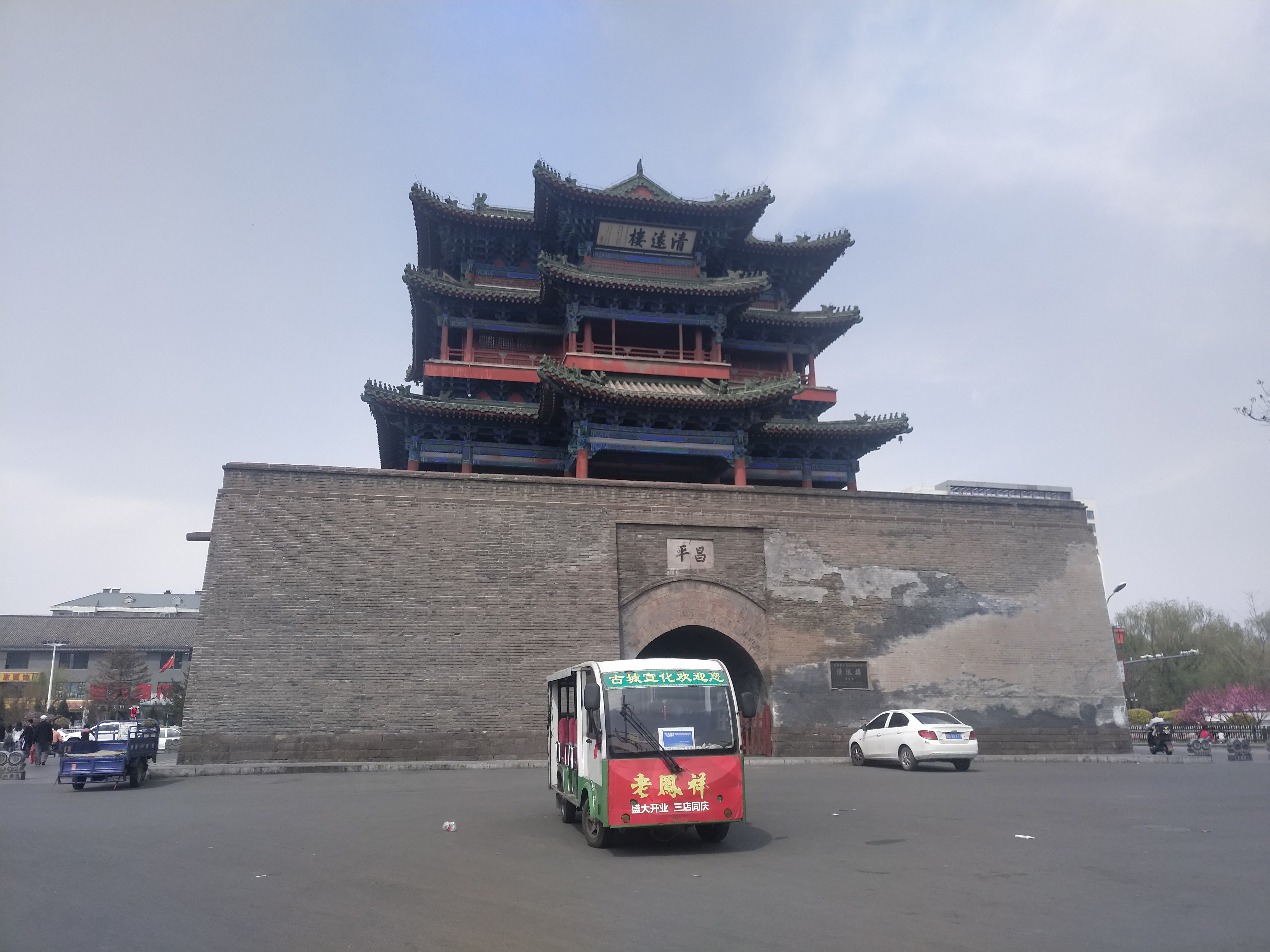
Xuanhua, China
Data updated Sep 3, 2026
📊 Scores
Best fit: FIRE / Geoarbitrage (score: 86)
Steel, chemicals, and heavy machinery dominate the economy here — Xuanhua built its modern identity around metallurgy and mineral extraction, sitting atop significant deposits of coal, iron, and one of China's largest bentonite reserves. A provincial high-tech development zone signals government ambition to diversify, but in practice most employment runs through industrial state-owned enterprises and their supply chains. Agriculture, particularly grape cultivation, adds a secondary layer — the district has genuine regional recognition as a grape producer, with wineries and fresh-market sales peaking in autumn. Remote workers and digital nomads have essentially no foothold here.
Rent is genuinely cheap: a decent two-bedroom apartment runs roughly ¥1,000–1,500/month ($140–210 USD), and daily food costs are low if you eat local. The city sits 180 km northwest of Beijing with rail connections, so the capital is reachable in under two hours — useful for consular visits or international flights. Healthcare is functional at the district level but serious conditions will send you to Beijing or Shijiazhuang. The language barrier is real and unforgiving: English is essentially absent outside any context, and navigating bureaucracy — residency registration, utility setup, visa renewals — requires either fluent Mandarin or a patient local contact.
Winters are cold and dry, regularly dropping below -15°C, and summers are warm but short. The Ming Dynasty city walls and the Liao-era tomb with its 268-star celestial atlas give weekends some genuine historical texture, and the grape harvest in September is a legitimate local event worth experiencing. The expat community is effectively nonexistent — you will not find international social infrastructure, English-language meetups, or foreign-friendly bars. Food is northern Chinese: lamb, noodles, vinegar-heavy dishes, and local Bell-tower Beer. This city suits someone already fluent in Mandarin, embedded in Chinese industry, or deliberately seeking deep immersion with minimal Western comfort infrastructure.
🏚️ Cost of Living
💰 Budgets and Costs
Grocery Basket
Eating Out
Utilities & Lifestyle
Housing
A 1BR in the center runs about $250/mo. If your income is in another currency, bank FX fees add up. A multi-currency account can cut that cost.
See low-fee transfersWe may earn a commission at no cost to you.
💰 Real Spend Reports
🛡️ Safety & Crime
(Higher is safer)
(Lower is safer)
Xuanhua is a relatively safe city for expats, with low violent crime and a strong police presence typical of Chinese urban areas. Petty theft and scams targeting foreigners are the primary concerns—remain vigilant with valuables on public transport and be cautious of overly friendly strangers offering deals. Avoid displaying expensive electronics or jewelry. As a smaller prefecture-level city, Xuanhua lacks the expat infrastructure of major hubs like Beijing or Shanghai, which can complicate emergency response or legal recourse. The main risk is isolation rather than crime; this is a practical choice for those comfortable with limited English services and fewer Western amenities.
🏥 Healthcare
🌤️ Climate
Best Months
Climate Notes
Xuanhua has a temperate continental climate with cold, dry winters (December–February) and warm, humid summers (June–August), featuring distinct seasonal changes and moderate air quality concerns.
💻 Digital Nomad
Community Notes
| Name | Price/mo | Notes |
|---|---|---|
| Regus Zhangjiakou Xuanhua | $150 | Regus offers a reliable, professional environment in Xuanhua. It's a good option for those needing a standard office setup with business services in a central location. |
| Ucommune (Likely in nearby Zhangjiakou) | $120 | While a direct Xuanhua location is unconfirmed, Ucommune is a major Chinese coworking brand and may have a presence in nearby Zhangjiakou. It's worth investigating for a modern, community-focused workspace if accessible. |
Working remotely from Xuanhua? Nomad health insurance covers you across borders, month to month.
See nomad insuranceWe may earn a commission at no cost to you.
🧳 Expat Life
🛂 Visa Options for China
Many long-stay visas require proof of health insurance. Compare international health plans before you apply.
Compare health insuranceWe may earn a commission at no cost to you.
Not sure which China visa you qualify for?
Answer 10 questions and get a personalized match in under 2 minutes.
Could living/working in Xuanhua cut years off your work life?
With a 1-bedroom in the center at $250/mo, your FIRE number here might be much lower than you think.
Moving to Xuanhua? Estimate what an international move would cost and compare mover quotes.
Estimate my move costShare This Guide
Xuanhua won't stay this cheap forever.
Cost-of-living and visa updates for Xuanhua and the rest of China. Free with RA Postcards.
By submitting your email address, you will receive a free subscription to RA Postcards and special offers from Rewire Abroad and our affiliates. You can unsubscribe at any time, and we encourage you to read more about our Privacy Policy.