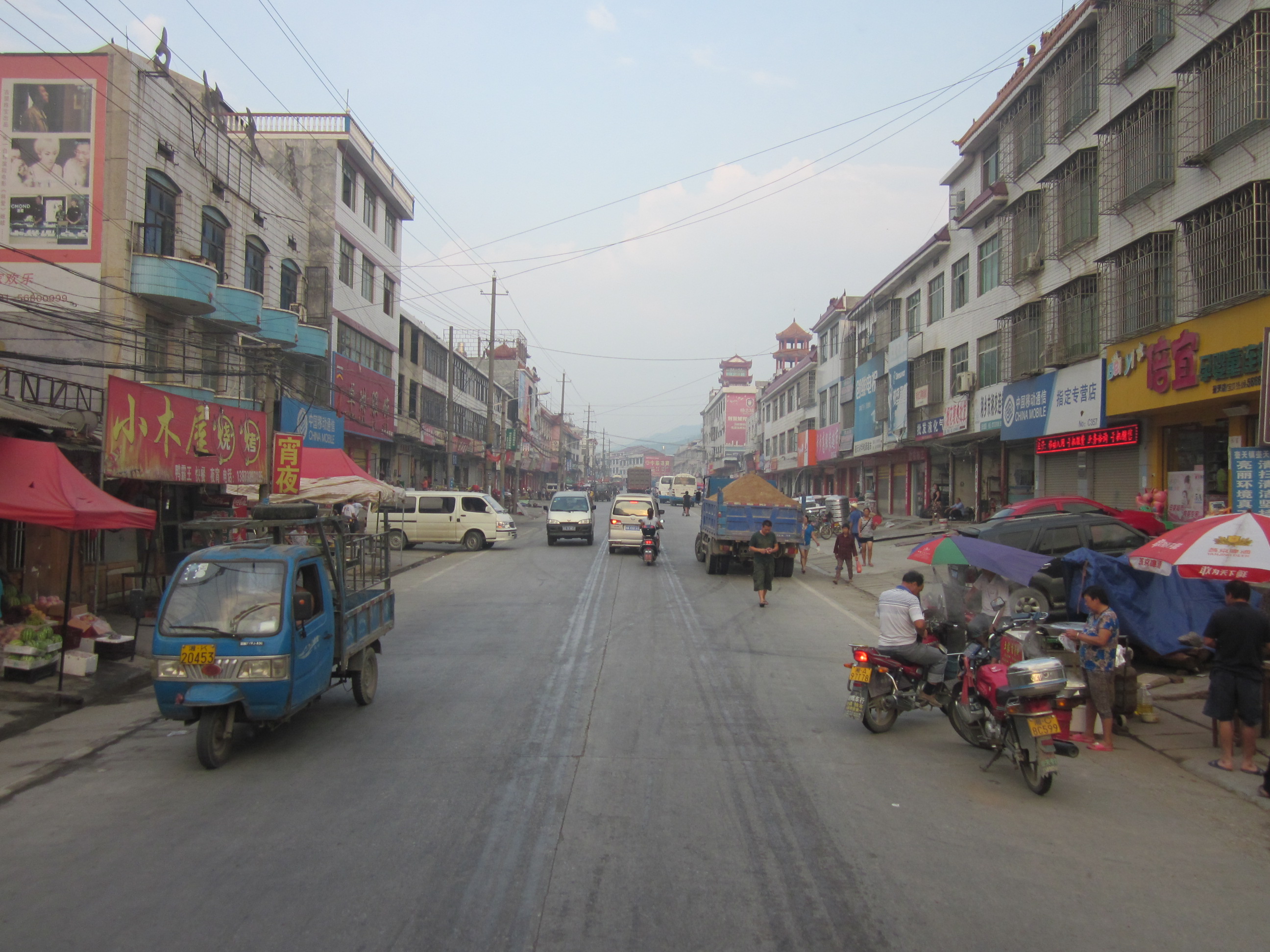
Xiangxiang, China
Data updated Sep 3, 2026
📊 Scores
Manufacturing is the backbone here — textiles, machinery, chemicals, electronics, and food processing collectively employ the majority of Xiangxiang's 730,000 residents. Major industrial zones anchor the local economy, and job opportunities for foreigners are essentially nonexistent in these sectors without Mandarin fluency and specialized technical credentials. The small cultural heritage tourism industry draws domestic visitors interested in revolutionary history, but it won't sustain a freelance income. Remote workers and FIRE retirees are the only realistic expat profiles; anyone expecting a local job market is looking at the wrong city.
Housing is genuinely cheap — expect to pay roughly ¥1,500–2,500 ($210–$350 USD) per month for a decent apartment, and street food meals run ¥10–20. Public transit connects subdistricts and links to Xiangtan and Changsha by rail, which is functional if slow. Healthcare is available at local hospitals, but English-speaking doctors are essentially absent — plan on using translation apps or traveling 60km to Changsha for anything serious. Bureaucracy for foreign residents registration is real friction: expect multiple trips to the Public Security Bureau and forms entirely in Chinese.
Summers are hot and humid, pushing 29°C with heavy rainfall from April through July — not miserable, but not comfortable either. Winters are damp and grey, hovering around 4°C with no central heating in most residential buildings, which locals manage with electric blankets and portable heaters. Food is classic Hunan — genuinely spicy, cheap, and good. There is no meaningful expat community here; you will likely be the only foreigner in most rooms. Weekends mean local parks, mahjong halls, and day trips to Changsha. This city suits a Mandarin-speaking FIRE retiree or long-term China hand who wants low costs and zero tourist infrastructure.
🏚️ Cost of Living
💰 Budgets and Costs
Grocery Basket
Eating Out
Utilities & Lifestyle
Housing
A 1BR in the center runs about $250/mo. If your income is in another currency, bank FX fees add up. A multi-currency account can cut that cost.
See low-fee transfersWe may earn a commission at no cost to you.
💰 Real Spend Reports
🛡️ Safety & Crime
(Higher is safer)
(Lower is safer)
Xiangxiang is a relatively safe mid-sized Chinese city with low violent crime rates typical of inland Hunan province. Petty theft and scams targeting foreigners exist but are uncommon; main concerns include traffic safety, counterfeit goods, and occasional police harassment of expats. Avoid displaying wealth, stay aware in crowded markets, and keep copies of important documents separate. The city lacks the cosmopolitan infrastructure of tier-1 cities, which can complicate expat life but also means fewer organized crime networks. Overall a reasonable choice for safety-conscious expats seeking authentic China, though language barriers and limited expat community support require self-sufficiency.
Xiangxiang has a safety index of 60/100. Petty theft and lost belongings are the most common problems for newcomers. Compare travel insurance before you go.
Compare travel insuranceWe may earn a commission at no cost to you.
🏥 Healthcare
🌤️ Climate
Best Months
Climate Notes
Xiangxiang has a humid subtropical climate with hot, wet summers (June-August, 38°C peaks) and mild winters (December-February, -4°C lows), requiring adaptation to high humidity year-round and seasonal temperature swings.
💻 Digital Nomad
Community Notes
| Name | Price/mo | Notes |
|---|---|---|
| Regus Hengyang Wanda Center | $150 | While technically in Hengyang (close to Xiangxiang), Regus offers a reliable coworking option with standard amenities. It's located in the Wanda Center, providing easy access to shopping and dining, making it suitable for expats seeking a familiar and convenient workspace. |
| Ucommune (Changsha Branch - closest major city) | $120 | Ucommune is a popular coworking chain in China. While not directly in Xiangxiang, the Changsha branch is the closest major city option. It offers a modern workspace with networking opportunities, suitable for those willing to commute or travel occasionally. |
Working remotely from Xiangxiang? Nomad health insurance covers you across borders, month to month.
See nomad insuranceWe may earn a commission at no cost to you.
🧳 Expat Life
🛂 Visa Options for China
Many long-stay visas require proof of health insurance. Compare international health plans before you apply.
Compare health insuranceWe may earn a commission at no cost to you.
Not sure which China visa you qualify for?
Answer 10 questions and get a personalized match in under 2 minutes.
Could living/working in Xiangxiang cut years off your work life?
With a 1-bedroom in the center at $250/mo, your FIRE number here might be much lower than you think.
Moving to Xiangxiang? Estimate what an international move would cost and compare mover quotes.
Estimate my move costShare This Guide
Xiangxiang won't stay this cheap forever.
Cost-of-living and visa updates for Xiangxiang and the rest of China. Free with RA Postcards.
By submitting your email address, you will receive a free subscription to RA Postcards and special offers from Rewire Abroad and our affiliates. You can unsubscribe at any time, and we encourage you to read more about our Privacy Policy.