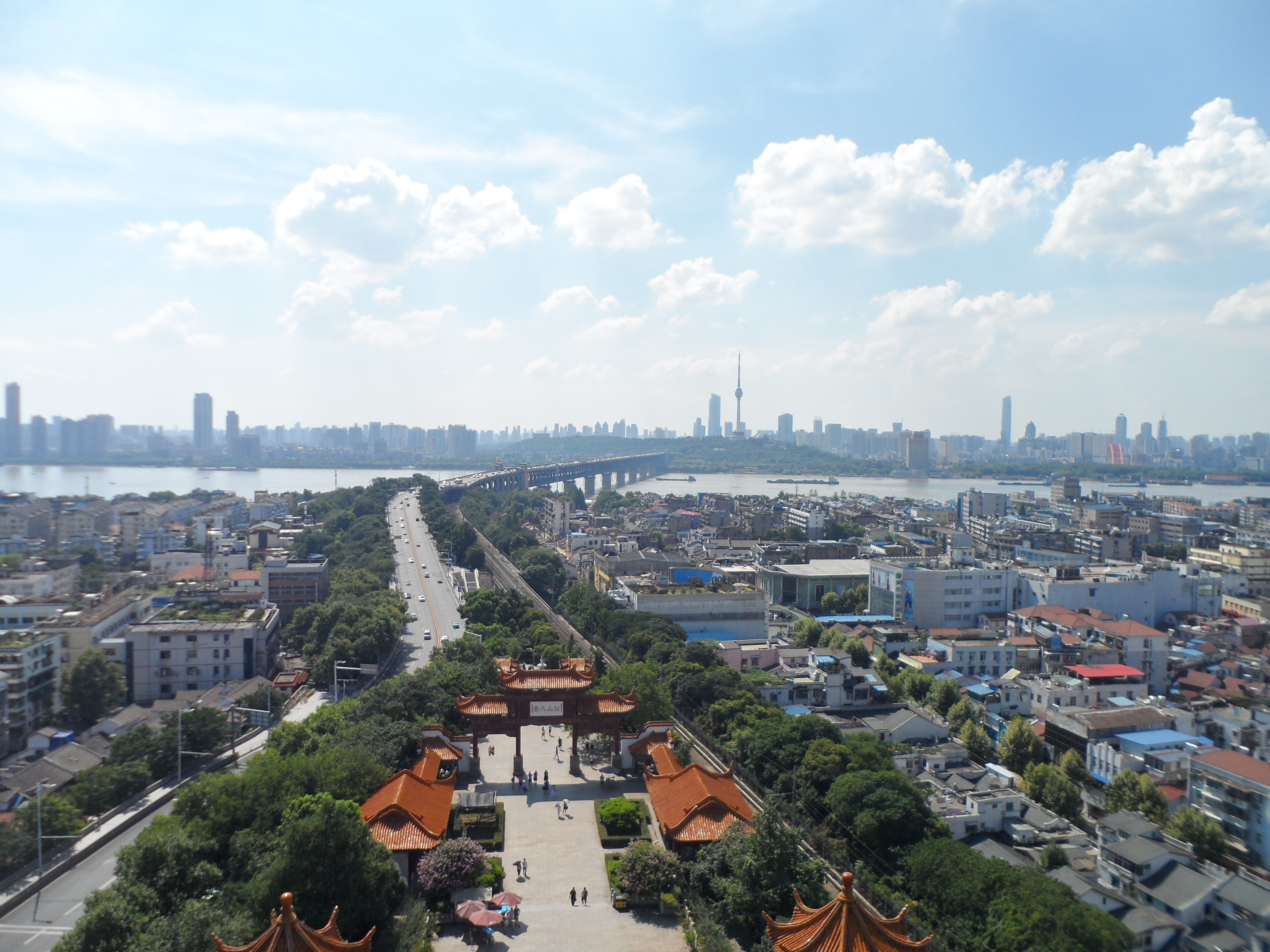
Wuhan, China
Data updated Sep 29, 2026
📊 Scores
Best fit: FIRE / Geoarbitrage (score: 90)
Central China's economic engine runs on automotive manufacturing, advanced tech, and financial services — and Wuhan is serious about all three. Dongfeng Motor Corporation anchors the industrial base, while 230 Fortune 500 companies have planted operations here alongside 1,656 high-tech enterprises and over 350 research institutes. For expats, the realistic opportunities are in education (English teaching pays roughly $1,500–$2,500/month), engineering, and multinational corporate roles. Remote workers benefit from the cost structure, but the job market for non-Mandarin speakers outside of teaching is genuinely thin.
A one-bedroom in the city center averages a remarkable $218/month — one of the lowest figures for any major Chinese metro. Transport is extensive and cheap, with metro, bus, and river connections covering most of the city. Healthcare at international clinics exists but is limited compared to Beijing or Shanghai; serious medical needs may require travel. The language barrier is real and persistent — English proficiency outside universities and multinationals is low. Bureaucracy around visas, residence permits, and banking as a foreigner is slow and document-heavy; budget time and patience.
Summers are brutally hot and humid — Wuhan is one of China's 'Three Furnaces,' regularly hitting 38°C with suffocating humidity from June through August. Winters are mild but damp and grey. The food scene is genuinely strong: hot dry noodles, duck neck, and spicy Hubei cuisine are cheap and everywhere. The expat community is small compared to tier-one cities — you'll find clusters around the universities and a handful of international bars, but don't expect a large ready-made social network. This city suits cost-conscious remote workers or academics who want serious China immersion without Shanghai prices or crowds.
🏚️ Cost of Living
💰 Budgets and Costs
Grocery Basket
Eating Out
Utilities & Lifestyle
Housing
A 1BR in the center runs about $218.33/mo. If your income is in another currency, bank FX fees add up. A multi-currency account can cut that cost.
See low-fee transfersWe may earn a commission at no cost to you.
💰 Real Spend Reports
🛡️ Safety & Crime
(Higher is safer)
(Lower is safer)
Wuhan is genuinely safe for expats, with low violent crime and strong police presence. Petty theft and pickpocketing occur in crowded transit areas and markets, but serious crime targeting foreigners is rare. Avoid displaying expensive items and use registered taxis or apps like Didi. The main concerns are traffic safety (chaotic driving patterns) and air quality rather than crime. Political sensitivity around sensitive topics exists, but expats living quietly face no issues. Overall, this is a comfortable choice for remote workers and retirees seeking an affordable, modern Chinese city.
🏥 Healthcare
🌤️ Climate
Best Months
Climate Notes
Wuhan has a humid subtropical climate with hot, muggy summers (June-August, 36°C+), cold winters (December-February, around -5°C), and mild spring/autumn transitions; expect significant rainfall year-round and high humidity (73% average).
💻 Digital Nomad
Community Notes
| Name | Price/mo | Notes |
|---|---|---|
| WeWork Wuhan World Trade Center | $250 | Located in the central business district, this WeWork offers a reliable and familiar coworking experience for expats. It provides standard amenities like high-speed internet, meeting rooms, and a supportive community, making it easy to settle in and work. |
| MyDreamPlus (Wuhan Optics Valley) | $180 | MyDreamPlus offers a modern and stylish workspace in the Optics Valley area, known for its tech companies and universities. It's a good option for those seeking a more local coworking experience with a focus on innovation and collaboration. |
| ATLAS Workplace (Wuhan) | $220 | ATLAS Workplace provides premium coworking spaces with a focus on design and hospitality. While specific Wuhan locations require direct inquiry, ATLAS is known for its high-quality amenities and convenient locations in major business districts, appealing to professionals seeking a sophisticated work environment. |
| Ucommune (Wuhan) | $150 | Ucommune is a large coworking network in China with locations in Wuhan. It offers a range of workspace options, from hot desks to private offices, and is known for its community events and networking opportunities, making it a good choice for those looking to connect with local entrepreneurs. |
Working remotely from Wuhan? Nomad health insurance covers you across borders, month to month.
See nomad insuranceWe may earn a commission at no cost to you.
🧳 Expat Life
Expat Life Notes
A massive hub in central China. It has a very large international student and professional community, particularly in the tech sector.
Pros
- ✓ Major transportation hub
- ✓ Strong academic and tech scene
- ✓ Low cost of living for a Tier 1.5 city
Cons
- ✗ Humid and hot climate
- ✗ Construction chaos
- ✗ Air quality can be poor
🛂 Visa Options for China
Many long-stay visas require proof of health insurance. Compare international health plans before you apply.
Compare health insuranceWe may earn a commission at no cost to you.
Not sure which China visa you qualify for?
Answer 10 questions and get a personalized match in under 2 minutes.
Could living/working in Wuhan cut years off your work life?
With a 1-bedroom in the center at $218/mo, your FIRE number here might be much lower than you think.
Moving to Wuhan? Estimate what an international move would cost and compare mover quotes.
Estimate my move costShare This Guide
Wuhan won't stay this cheap forever.
Cost-of-living and visa updates for Wuhan and the rest of China. Free with RA Postcards.
By submitting your email address, you will receive a free subscription to RA Postcards and special offers from Rewire Abroad and our affiliates. You can unsubscribe at any time, and we encourage you to read more about our Privacy Policy.