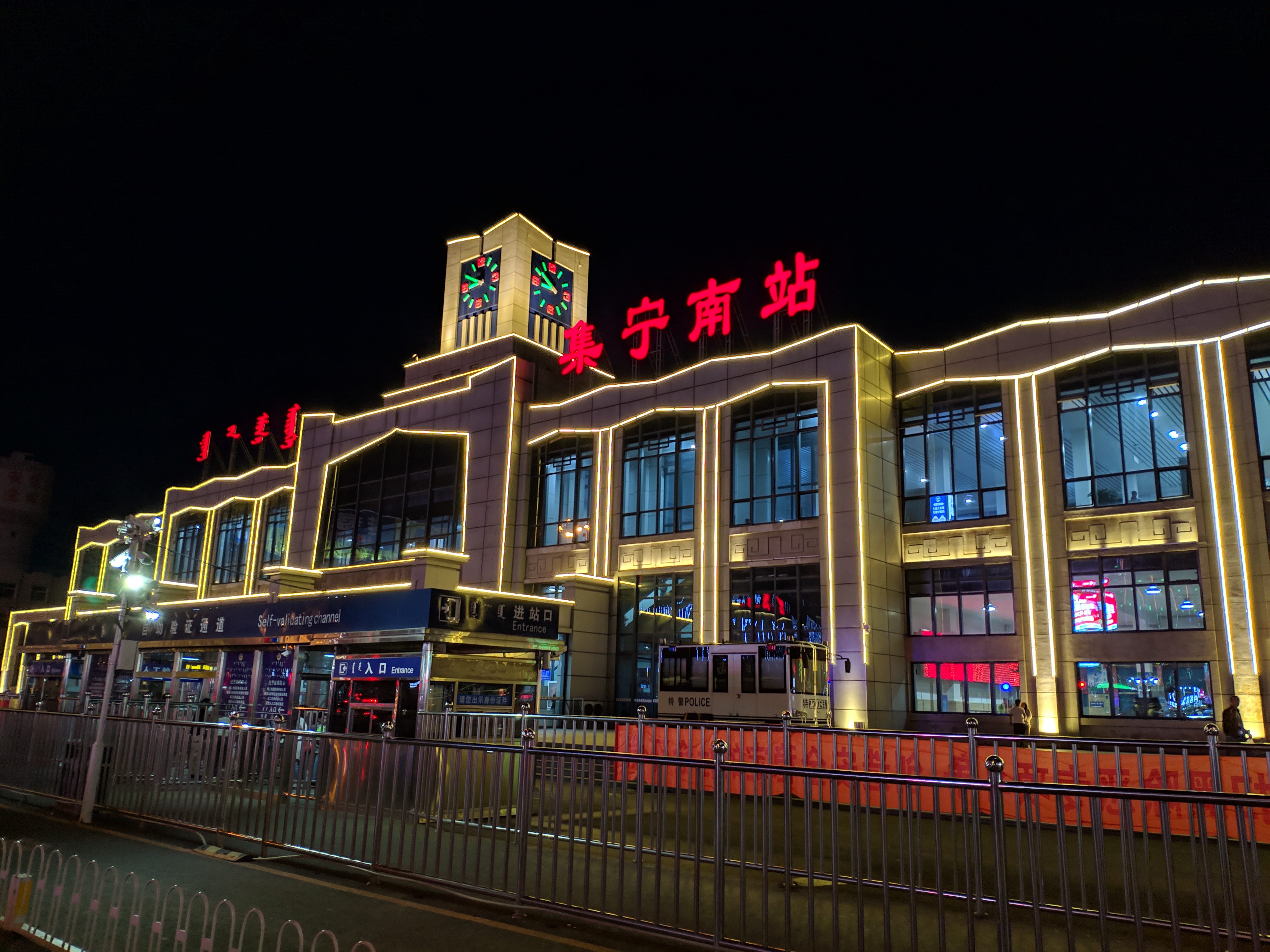
Ulanqab, China
Data updated Sep 3, 2026
📊 Scores
Agriculture, logistics, and energy extraction drive most of the money in Ulanqab. The region produces potatoes, sunflowers, and oats at scale, and its position as a rail and road junction — three major railways converge here, including the Beijing-Baotou line — makes freight and transport logistics a genuine employer. Coal and wind energy projects have drawn some state-owned enterprise investment. For foreign workers, the job market is essentially nonexistent outside of English teaching, and even that is thin. This is not a city where remote workers relocate by choice.
Rent is genuinely cheap — a decent two-bedroom apartment in Jining District runs roughly ¥1,200–1,800/month ($165–250 USD), and daily food costs are low if you eat local. Healthcare is functional but limited; serious conditions mean a trip to Hohhot or Beijing. Mandarin is non-negotiable here — English is almost nowhere, and even basic transactions require either the language or a translation app. Bureaucracy for foreign residents follows standard Chinese visa and registration rules, which means regular paperwork and limited flexibility. The population has dropped by over 400,000 since 2010, which tells you something.
Winters are long, cold, and dry — temperatures regularly hit -20°C, and spring sandstorms are a real seasonal feature, not a minor inconvenience. Summers are short but genuinely pleasant, with warm days and low humidity. Local food leans heavily on lamb, dairy, and starchy staples — Inner Mongolian cuisine is hearty and consistent. There is no meaningful expat community here; you will likely be one of very few foreigners in the city. Weekends mean hotpot, local markets, and grassland day trips if you have a car. This city suits someone already embedded in a Chinese work or research context who needs a low-cost, low-distraction base.
🏚️ Cost of Living
💰 Budgets and Costs
Grocery Basket
Eating Out
Utilities & Lifestyle
Housing
A 1BR in the center runs about $250/mo. If your income is in another currency, bank FX fees add up. A multi-currency account can cut that cost.
See low-fee transfersWe may earn a commission at no cost to you.
💰 Real Spend Reports
🛡️ Safety & Crime
(Higher is safer)
(Lower is safer)
Ulanqab is a relatively safe inland Chinese city with low violent crime rates typical of China's interior regions. Petty theft and scams targeting foreigners exist but are uncommon. Main concerns include traffic safety (chaotic driving patterns), air quality during winter months, and limited English support in emergencies. Avoid displaying wealth openly and stay aware in crowded markets. The city's remote location means fewer expat communities and services; this isolation is the primary lifestyle challenge rather than a security issue. Overall, it's safer than most American cities, though less convenient than coastal Chinese metros.
Ulanqab has a safety index of 60/100. Petty theft and lost belongings are the most common problems for newcomers. Compare travel insurance before you go.
Compare travel insuranceWe may earn a commission at no cost to you.
🏥 Healthcare
🌤️ Climate
Best Months
Climate Notes
Ulanqab has a continental climate with cold, dry winters (December–February) dropping to -10°C and mild summers around 21°C, with significant dust storms in spring.
💻 Digital Nomad
Community Notes
| Name | Price/mo | Notes |
|---|---|---|
| Ulanqab Zhongyi Innovation Center | $60 | Located in the Jining District, this center offers a modern workspace with basic amenities. It's a good option for budget-conscious digital nomads looking for a functional space to work. |
| Ulanqab E-Commerce Industrial Park | $50 | While primarily an industrial park, it offers shared office spaces suitable for remote workers. Located in the city center, it provides a convenient and affordable option. |
Working remotely from Ulanqab? Nomad health insurance covers you across borders, month to month.
See nomad insuranceWe may earn a commission at no cost to you.
🧳 Expat Life
Expat Life Notes
Ulanqab in Inner Mongolia is a transport hub with a harsh climate and a very localized economy.
Pros
- ✓ Vast landscape
- ✓ Cheap living
Cons
- ✗ Severe winters
- ✗ Isolated
- ✗ Limited English speakers
🛂 Visa Options for China
Many long-stay visas require proof of health insurance. Compare international health plans before you apply.
Compare health insuranceWe may earn a commission at no cost to you.
Not sure which China visa you qualify for?
Answer 10 questions and get a personalized match in under 2 minutes.
Could living/working in Ulanqab cut years off your work life?
With a 1-bedroom in the center at $250/mo, your FIRE number here might be much lower than you think.
Moving to Ulanqab? Estimate what an international move would cost and compare mover quotes.
Estimate my move costShare This Guide
Ulanqab won't stay this cheap forever.
Cost-of-living and visa updates for Ulanqab and the rest of China. Free with RA Postcards.
By submitting your email address, you will receive a free subscription to RA Postcards and special offers from Rewire Abroad and our affiliates. You can unsubscribe at any time, and we encourage you to read more about our Privacy Policy.